
Last updated November 15, 2026
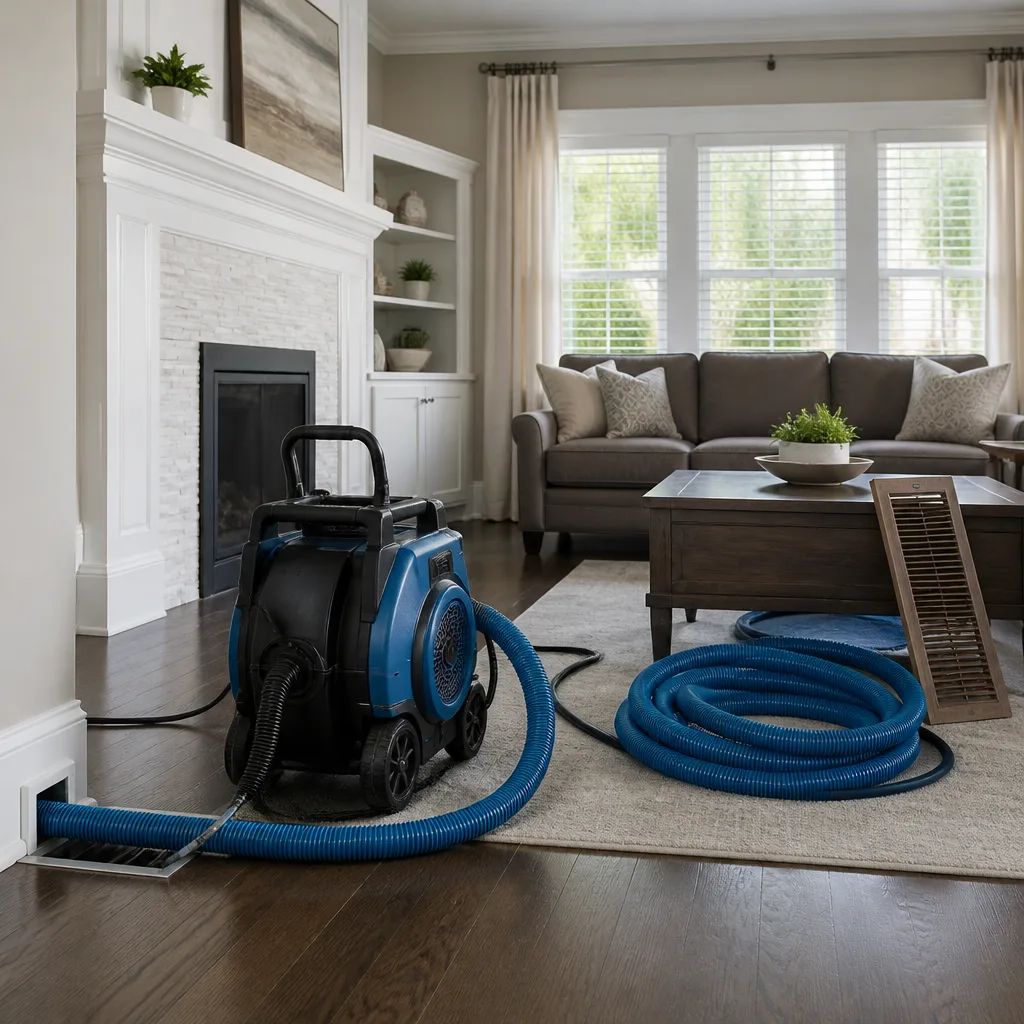 Whole-home duct cleaning
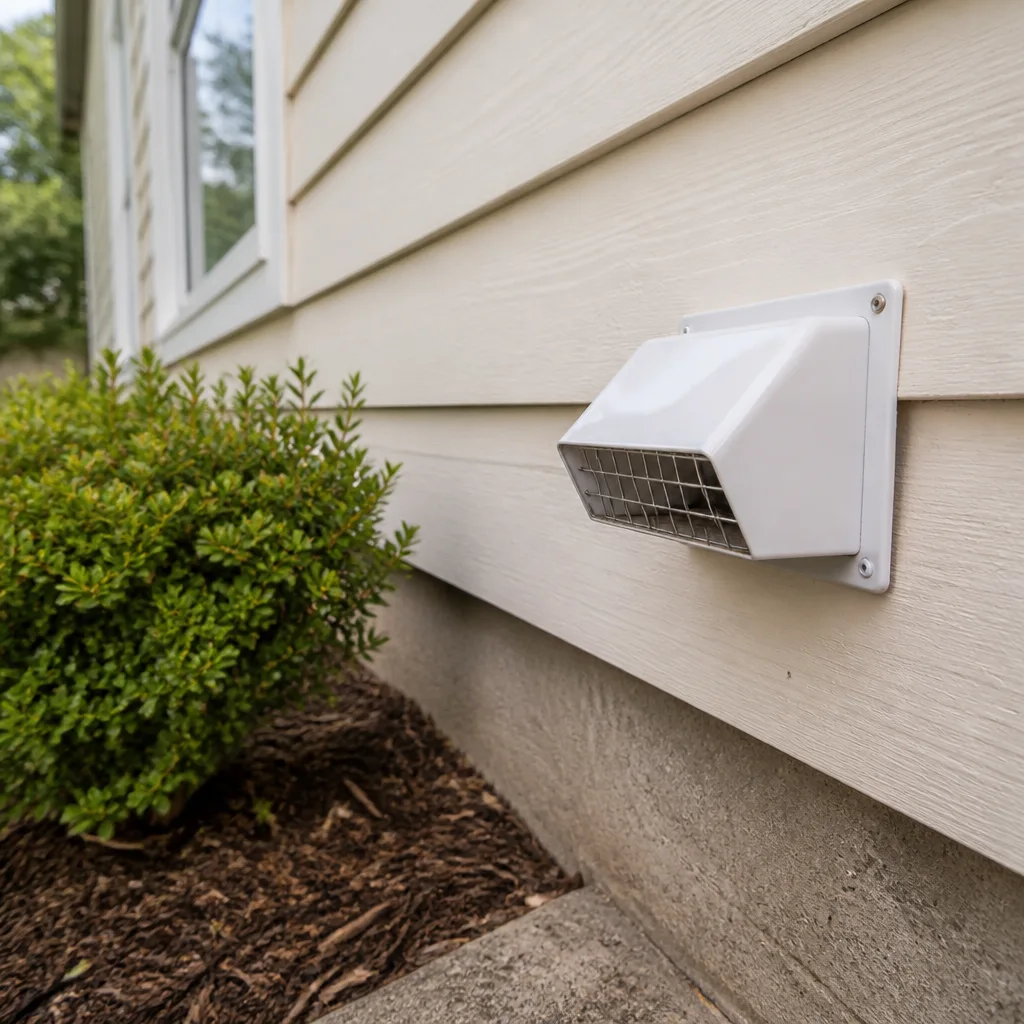 Dryer vent cleaning
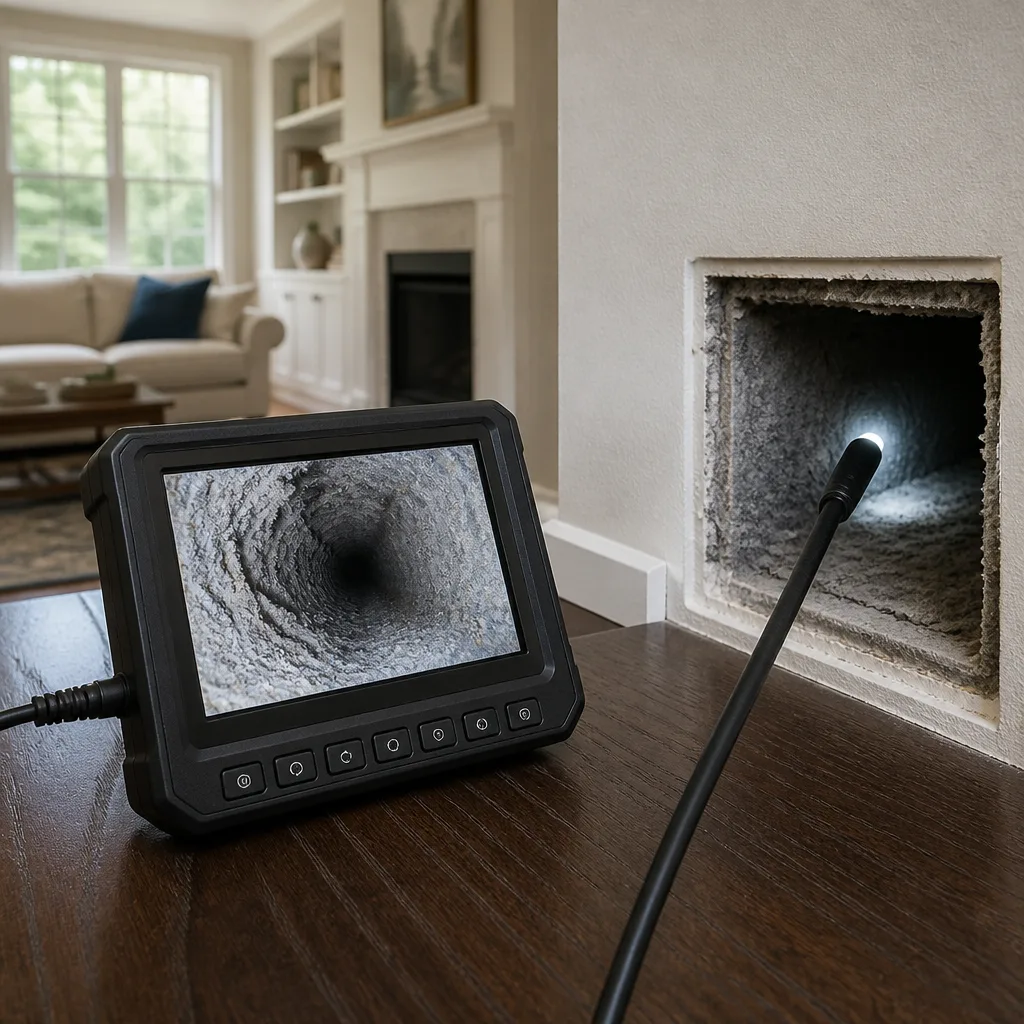 Camera inspection
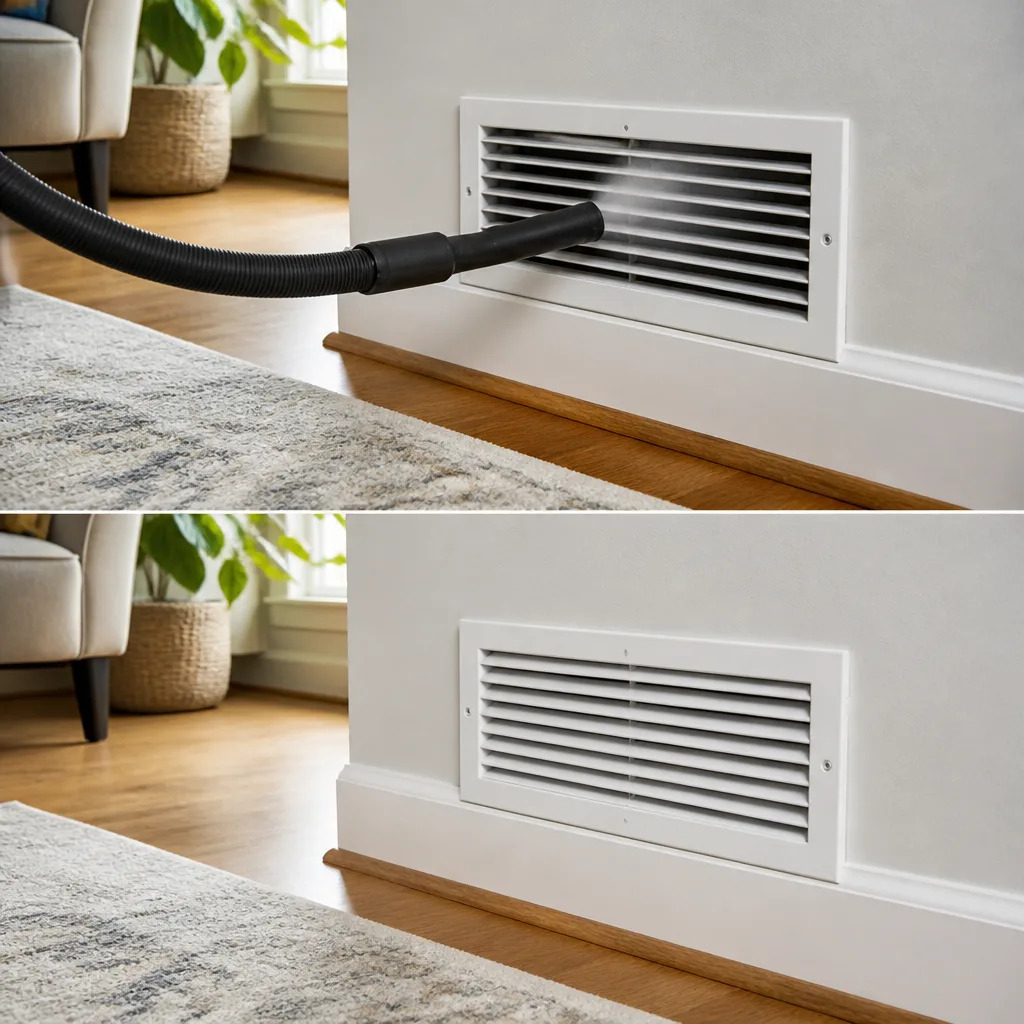 Sanitizing & deodorizing
Whole-system duct and dryer vent check with before-and-after photos - you see exactly what came out of your vents
That "$99 whole-house special" is a bait ad - the real number appears once they are in your hallway, or the "clean" is a shop-vac at the register. We photograph the inside of your ducts before and after instead.
How to Hire an Air Duct Cleaning Contractor in Thornton: A Step-by-Step Guide
The $99 duct cleaning special isn’t a loss leader. It’s the entire job, priced to get a van into your driveway, and the real pitch begins the moment the technician is standing in your crawlspace talking about “mold remediation” and “sanitizing fog.” Low-bid operators make their money on the upsell, not the cleaning, and the equipment in the back of that van is usually a shop-vac with a longer hose. Hiring well in Thornton comes down to asking four equipment-specific questions before you book anyone, then verifying the answers against the paperwork. This guide walks through those questions, what a real scope of work should say, how to check licensing through DORA, and which contractor patterns should make you hang up the phone.
Quick Answer
To hire an air duct cleaning contractor in Thornton, ask four questions before booking: what machine they run, its CFM rating, which brush system brand they use, and how they contain negative air during the job. Verify the company’s state licensing and insurance through Colorado’s DORA database, get a written scope of work listing every access point and register count, and insist on before-and-after photos of your own ducts. A credible contractor answers all of it without flinching and puts it in writing.
Styles & brands we work with
- Whole-home duct cleaning
- Dryer vent cleaning
- Camera inspection
- Sanitizing & deodorizing
Table of Contents
- The Four Equipment Questions to Ask Before You Book
- NADCA Membership vs. NADCA Certification
- What a Written Scope of Work Should Include
- Red Flags in Thornton-Area Contractor Patterns
- How to Verify Licensing and Insurance Through DORA
- What Air Duct Cleaning Should Cost in Thornton
- When Cleaning Uncovers Damage: Duct Repair and Dryer Vents
- How to Confirm the Work Was Actually Done
The Four Equipment Questions to Ask Before You Book
Equipment is the single fastest way to separate a real duct cleaning operation from a vacuum-and-a-promise outfit. Ask these four questions on the phone. The answers should come quickly, because a contractor who owns professional systems knows them cold.
- What machine are you running? Listen for a rotary-brush system like Rotobrush or a HEPA-rated vacuum line like Nikro. If the answer is “a really powerful vacuum” or “commercial equipment” with no brand, that’s your answer. Consumer-grade vacuums and shop-vacs recirculate fine particulate into the room instead of capturing it, which is the opposite of what you’re paying for.
- What’s the CFM rating of the vacuum? CFM, cubic feet per minute, measures how much air the vacuum moves. Deep cleaning requires real airflow, and the number should be available without a callback. If a contractor can’t name the CFM, the machine is probably not rated for whole-home duct work.
- Which brush system brand do you use? Rotary brushes with branded heads are standard for commercial and restoration work. Nikro and Rotobrush both make contact-head assemblies that agitate debris off duct walls before the vacuum pulls it out. A whip hose alone loosens dust but doesn’t scrub adhered buildup.
- How do you handle negative air containment? This is the question most homeowners never ask and the one that matters most. Negative air means the cleaning zone is held at lower pressure than the surrounding room, so disturbed debris travels toward the vacuum, not into your living space. Abatement Technologies negative-air and HEPA-filtration equipment is the standard for containment in remediation work. A crew that brings that discipline into a standard residential cleaning is signaling something about how they work.
If you’re already working with a premium air-quality accessory, ask a fifth question: whether their process is compatible with a whole-home system like Honeywell or Aprilaire. A technician who knows those systems won’t disturb the setup. One who doesn’t may leave you with a system that needs re-commissioning after they leave. Our own technicians run Rotobrush and Nikro systems with Abatement Technologies containment on every job, and we’re familiar with how Honeywell and Aprilaire components integrate, so cleaning and repair don’t fight the hardware already in your home.
NADCA Membership vs. NADCA Certification
The NADCA distinction trips up more homeowners than any other credential in this trade. NADCA stands for the National Air Duct Cleaners Association, and it offers both membership and a separate Air Systems Cleaning Specialist (ASCS) certification. They sound interchangeable on a website. They aren’t.
NADCA membership is a company-level affiliation. A duct cleaning business pays dues and, in exchange, agrees to operate according to the association’s standards. It signals that a company has committed to an industry code of conduct. It does not mean any individual on the crew has passed a test, been trained, or holds a credential.
NADCA certification is individual. An ASCS-certified technician has studied for and passed an exam on cleaning methodology, equipment, and containment. When you ask “is your company NADCA certified?”, the honest answer from a careful contractor is: “The company is a NADCA member; the technicians who show up may or may not hold individual ASCS certification.” A contractor who blurs those two terms is either confused or hoping you’ll confuse them.
What to actually ask:
- “Is your company a NADCA member?” If yes, that’s a good baseline commitment to standards.
- “Do the technicians coming to my home hold ASCS certification?” If yes, ask whether the same technicians will be on this specific job, or if the schedule rotates.
- “Do you follow NADCA’s assessment, cleaning, and verification process?” The standard is a defined three-step sequence, not a “quick sweep.”
In Thornton, where a good portion of housing stock sits in the twenty-to-forty-year range and duct systems have seen multiple furnace replacements, having a crew that respects the sequence matters. We mention NADCA because the credentials are real; we also mention them because a homeowner who can name the difference is an educated buyer, and that’s the homeowner we prefer to work with.
What a Written Scope of Work Should Include
Before anyone touches your HVAC, you should be holding a one-page document that spells out exactly what is and is not included. The absence of this document is one of the most reliable predictors of a bad outcome. A written scope should contain, at minimum:
- Number of registers and returns being cleaned. Every register, not “up to ten.” Count them yourself before the estimate and compare. This is where the “surprise, that’ll be extra” moment originates.
- Access points and how they’ll be created. Duct cleaning requires cutting small access holes at strategic points, then sealing them. The scope should say where and confirm the holes will be sealed and insulated.
- The cleaning method, by system. Supply side, return side, main trunk, and branches should all be addressed. A scope that only describes “duct cleaning” without naming every component is incomplete.
- Whether registers and grates are hand-washed. Machine-cleaning the ducts while leaving the visible grates unwashed looks sloppy when the truck pulls away. Confirm they’re being removed and cleaned.
- What is excluded. Furnace cleaning and blower wheel cleaning are sometimes bundled and sometimes separate. If it’s separate, the scope should say so plainly so you can decide.
- Photo documentation. Before-and-after photos of your own system, not a stock set from another job. Ask when you’ll receive them. A professional scope establishes this.
- The flat per-system price. One number for the whole system, written, agreed before work begins. Not per vent, not per register, not “starting from.”
If a contractor can’t produce this document, that’s a decision made for you. A professional-grade operation will have a scope written before they arrive, not after.
Red Flags in Thornton-Area Contractor Patterns
Some patterns are universal to the trade, and some are specific to how the market around Thornton works. Watch for all of them.
- Vague phone quotes. A price given over the phone before anyone has looked at your system or counted your registers is a placeholder, not a quote. Expect a real one in writing after a visual inspection. If the phone number turns into a lower number when the van arrives, treat it as the first upsell, not a favor.
- No before-and-after documentation promised. If the contractor doesn’t mention photos before you ask, they probably don’t take them. Duct cleaning is mostly invisible, which is exactly why documentation matters. The absence of a documentation habit is a tell.
- Subcontracting the job out. Ask directly: “Are the technicians who arrive employees or subcontractors?” Some operations quietly farm jobs to whoever’s available, which means the equipment, method, and standards you vetted aren’t guaranteed to show up.
- Door-to-door or cold-call offers. Unsolicited “duct cleaning” flyers and robo-calls offering a fixed price for a service nobody has inspected are a known pattern in the Front Range. Real cleaning is scheduled after an inspection.
- No physical address. This one is murky in a subcontracted model, but a legitimate company can share its business registration. If a company operates from a PO box, a personal cell number, and a Gmail address, ask harder questions.
- “Free sanitizing fog” as a headline benefit. Sanitizing sprays are sometimes appropriate but rarely the headline of a good job. When fogging is the pitch instead of containment and brush cleaning, the priorities are inverted.
- Pressure to sign now. A legitimate estimate stays good for a reasonable window. If the price only exists if you commit in the next twenty minutes, that’s a script, not a situation.
If you’re going through a realtor or a home-warranty referral, these patterns get murkier because the referral can push you toward whoever’s fastest. Ask the same questions anyway. Thornton has no shortage of duct cleaning contractors; the job is picking one whose answers hold up.
How to Verify Licensing and Insurance Through DORA
Colorado’s Department of Regulatory Agencies, or DORA, is the state’s umbrella regulator, and its online lookup tools will show you whether a business holds the licenses or registrations it claims. Running a quick check takes a few minutes and settles a lot.
- Get the exact legal business name. Ask for it on the phone before you ask anything else. Trade names and DBA names don’t match legal names, and you can only search what you know.
- Search DORA’s online licensing lookups. Colorado’s DORA site hosts individual profession lookups and business searches. Check that the company name resolves to an active registration.
- Ask for a certificate of insurance. General liability insurance protects your home if something is damaged. Ask for the certificate and read the expiration date. A contractor operating without it may be perfectly qualified, but the risk sits with you.
- Confirm the technicians who arrive actually work for the company you vetted. This crosses over with the subcontracting question. Insurance matters less if a crew shows up who you didn’t actually vet.
- Note what DORA does not do. Colorado does not have a specific “air duct cleaning” license in the way it regulates electricians or plumbers, so DORA verification will confirm business registration and relevant related licensing, but not a specialized duct cleaning credential. Anyone claiming a “state duct cleaning license” is overstating it.
This step is where you separate an operation with a real business behind it from someone who’s going to disappear if there’s a problem. Take ten minutes on DORA. It’s worth more than any written testimonial on a website.
What Air Duct Cleaning Should Cost in Thornton
Air duct cleaning in Thornton is priced per system, not per vent or per register, and a whole-system job with proper containment typically runs in the several-hundred-dollar range for a standard single-family home. Prices climb for larger homes, multiple HVAC systems, heavy debris loads, and jobs that include duct repair alongside cleaning. If you’re seeing a quote well below that range, the difference is equipment, time on site, and whether containment is real or notional.
- Standard whole-home cleaning (single system): Mid several-hundred-dollar range. Includes all supply and return runs, main trunk, register removal and cleaning, and photo documentation.
- Multi-system or large-footprint home: Higher, scaled per system. Two furnaces means two systems and two cleanings.
- Cleaning plus duct repair: Combines a cleaning estimate with a repair estimate if damage is found. Ask for the repair as a separate line.
- Cleaning plus dryer vent clearing: Small add to the same visit if the dryer vent is accessible.
What you should not see in a written estimate: a per-register or per-vent price, a “starting at” figure that gets revised upward on arrival, a “sanitizing” charge that was never in the scope, or a trip charge dressed up as a diagnostic fee. Duct cleaning is a flat-priced job agreed before the technician starts. If you ask for a written estimate and the answer is a coupon number, ask what the full-system price is instead. That’s the number that matters.
When Cleaning Uncovers Damage: Duct Repair and Dryer Vents
A real cleaning regularly turns up damaged ductwork: disconnected joints, crushed flex runs under floor joists, worn-away mastic at seams, torn insulation inside a run. This is where a single-service duct cleaner leaves you stranded. They clean the system, document the damage, and hand you a recommendation to “have a duct repair specialist look at it.” You’ve just been handed a second contractor, a second appointment, and a second chance to be upsold.
Ask every contractor before you book whether they also perform repairs. If they don’t, ask what happens when damage is found. The honest answer is usually that you get a referral. The answer we give is different: we clean, we show the photos, and if you want the repair done, we do the repair on the same visit, in scope, in writing.
Dryer vent cleaning belongs in the same conversation. Lint accumulating in a dryer vent is a known fire risk, and it’s a maintenance task that frequently gets skipped because it’s out of sight. A dryer vent that’s partially blocked also slows drying, which drives up energy use. A service call that addresses the entire air pathway, HVAC ducts plus dryer vent, closes two problems in a single visit. We name it as a separate service, not as an add-on we try to sell. You decide.
How to Confirm the Work Was Actually Done
Duct cleaning is mostly invisible work. The technician parks, works for a couple of hours, and pulls away. Without documentation, the entire job is a promise. Ask these questions and you won’t be relying on a promise:
- Do I get before-and-after photos of my own system? Timestamped or otherwise verifiable, of your registers, your main trunk, your return side. Not a stock set.
- Do I have access holes that get properly sealed? Any access points cut into the ductwork should be sealed after the job. Look for visible patches or fresh mastic.
- Are my registers and grates clean when they leave? Machine-cleaned ducts with untouched grates are a sign the job stopped short.
- Do I have a written record of anything found and repaired? If repair work happened, ask for it in the same written record as the cleaning.
- Is the technician the same person from the estimate call? The crew on site should match the crew described. If not, ask why.
Asking for photos before the job starts is the simplest test of whether you’ll actually get them after. Any operator who’s serious about documentation will confirm the habit up front.
Common Mistakes to Avoid
- Booking on price alone. Choosing the lowest quote in Thornton means choosing an operator whose margin comes from upsells and shortcuts. The number that matters is the written whole-system price after an inspection, not a phone number or a coupon.
- Skipping the CFM question. A lot of homeowners ask about “powerful vacuums” and get a shoulder shrug. Ask for the CFM rating. If the answer is vague, that’s the answer.
- Assuming “NADCA certified” is a company credential. Certification is individual. Membership is company-level. The conflation is common enough that some contractors rely on it. Ask both questions separately.
- Not counting registers yourself. Walk through the house before the estimate and count every supply register and every return. That’s the number you compare to the scope. It’s also the number a bait-and-switch estimate will undercount.
- Accepting “fog” as a cleaning method. Sanitizing sprays don’t remove debris from duct walls. Brush agitation plus HEPA-rated capture does. Fog as the headline means the cleaning already happened on paper, not in the ducts.
- Letting a dryer vent stay on the “do it later” list. Dryer vents aren’t a footnote in a cleaning estimate. They’re a fire risk. Confirm the vent is being addressed if it hasn’t been done in a few years.
- Skipping the DORA check. A few minutes on the state regulator’s site, plus a certificate of insurance, catches the operators that shouldn’t be in your crawlspace. Doing it after the truck arrives is doing it too late.
See the difference
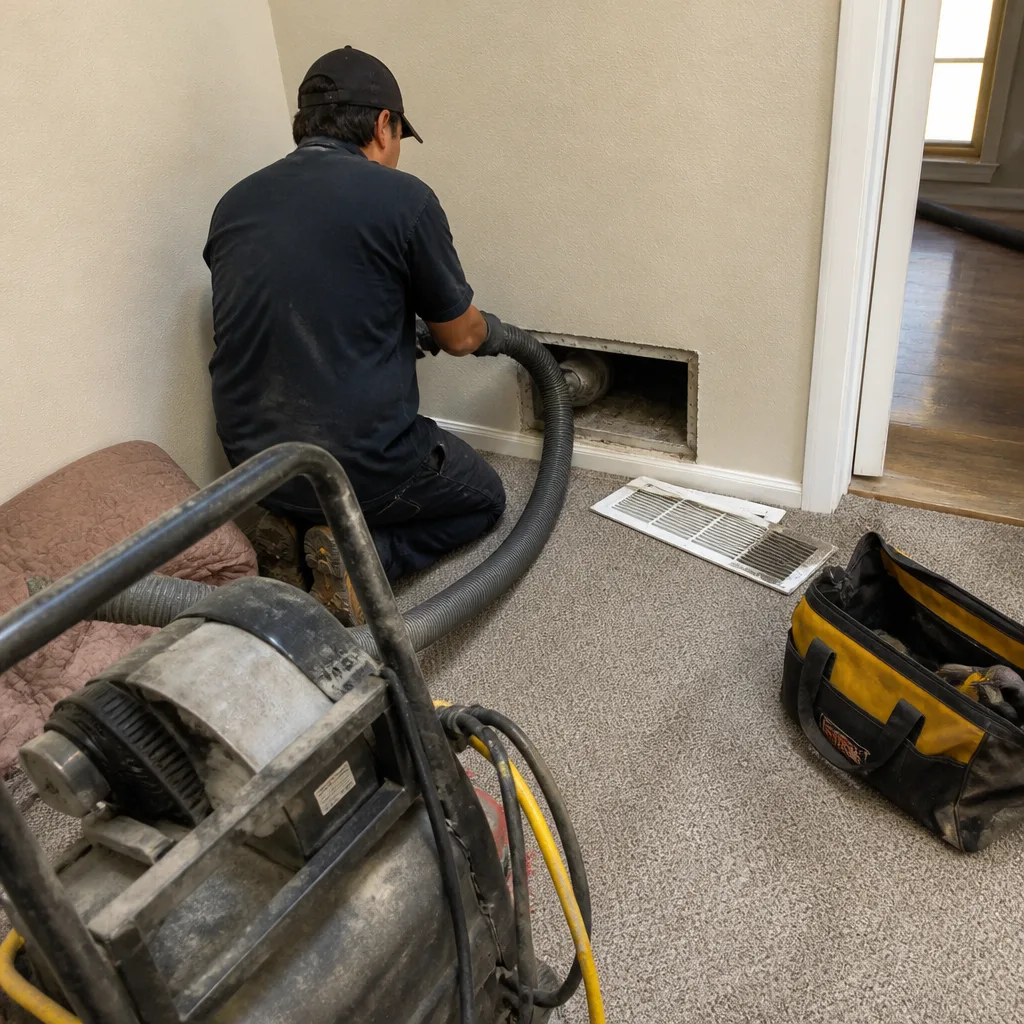 Before
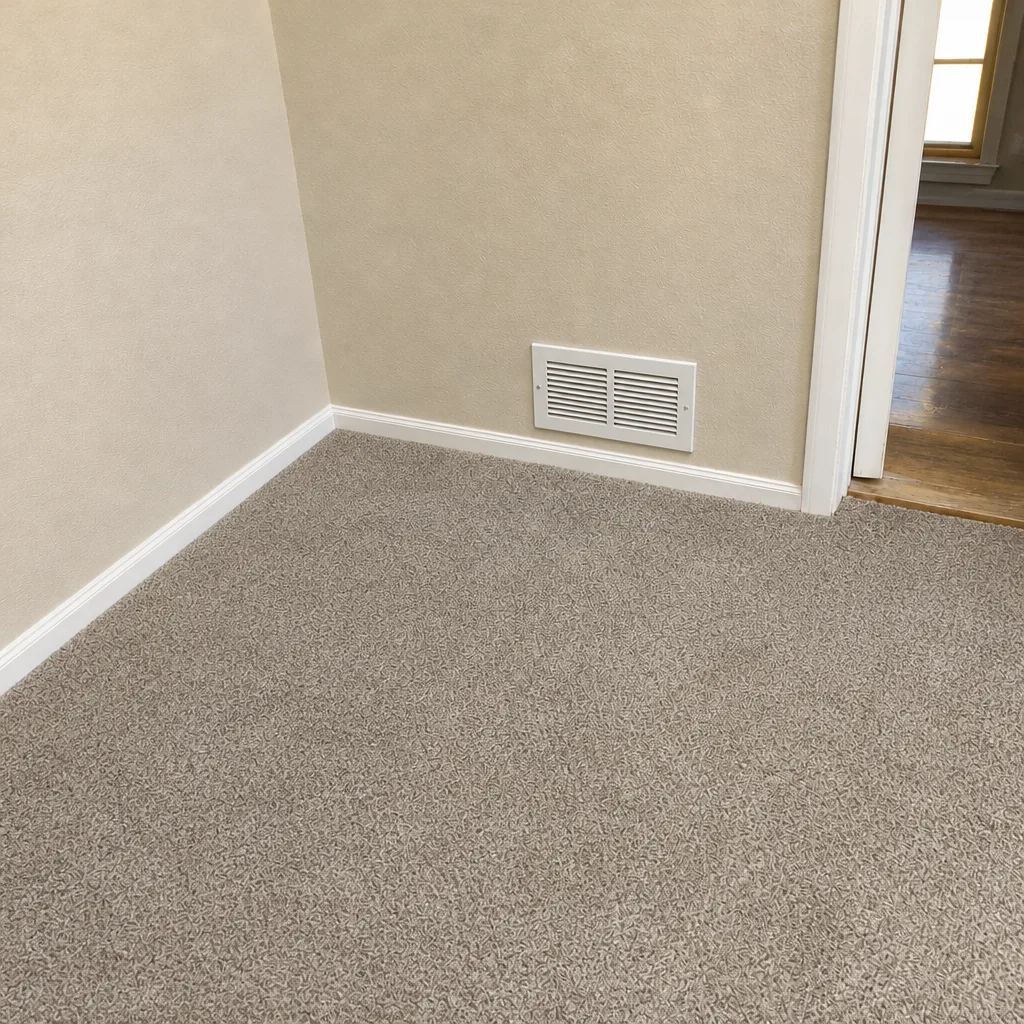 After
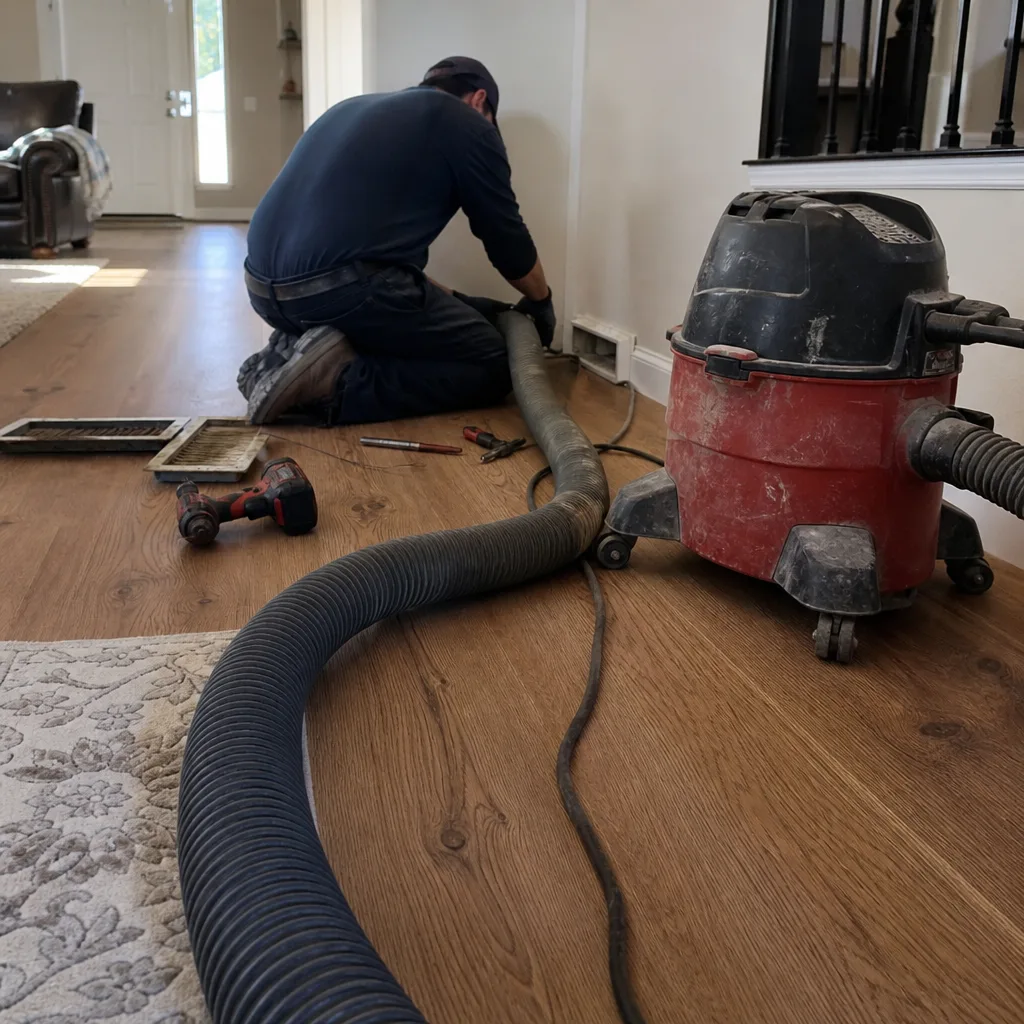 Before
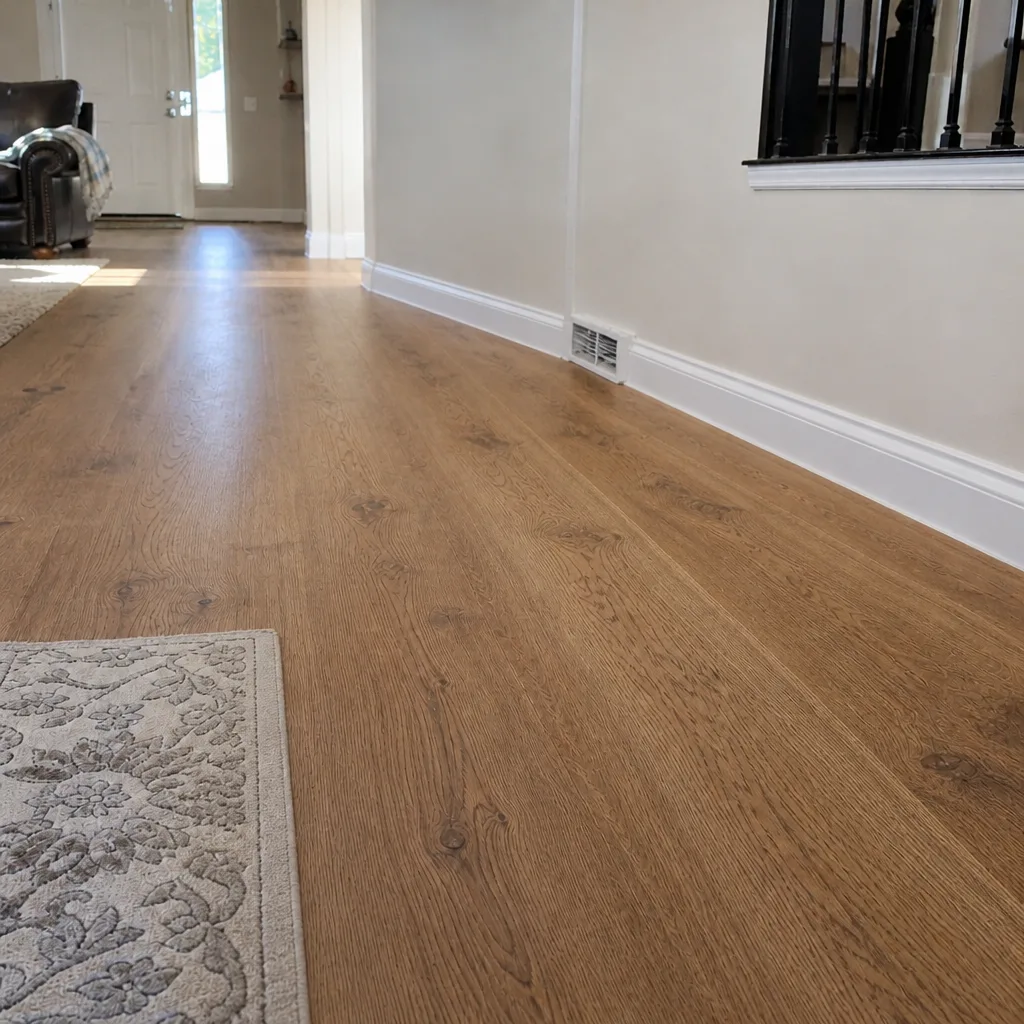 After
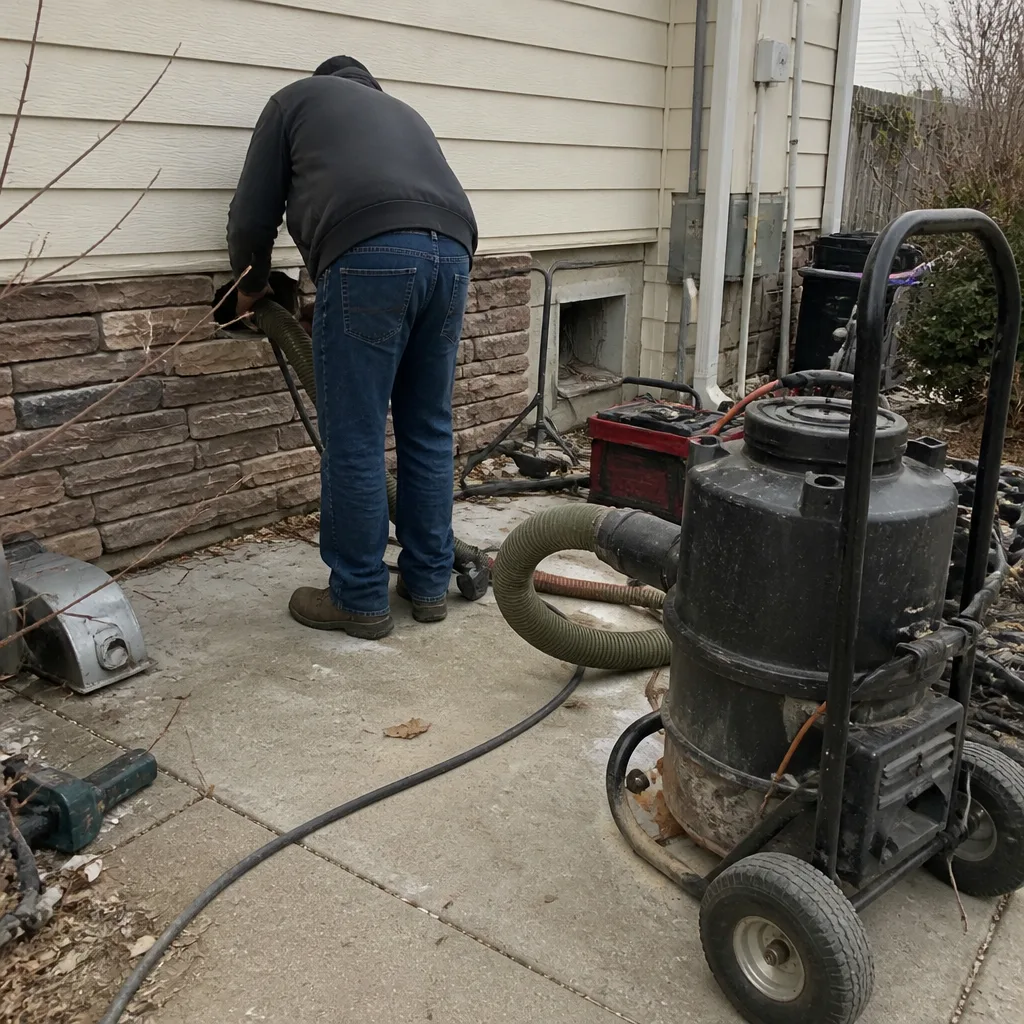 Before
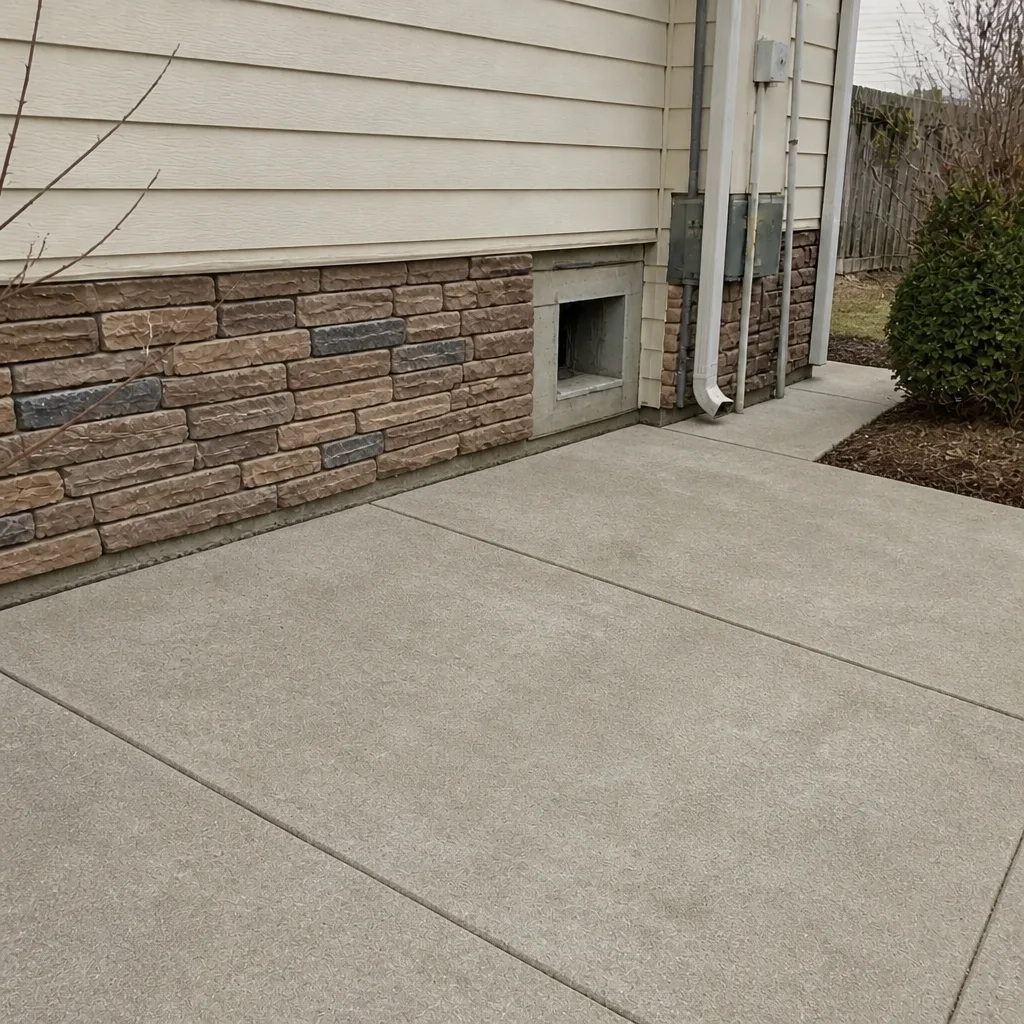 After
When to Call a Professional
Call a professional duct cleaning contractor in Thornton when any of these situations lines up with your home:
You’ve recently moved into a home and don’t know the HVAC service history, especially if you can see visible dust or debris at the registers. You just finished a remodel and drywall dust has clearly gone down into the returns. A household member has consistent allergy or respiratory symptoms that seem tied to indoor air. The ductwork is older than fifteen or twenty years and has never been cleaned. A dryer vent hasn’t been cleared in several years. Or you’ve noticed a room that never heats or cools well and want to rule out disconnected or blocked ductwork before assuming the furnace is the problem.
If you’re in a home that could be in any of those categories, it’s worth getting an estimate. Air duct cleaning, dryer vent cleaning, and air duct cleaning plus repair can be booked as a single visit. Duct Cleaning Thornton offers free estimates in Thornton. Call (888) 495-2236. We answer 24/7. Fast dispatch from 7am to 7pm, Sunday through Friday.
Frequently Asked Questions
Air duct cleaning in Thornton is priced per whole system, typically in the several-hundred-dollar range for a standard single-family home, with higher numbers for larger homes, multiple HVAC systems, heavy debris, or jobs that include duct repair. The written estimate sets the final price, and that estimate should be produced after an inspection, not a phone call. Any quote that starts with a coupon figure and grows on-site is a red flag. Call (888) 495-2236 for an exact quote. Estimates are free.
Cheaper quotes reflect cheaper equipment, less time on site, and less containment. A $99 or low-hundreds special usually covers a shop-vac-and-whip-hose pass at the registers, not a full negative-air contained cleaning of the supply, return, and main trunk. The margin comes from the upsells that start once the technician is inside: sanitizing fog, mold treatment, dryer vent work that wasn’t in the quoted scope. Cheaper in this trade doesn’t mean “better negotiated.” It means less of the job. Call (888) 495-2236 if you want a whole-system price quoted in writing.
Ask for before-and-after photos of your own system, not a stock set from another job, and confirm the contractor will provide them as part of the scope. Walk through the registers after the job and confirm they’re clean. Confirm that any access holes cut into the ductwork were properly sealed. If repair work was performed, get it in the same written record as the cleaning. Operating on documentation as a standard is a good marker. Call (888) 495-2236 to see what documentation comes with a free estimate.
Most residential duct systems don’t need cleaning on a strict interval; need depends on factors specific to your home. A well-maintained system in a house with no recent renovation, pets, or air quality complaints can go many years. Homes with recent drywall work, significant pet dander, visible debris at the registers, or a history you don’t know from prior owners often benefit from a cleaning sooner. Dryer vents are a different story and typically need clearing on a shorter cycle. Call (888) 495-2236 if you want an in-person read on your system.
NADCA membership is a company-level affiliation; the association’s ASCS certification is individual and belongs to a technician who’s passed an exam. A NADCA-member company may have certified and uncertified technicians on the crew. If certification matters to you, ask whether the same certified technicians will actually perform the cleaning, or whether a scheduled crew rotates. Calling (888) 495-2236 gets you a direct answer to that question, honestly.
Air duct cleaning itself typically does not require a building permit. Duct repair can, depending on the scope, and it’s worth asking your city’s building department if the repair involves replacing sections of ductwork or moving a run. A contractor who knows which repairs require permits will tell you up front rather than letting you discover it later. Call (888) 495-2236 with questions about repair scope, and we’ll help you sort out what likely needs a permit.
The Bottom Line
Hiring a duct cleaning contractor in Thornton is a matter of verification, not instinct. Ask the four equipment questions (machine, CFM, brush brand, containment) and treat a vague answer as a disqualifier. Confirm the difference between NADCA membership and individual ASCS certification. Get a written scope that lists every register, every access point, and every exclusion before anyone starts. Run the DORA check and ask for a certificate of insurance. Insist on before-and-after documentation of your own system, and pick a contractor who can also perform duct repair and dryer vent clearing on the same visit. The full-service scope isn’t a sales point; it’s how you avoid a second contractor and a second round of upsells when the cleaning turns up damage. The Thornton market has plenty of options. The right ones will answer all of this without hesitating. For a real walkthrough of the process, visit Duct Cleaning Thornton and see how a professional-grade crew approaches the job.
Contact
If you’re ready to move from research to a written estimate, we’ll visit your home, inspect the system, document what we find, and hand you a flat whole-system price before anything starts. Our technicians have up to 12 years of experience running Rotobrush and Nikro systems with Abatement Technologies containment, and we know our way around Honeywell and Aprilaire whole-home accessories. Call (888) 495-2236 for a free estimate. We answer 24/7. Fast dispatch from 7am to 7pm, Sunday through Friday. When repair turns up mid-cleaning, we don’t hand you a referral. We repair what we find.
Written by the team at Duct Cleaning Thornton.