
Last updated November 15, 2026
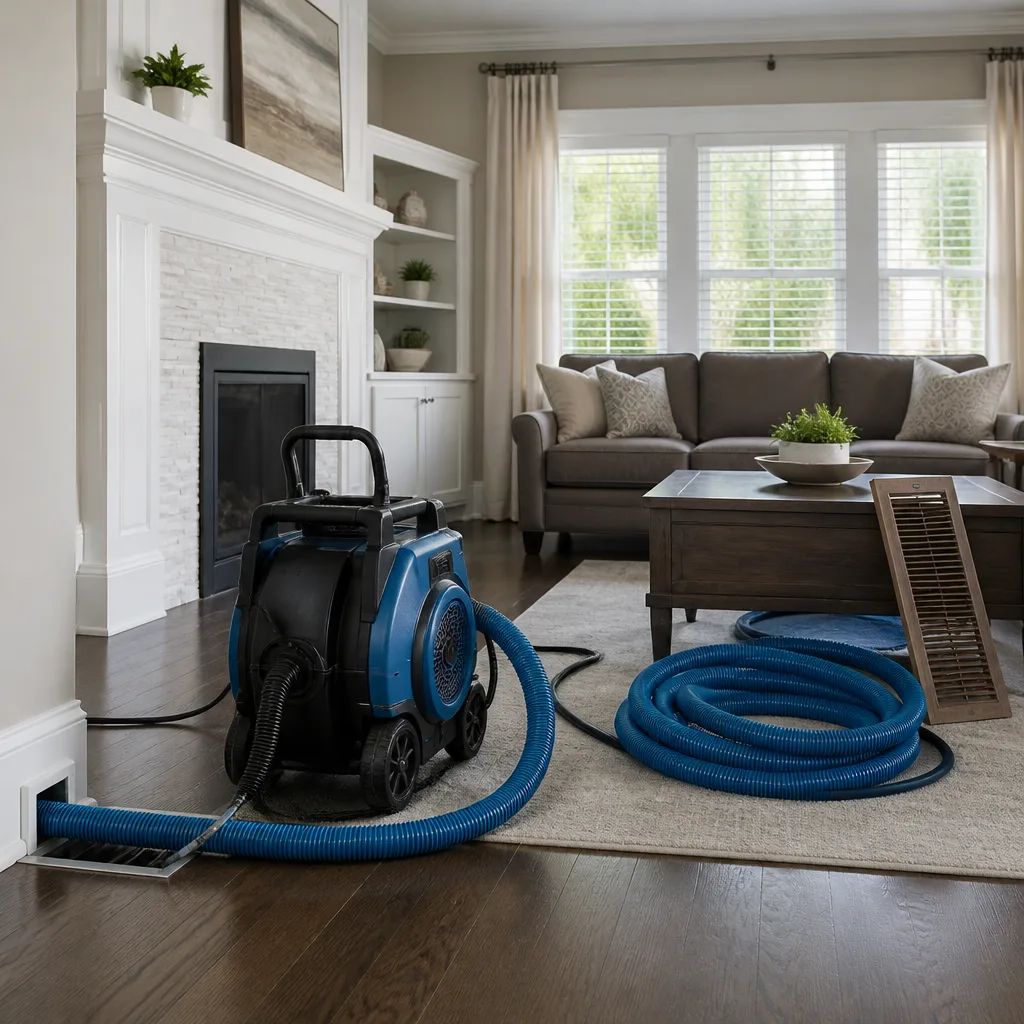 Whole-home duct cleaning
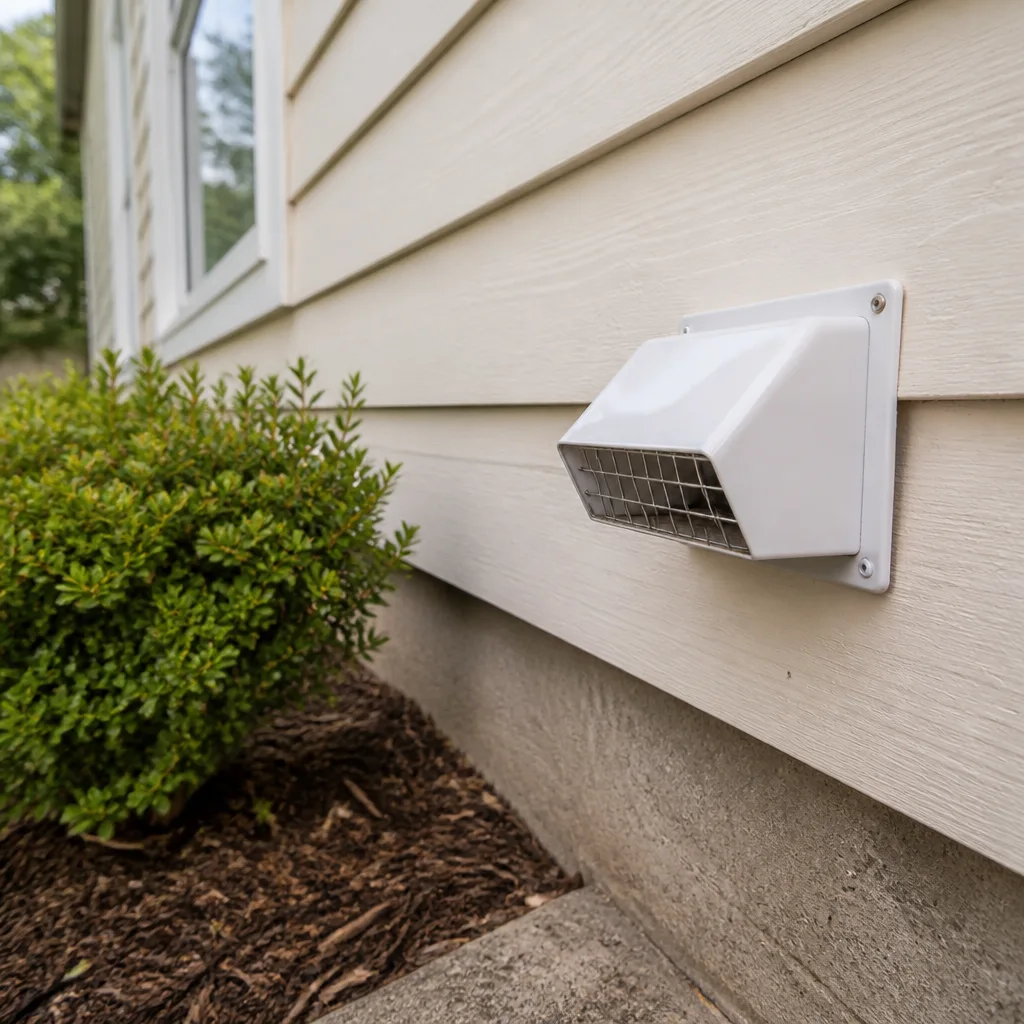 Dryer vent cleaning
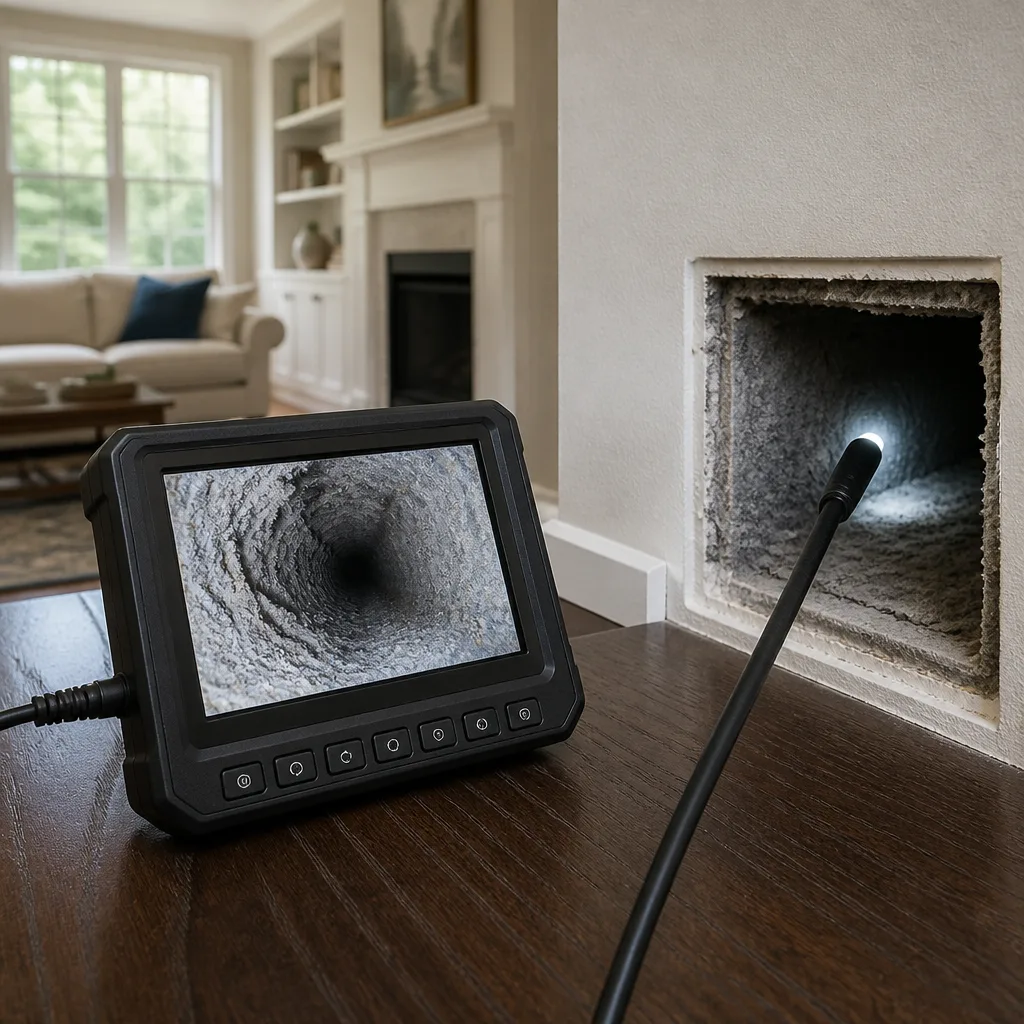 Camera inspection
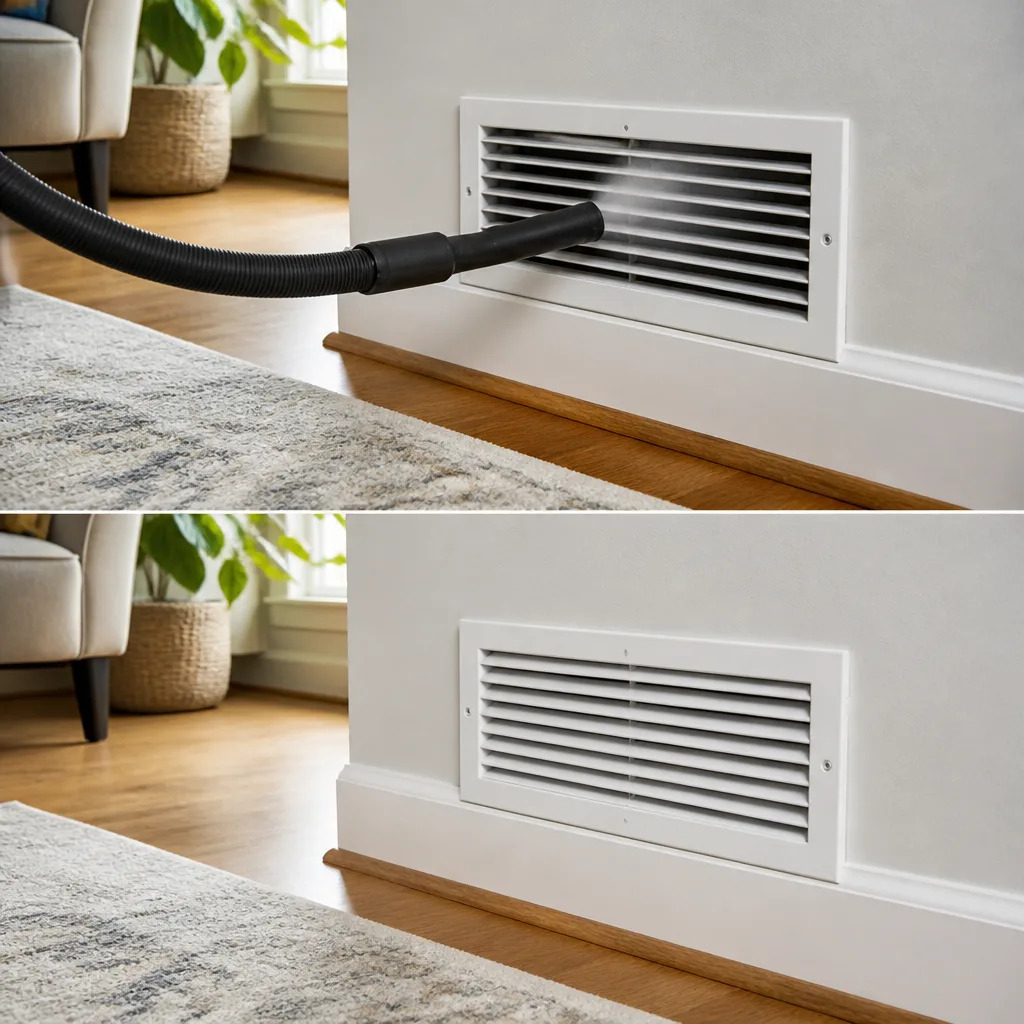 Sanitizing & deodorizing
Whole-system duct and dryer vent check with before-and-after photos - you see exactly what came out of your vents
That "$99 whole-house special" is a bait ad - the real number appears once they are in your hallway, or the "clean" is a shop-vac at the register. We photograph the inside of your ducts before and after instead.
Air Duct Cleaning Emergency Preparedness Guide for Thornton Homes
Most homeowners treat duct cleaning as a maintenance item on a to-do list. During a Front Range emergency, it becomes something else entirely: a containment decision. Here’s the counterintuitive point. In a smoke event or a flood, the worst thing you can do is keep your HVAC running in auto and assume the filter is handling it. The system keeps pulling air through the return, and whatever is in that air settles in the ductwork. How you run your HVAC in the first 24 hours after a smoke wave or a crawlspace flood decides how much contamination your ducts take on. This guide covers the protocol: what to set, what to shut down, what to document, and how post-emergency cleaning differs from routine work. Written for Thornton homes in the wind corridor and the wildfire downwind zone.
Quick Answer
After a wildfire smoke event or a crawlspace flood in Thornton, the right sequence is: shut the system down or set the fan to circulate only until the outdoor air clears, document everything with photos and dates before anyone touches the ducts, then have the system inspected and camera-assessed before any cleaning begins. Post-emergency cleaning is inspection-first, not brush-first. Contamination from smoke particulates or flood moisture behaves differently than ordinary house dust, and the cleaning order matters. If you need an assessment after an event, call (888) 495-2236. We answer 24/7.
Styles & brands we work with
- Whole-home duct cleaning
- Dryer vent cleaning
- Camera inspection
- Sanitizing & deodorizing
Table of Contents
- Wildfire Smoke Events: HVAC Protocol for Thornton Homes
- Post-Flood Duct Assessment: What Crawlspace Water Does to Flex Duct
- What to Document After a Contamination Event (Before Cleaning)
- The Post-Emergency Cleaning Sequence That Differs From Routine Maintenance
- How to Find an Emergency-Available Thornton Contractor
- Dryer Vents in Emergency Season: The Fire Risk That Doesn’t Wait
- Building a Preparedness Protocol Before the Next Event
Wildfire Smoke Events: HVAC Protocol for Thornton Homes
During the 2020 Colorado fire season, Thornton’s air quality index hit hazardous levels for days at a stretch. Homes that kept the HVAC running in auto mode were pulling smoke particles into the return air, distributing them through the ducts, and settling that contamination into every branch of the system. This isn’t a filtering failure. Even a high-MERV filter catches only a fraction of fine smoke particles, and it catches nothing that settles on duct walls after the air has passed through.
Here’s what to do when smoke rolls in:
- If outdoor AQI is hazardous and you can see or smell smoke indoors, shut the system off entirely. No heating, no cooling, no fan. The fan is what distributes the contamination.
- If you must run the system for heat or cooling safety, set the thermostat to fan “on” only if you have confirmed you’re recirculating indoor air. Most residential systems recirculate already. But confirm there’s no fresh-air intake pulling smoke in. If there is, close it or seal it temporarily.
- Seal windows and doors with weatherstripping or tape if smoke is entering. Run a portable HEPA air purifier in the main living space if you have one.
- Change the filter after the smoke event ends, not during. A filter packed with smoke particles restricts airflow and can cause the blower to overheat.
- Schedule a duct assessment once outside air clears. Smoke residue doesn’t self-evacuate. Fine particulates settle along the return trunk and branch runs, and a routine cleaning may need to be a deeper cleaning with HEPA containment.
What we see in our experience: the homes most affected after a smoke wave aren’t the ones that got a lot of smoke inside. They’re the ones that pulled it through the system while the smoke was at its worst. For a closer look at what a proper post-smoke cleaning involves, see our air duct cleaning page.
One equipment note. During smoke-event cleanings, the containment matters more than the agitation. We run Nikro HEPA-rated vacuum systems and Abatement Technologies negative-air equipment to keep dislodged smoke particles from recirculating through the living space mid-cleaning. That’s remediation-grade discipline, not a shop-vac and a coupon.
Post-Flood Duct Assessment: What Crawlspace Water Does to Flex Duct
Thornton sits in a watershed that gets flashy. Summer thunderstorms can dump inches of rain in an hour, and the storm drainage doesn’t always keep up. When crawlspaces flood, the ductwork in those crawlspaces goes to the top of the checklist, whether or not any water reached the ducts themselves.
Flex duct is the concern. It’s a plastic inner liner wrapped in insulation, and it doesn’t need to be submerged to take on moisture. Water in a crawlspace drives humidity into the air around the duct, and insulation takes on that humidity for days. Once the insulation is wet, it can support mold growth on the duct exterior and eventually wick moisture toward the inner liner. Rigid metal duct in a flooded crawlspace is more resilient, but joints and seams can trap silt and debris.
How to assess after floodwater recedes:
- Look at the duct insulation. Dark or damp patches on flex duct insulation mean moisture has entered. Duct wrap that stays wet after a week is a replacement candidate, not a drying candidate.
- Check the inner liner. If you can reach a flex duct section and peel back the insulation, look for visible water droplets, discoloration, or mold along the inner plastic. If it’s there, that section needs replacement.
- Smell the return air. A musty or earthy smell when the system runs after a flood event is a strong indicator that moisture reached the duct path.
- Inspect the supply boots at the floor and ceiling. Silt and debris often collect where the duct meets the register boot, which can indicate the duct was wet or has pulled debris from a flooded crawlspace.
- Have the system camera-inspected before running it. This matters. Running a flooded system can push moisture-laden air through the entire living space.
If your crawlspace flooded and you suspect the ducts are compromised, call (888) 495-2236. We answer 24/7. Fast dispatch from 7am to 7pm, Sunday through Friday. We’ll assess before we clean, and if duct sections need replacement, duct repair is a service we handle on the same visit.
What to Document After a Contamination Event (Before Cleaning)
Here’s the mistake we see most often after a smoke or flood event: the homeowner cleans first and calls the insurer second. Once the ducts are cleaned, the physical evidence of contamination is gone. Insurers need documentation of the damage before mitigation work begins, and a cleaning that happened before documentation can complicate a claim.
Document the following before any cleaning:
- Date, time, and event type. When did the smoke wave or the flood hit your neighborhood? Capture the timeline.
- Photos of the conditions. Interior smoke haze, ash on windowsills, water line in the crawlspace, wet insulation, damaged register boots. Wide shots and close-ups.
- Local air quality data if applicable. If smoke was the event, screenshot the AQI reading for Thornton from a regional monitor for the dates in question. This supports a “proximate cause” record.
- Your HVAC filter condition. Photograph the filter before changing it. A filter blackened with smoke particulate shows the system was running during the event.
- Any visible damage inside the duct path. Scope photos if you’ve already had an inspection done, register boots with debris, insulation discoloration.
- Receipts and service records. If you had a filter change, a diagnostic visit, or an assessment completed in the days after the event, keep the invoices with the documentation packet.
- Written notes on what you ran and when. Did the system run during the smoke? For how long? Did you shut it down, and when? This is the homeowner’s record of reasonable mitigation effort.
We encourage photographing everything before our team arrives. The inspection record we generate becomes part of your documentation. It isn’t a substitute for what you captured on your own. Together, they tell a much clearer story to an adjuster.
The Post-Emergency Cleaning Sequence That Differs From Routine Maintenance
Routine maintenance follows a simple sequence: connect to the trunk, agitate the branches, work the main line, pull everything to the HEPA vacuum. Post-emergency cleaning can’t start with agitation. If you brush first, you dislodge settled contamination into the airstream before you’ve established where it’s coming from and where it’s going. The right post-event sequence is inspection first, camera assessment second, cleaning order third.
- Visual inspection of every accessible register, return, and duct boot. Identify obvious contamination sources: smoke residue along the return trunk, moisture in a flex duct branch, debris accumulation at the boots.
- Camera assessment of the trunk and main branches. Smoke residue, mold growth, or flood silt may not be visible from the registers. A camera run through the trunk line establishes the extent before any cleaning begins.
- Establish containment. Post-event cleaning uses negative-air equipment and HEPA vacuums to hold contaminants inside the work zone. We run Abatement Technologies negative-air systems, which is the same category of containment used in remediation jobs.
- Repair damaged sections before cleaning the rest of the run. If camera assessment shows a compromised flex duct branch, a disconnected joint, or a torn liner, that section gets repaired first. Cleaning the rest of the system while a damaged branch is open means pushing contamination into a place you can’t reach.
- Clean from the source out to the registers. Agitate and vacuum the trunk and main branches, then work the supply runs from the inside out. Rotobrush rotary-brush systems are the tool for the branch work; Nikro HEPA vacuums hold the dislodged debris.
- Final camera verification. Re-run the camera after cleaning to confirm the duct path is clear. Before-and-after photos of your own system should be standard.
- Document and re-balance. After a flood or smoke event, check that any damper you shut is reopened and the system is balanced. If you use Honeywell or Aprilaire accessories, confirm they’re functioning with the cleaned system.
That sequence takes longer than a routine cleaning, and it costs more. It also leaves a cleaner duct system and a paper trail. If your home uses a whole-home air-quality accessory, that sequence is where the compatibility question gets answered. If you’re running an Aprilaire or Honeywell system, the work has to integrate with it, not bypass it. We service and coordinate around those systems as a matter of course.
How to Find an Emergency-Available Thornton Contractor
Emergency-available duct cleaning is a narrower category than it sounds. Most duct cleaning companies run appointment schedules and don’t move on a call that comes in after a smoke or flood event. Here’s what to establish before you authorize anyone to touch your system.
- Can they be reached outside a normal schedule? A company that answers its phone at 9pm on a Sunday after a smoke wave is the company that can book you for the next opening. That next opening may be Monday morning. The phone conversation itself is what matters for triage. We answer 24/7. Fast dispatch from 7am to 7pm.
- Do they inspect before they clean? Any company that shows up after a flood or smoke event and immediately starts brushing is skipping a step. Ask specifically whether they use a camera to assess the trunk line before cleaning.
- Do they offer duct repair? Post-event cleaning often uncovers a compromised duct section. If the company can’t repair it, you’re scheduling a second contractor for a second visit while your system sits open.
- What equipment do they bring? Ask for the equipment names. A truck-mounted or portable HEPA vacuum with a brand name you recognize and negative-air containment is the standard for post-emergency work. Vague answers about “industrial equipment” are a warning sign.
- What’s the written scope? Before authorizing work, get the scope in writing: how many registers, what branches, whether containment is included, whether repair is quoted separately. The written estimate sets the final price.
- Do they provide before-and-after photos of your own system? This is your proof the work was done and your documentation for any insurance claim.
We provide a free estimate and put the scope in writing before the work starts. Call (888) 495-2236 to set it up.
Dryer Vents in Emergency Season: The Fire Risk That Doesn’t Wait
There’s a reason we treat dryer vent cleaning as part of the same conversation as emergency preparedness. A clogged dryer vent is a fire risk in a normal week. During the summer fire season, it can become a fire risk on the same day that wildfire crews are stretched thin. Lint accumulation in the dryer vent line doesn’t get a pass because the outside air is smoky.
What to check before and after an event:
- Dryer run time. If a load is taking significantly longer than it used to, or the dryer is hot to the touch on the exterior, the vent line may be restricted.
- Lint screen per load. Clean it every load. That’s maintenance. It doesn’t handle what’s accumulated in the vent line itself.
- Exterior vent flap. Check that it opens freely when the dryer runs. A stuck flap traps lint and moisture.
- Vent path length and bends. Long runs with multiple elbows capture more lint. If your dryer isn’t near an exterior wall, the vent line is longer than average and needs more frequent attention.
- After a smoke event. Debris and ash can enter the exterior vent and build up. Check after the smoke clears.
Dryer vent cleaning is one of the three services we run. The other two are air duct cleaning and duct repair. If you suspect a lint buildup that could be a fire risk, schedule it. Call (888) 495-2236.
Building a Preparedness Protocol Before the Next Event
Thornton sits in a hazard corridor that doesn’t get quieter over time. The wildfire smoke that drifts over the Front Range from fires to the west and north, the periodic flood events that hit low-lying crawlspaces, and the wind events that drive dust and debris through return vents are recurring patterns, not one-off incidents. A home that has a protocol in place before the event starts will recover faster and with less contamination in the ducts than one that improvises.
Build the protocol now:
- Know your HVAC air-intake path. Does your system pull any fresh air from outside, or is it fully recirculating? Know before a smoke event, not during one.
- Keep three filter changes on hand. After a smoke event you’ll want to change the filter once the air clears. Keep spares in the house.
- Store a HEPA air purifier for the main living space. It won’t clean the ducts, but it reduces the load during the event.
- Photograph the duct system in its current condition now. Store the photos with your home records. A pre-event baseline makes post-event damage documentation far more effective.
- Keep a camera-ready documentation folder. Home insurance policy, HVAC service history, and a labeled section for event photos.
- Have a duct cleaning vendor relationship. A company that has already inspected your system can respond to a post-event call faster than one starting from zero.
- Schedule a duct inspection every two to three years. That’s a general recommendation, not a code requirement. It catches flex duct degradation, moisture intrusion, and looseness before the next event tests the system.
For a Thornton home in the smoke corridor, a readiness plan isn’t anticipation of a maybe. It’s the practical answer to a pattern that will repeat. You can read more about our three services on the Duct Cleaning Thornton page, and if you’re new to the area, the Thornton resource covers the local context.
Common Mistakes to Avoid
- Running the HVAC in auto during a smoke event. Running in auto pulls outside smoke into the system. Shut it down or set the fan to circulate and seal fresh-air intakes.
- Cleaning the ducts before documenting. Once the ducts are cleaned, the evidence of contamination is gone. Photograph first.
- Running a flooded HVAC system to “dry it out.” Running a system that has flooded crawlspace ductwork pushes moisture and contamination through the living space. Assess first.
- Assuming a filter change handles the smoke residue. The filter catches some particles in flight. It does nothing for particles that settled on the duct walls after the air passed through.
- Hiring a company that shows up without a camera. Post-flood and post-smoke contamination is often invisible from the registers. A camera assessment is standard, not optional.
- Authorizing work before the scope is in writing. A verbal scope is hard to enforce. Insist on a written estimate. It sets the final price.
- Ignoring dryer vents during a fire season. A clogged dryer vent is a fire risk that stacks with the outdoor fire risk. Cleaning it doesn’t wait for the season to end.
See the difference
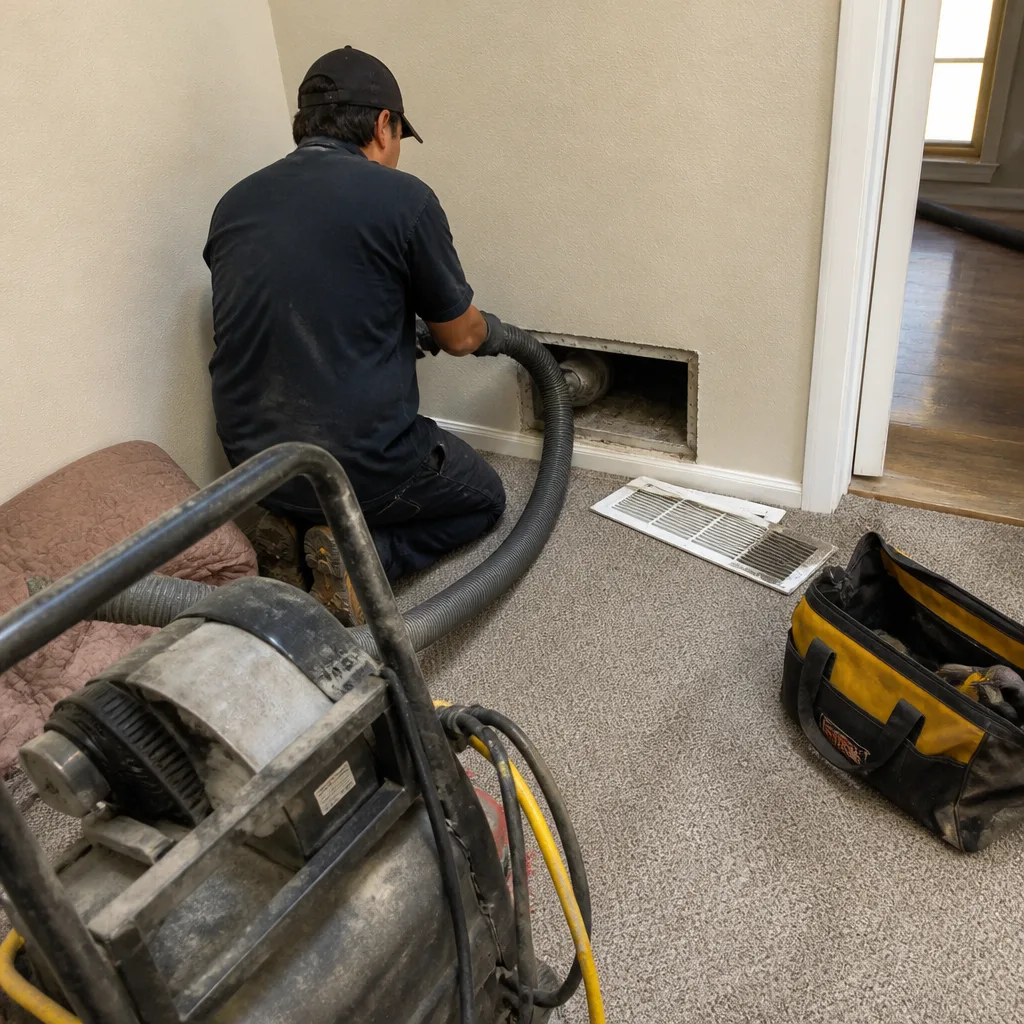 Before
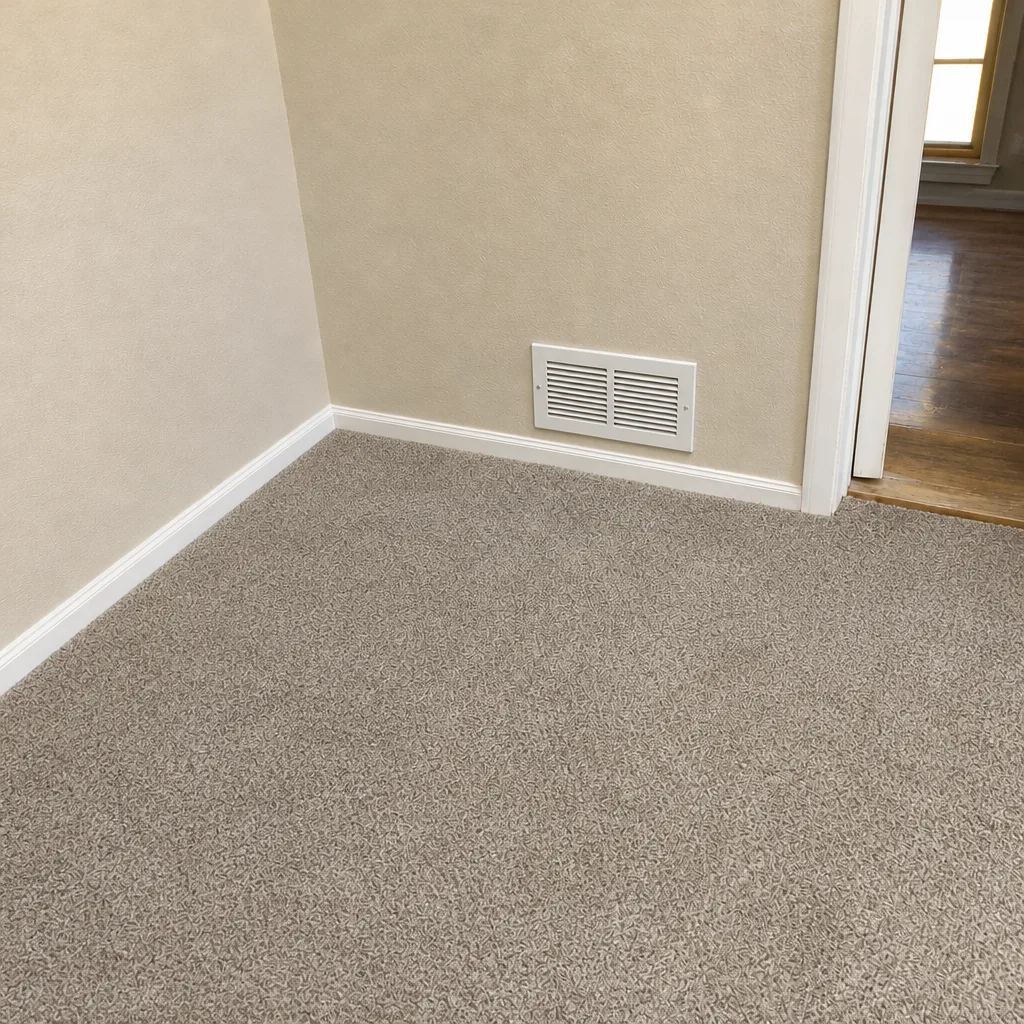 After
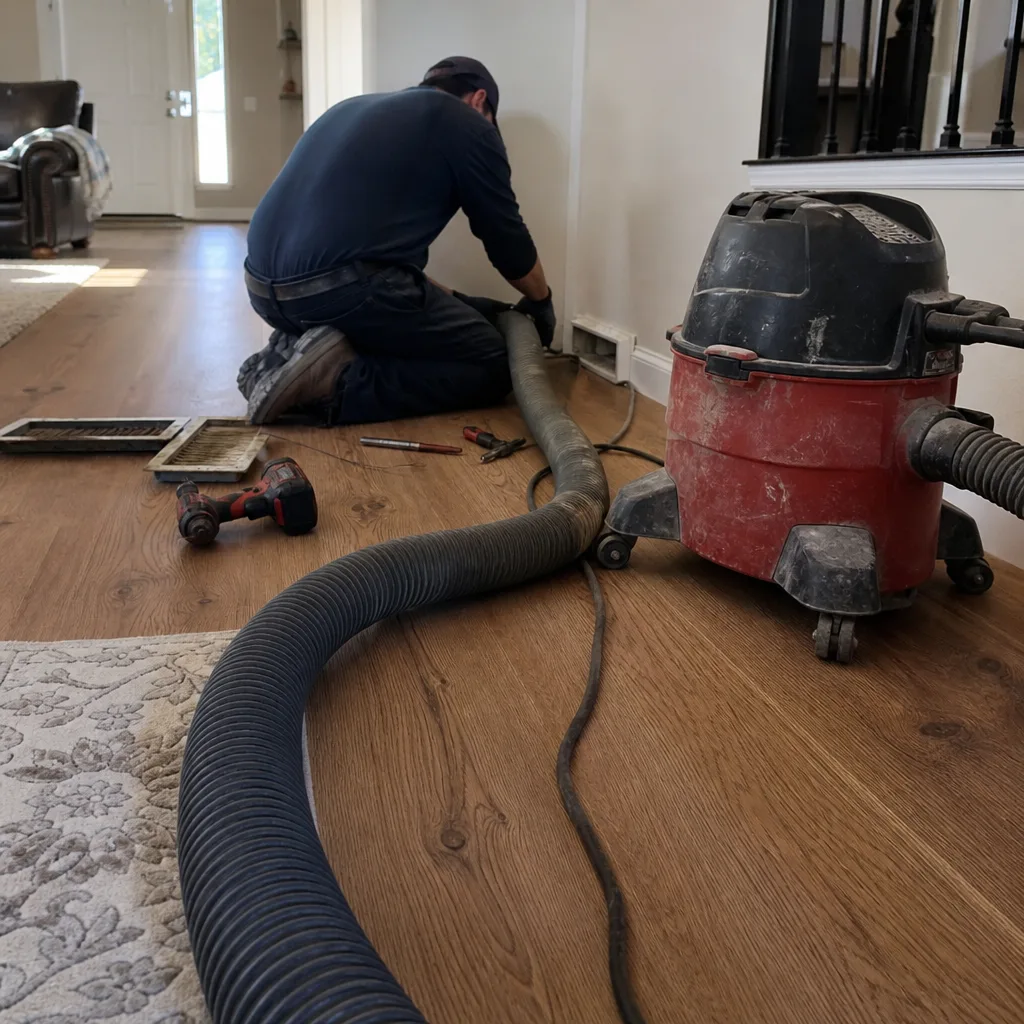 Before
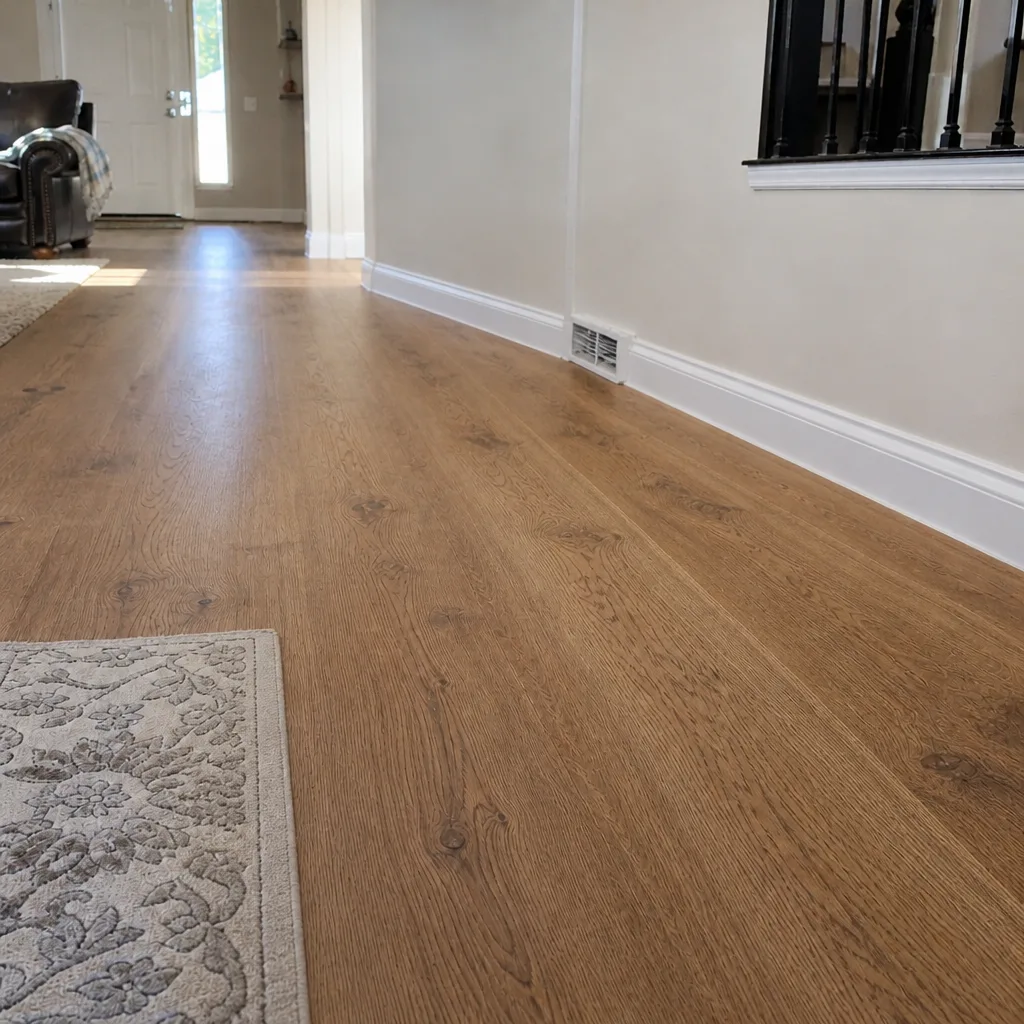 After
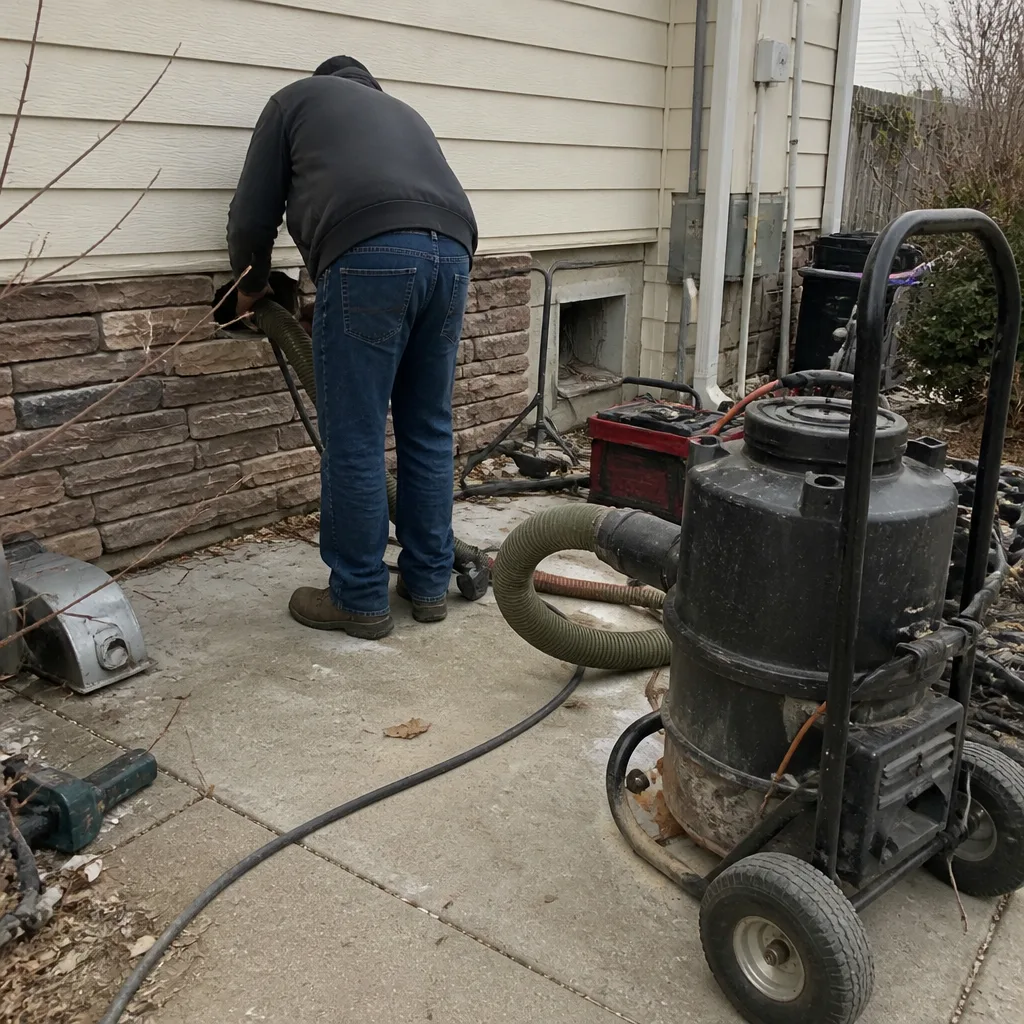 Before
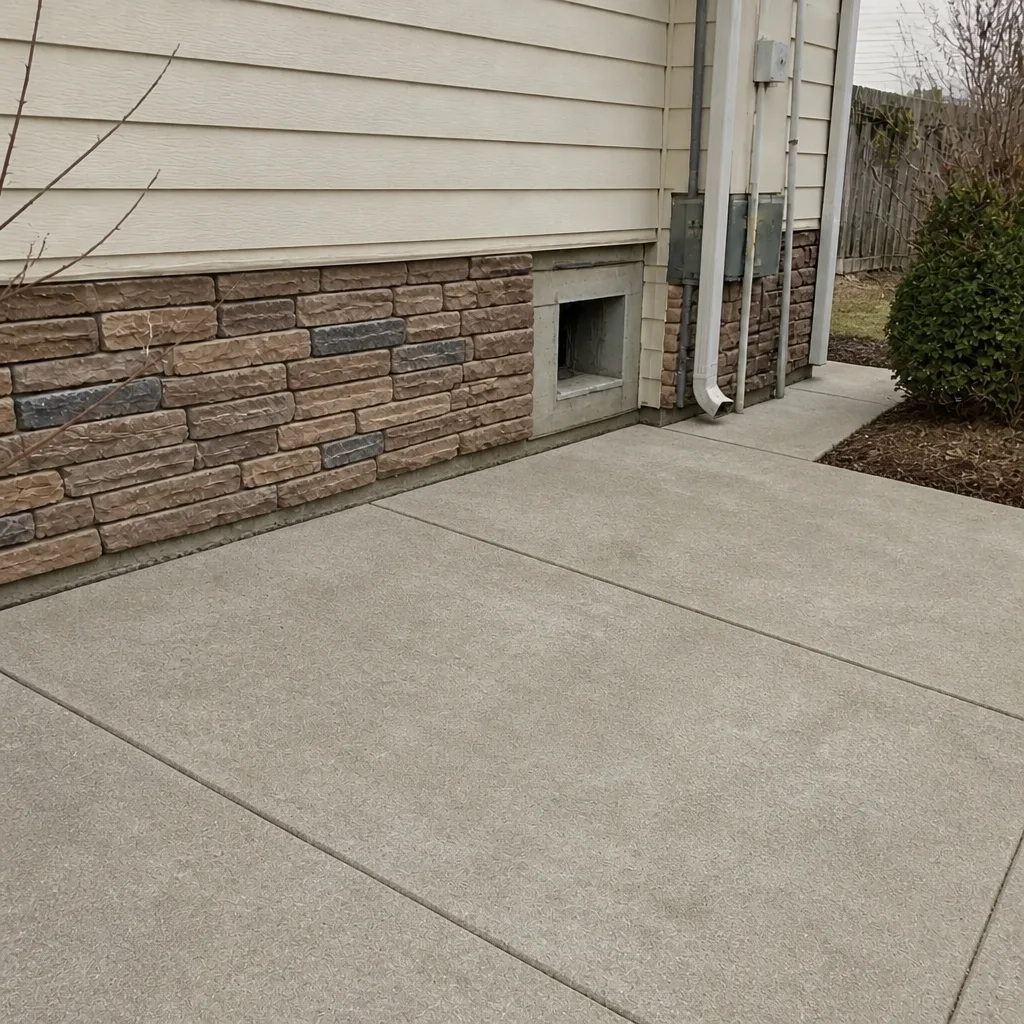 After
When to Call a Professional
Call us when smoke has been inside the house and the system was running during the event. Call when crawlspace floodwater has receded and you don’t know whether flex duct took on moisture. Call if you smell musty air when the HVAC kicks on after a flood. Call if a load of laundry is taking longer to dry than usual. Call if your whole-home air-quality accessory (Honeywell, Aprilaire) is behaving oddly after any of the above.
Duct Cleaning Thornton offers free estimates in Thornton. Our technicians have up to 12 years of experience, and we run professional Rotobrush rotary-brush systems and Nikro HEPA vacuums with Abatement Technologies containment. We also repair duct sections we find damage in, so a compromised branch doesn’t need a second contractor. Call (888) 495-2236. We answer 24/7. Fast dispatch from 7am to 7pm, Sunday through Friday.
Frequently Asked Questions
Wait until outside air quality has cleared and you’ve documented the conditions, then schedule an inspection and cleaning within the first few weeks. The contamination settles in the first few days and doesn’t move much after that. Waiting months isn’t an emergency, but sooner is better while the residue is still loose and easier to remove.
Post-emergency cleaning is priced per system, by written estimate, after a camera inspection. The scope is what changes the price: if containment is required, if a flex duct section needs repair, or if a branch has to be replaced, the estimate reflects that. We don’t quote a teaser coupon price and we don’t quote per-vent. Call (888) 495-2236 for an exact quote. Estimates are free.
Cheap quotes usually skip the inspection, skip containment, or price per vent and count only the registers you can see. A post-emergency cleaning without a camera assessment is essentially a surface sweep. The inexpensive number often becomes a much larger invoice once the technician is on-site and “discovers” the actual scope. Insist on a written scope before authorizing work.
Ask for before-and-after photos of your own ducts, not stock images. Ask for the camera verification run at the end of cleaning. A company confident in its work will provide both without being asked. Ask before having them on-site.
Only if you’ve confirmed the system is fully recirculating and has no fresh-air intake. Running the fan on “on” with an open fresh-air intake pulls outside smoke in more continuously than auto mode does. If you’re not sure about your intake setup, shut the system off entirely during hazardous air quality.
It depends on the scope. Ask your city’s building department before the work is scheduled. Small repairs to flexible duct sections typically don’t require a permit, while a larger duct modification or system change may. The written estimate should spell out what’s being done.
The Bottom Line
The three moves that matter in a Thornton smoke or flood event are: run the HVAC correctly or shut it off, document before you clean, and insist on inspection-first post-event cleaning. The equipment that does the work needs to be HEPA-rated and the containment needs to hold debris in the work zone. We run Rotobrush and Nikro systems with Abatement Technologies containment because post-event work is not the time for a shop-vac and a promise. If your Honeywell or Aprilaire system needs a compatible crew, that’s us. If you just need a check, call (888) 495-2236. Estimates are free. We answer 24/7.
Written by the team at Duct Cleaning Thornton.