
Last updated November 15, 2026
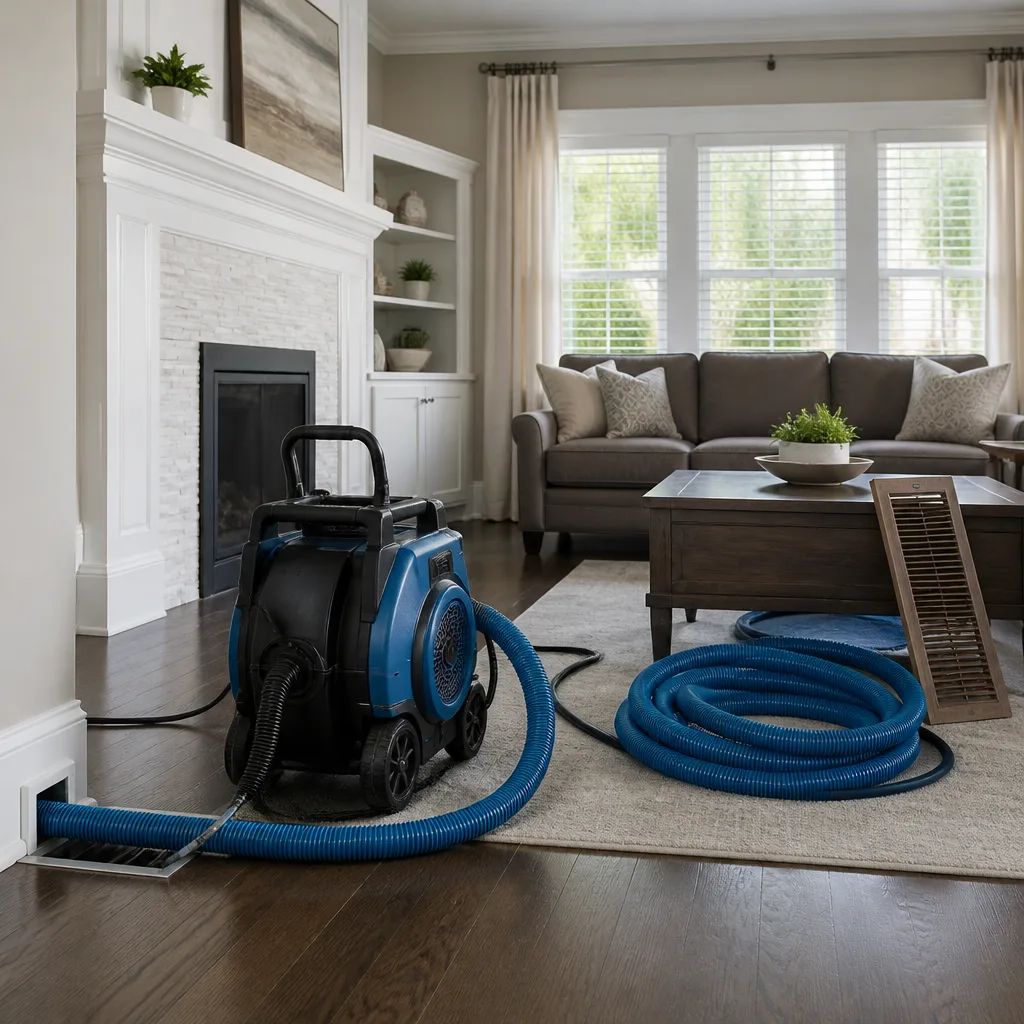 Whole-home duct cleaning
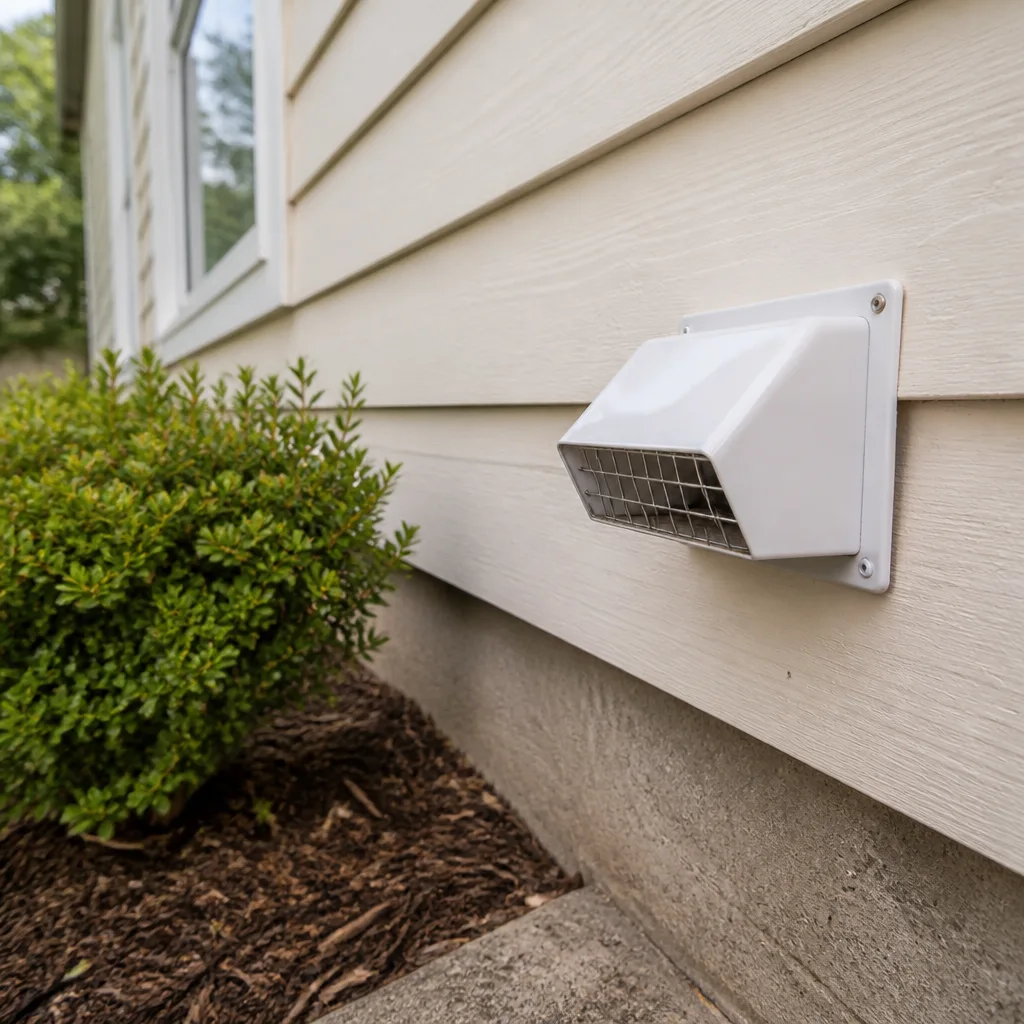 Dryer vent cleaning
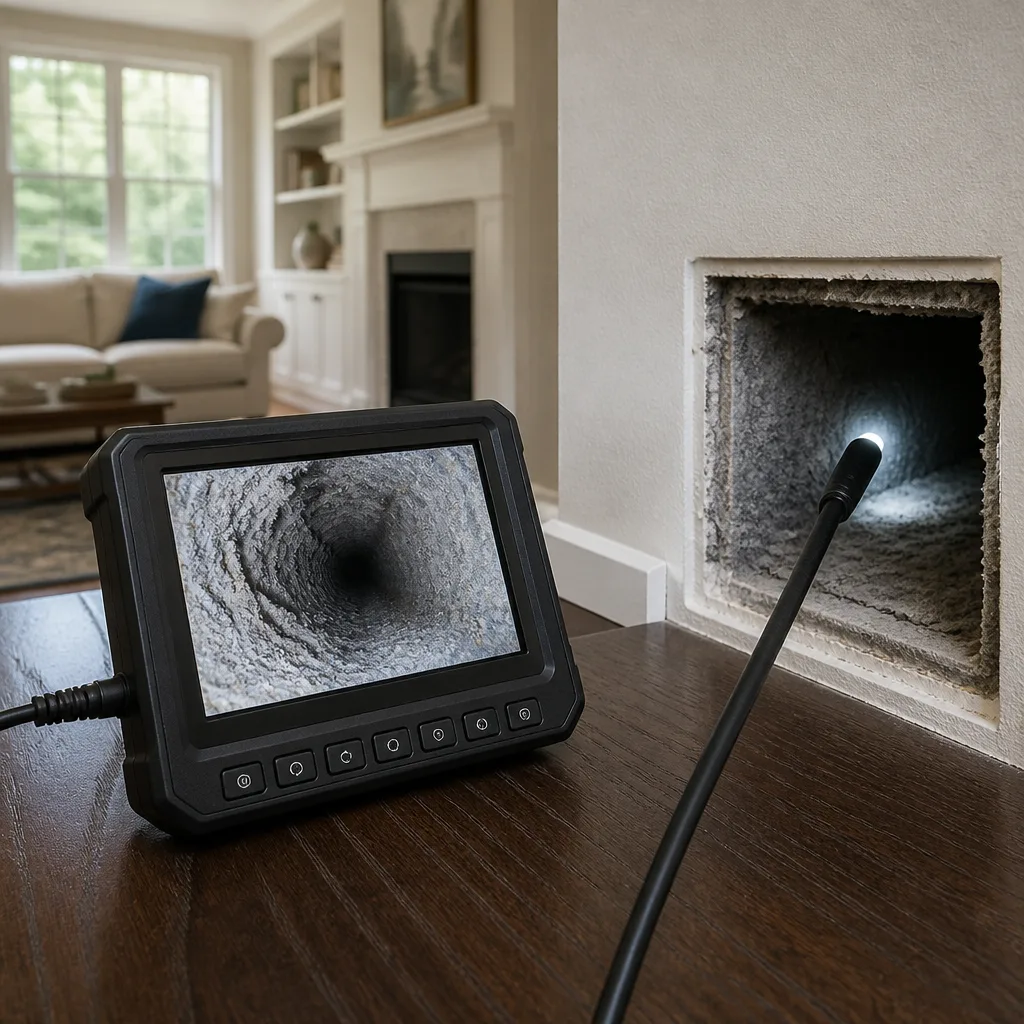 Camera inspection
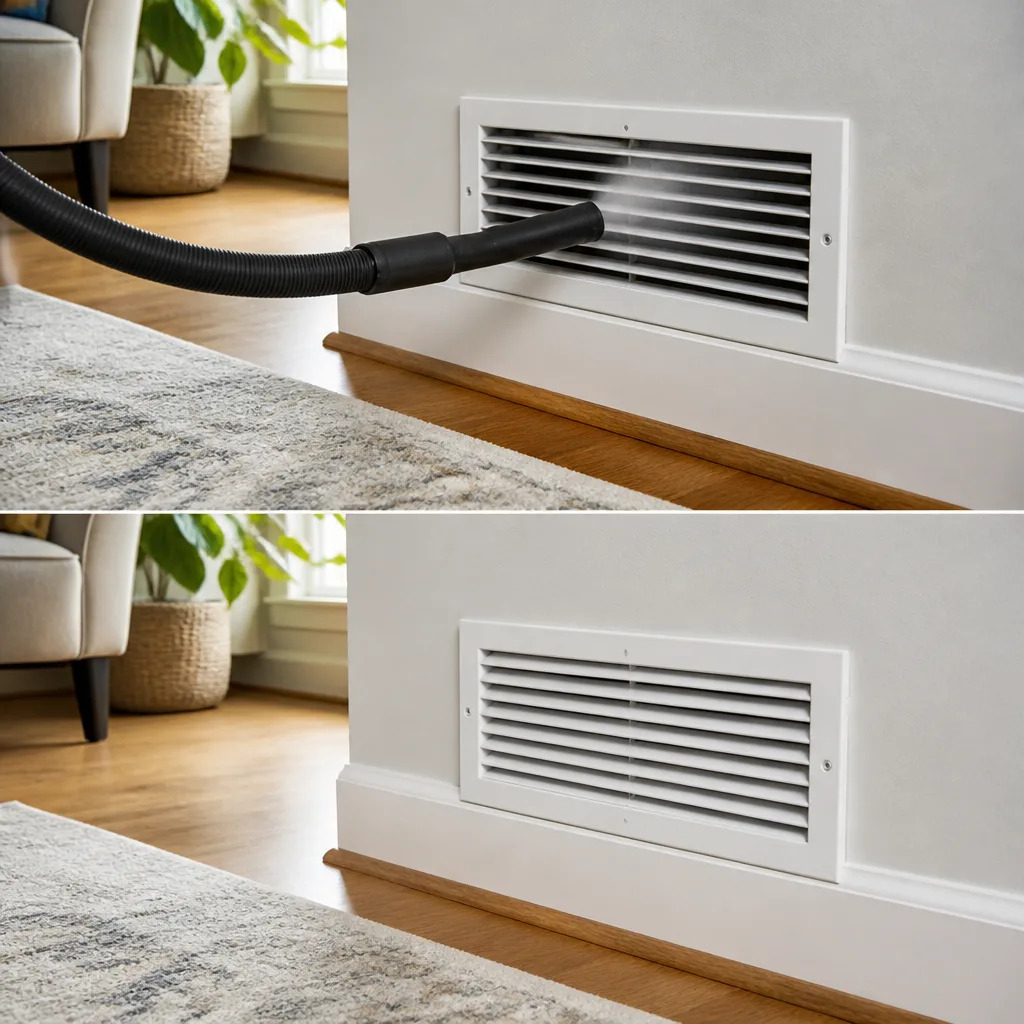 Sanitizing & deodorizing
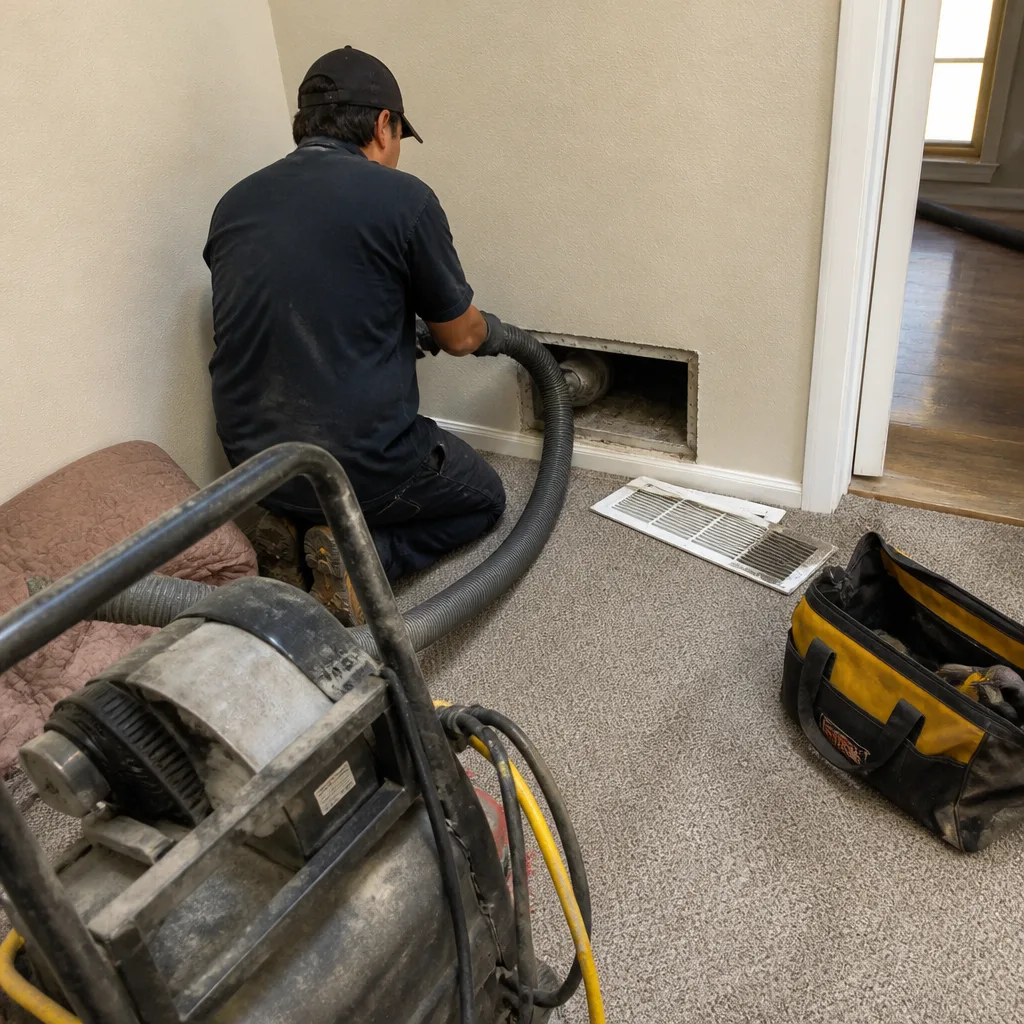
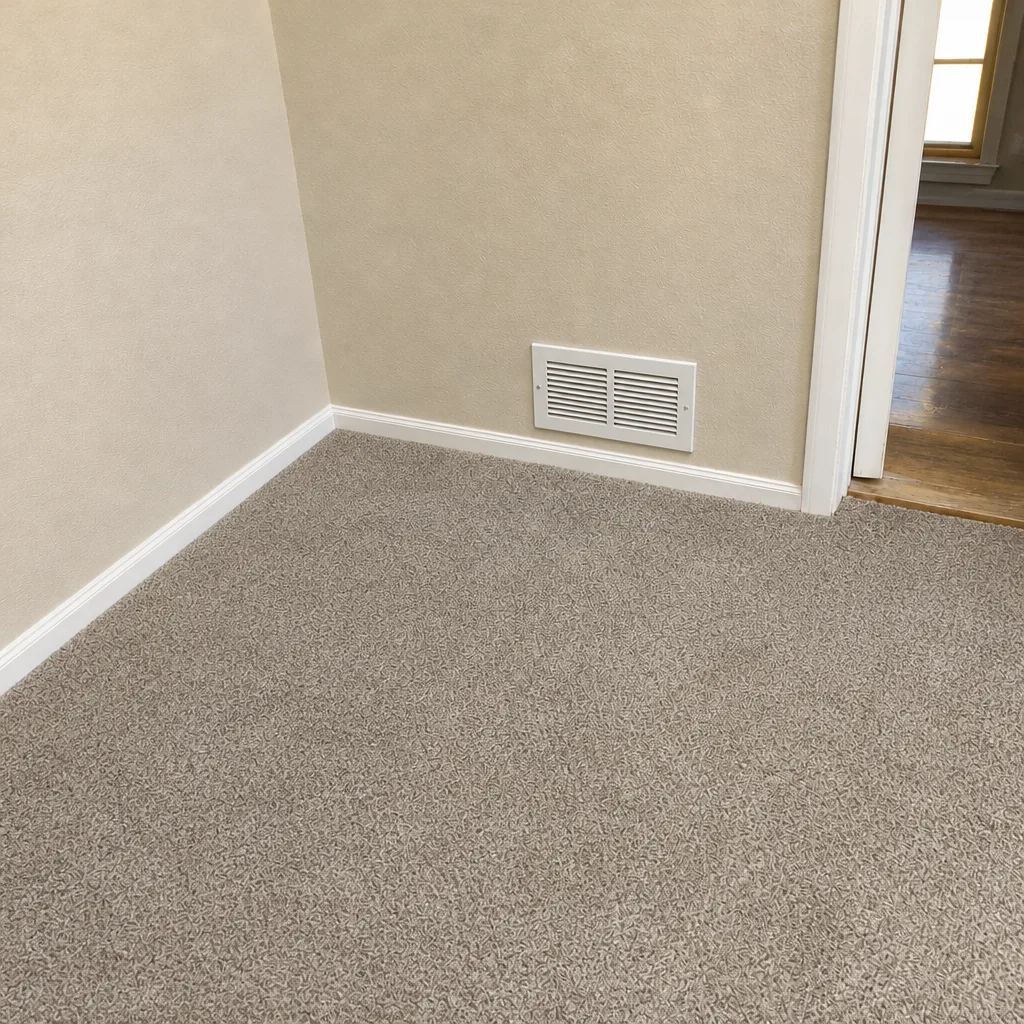
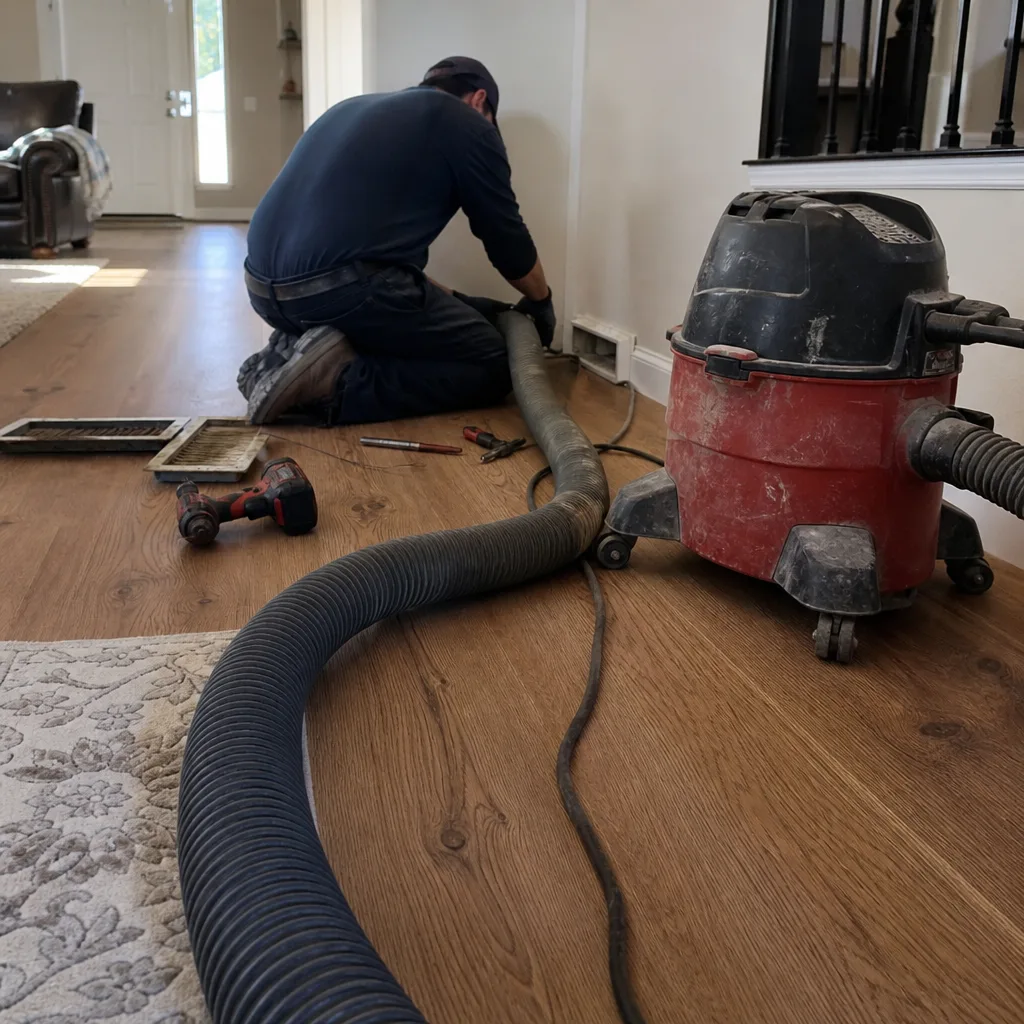
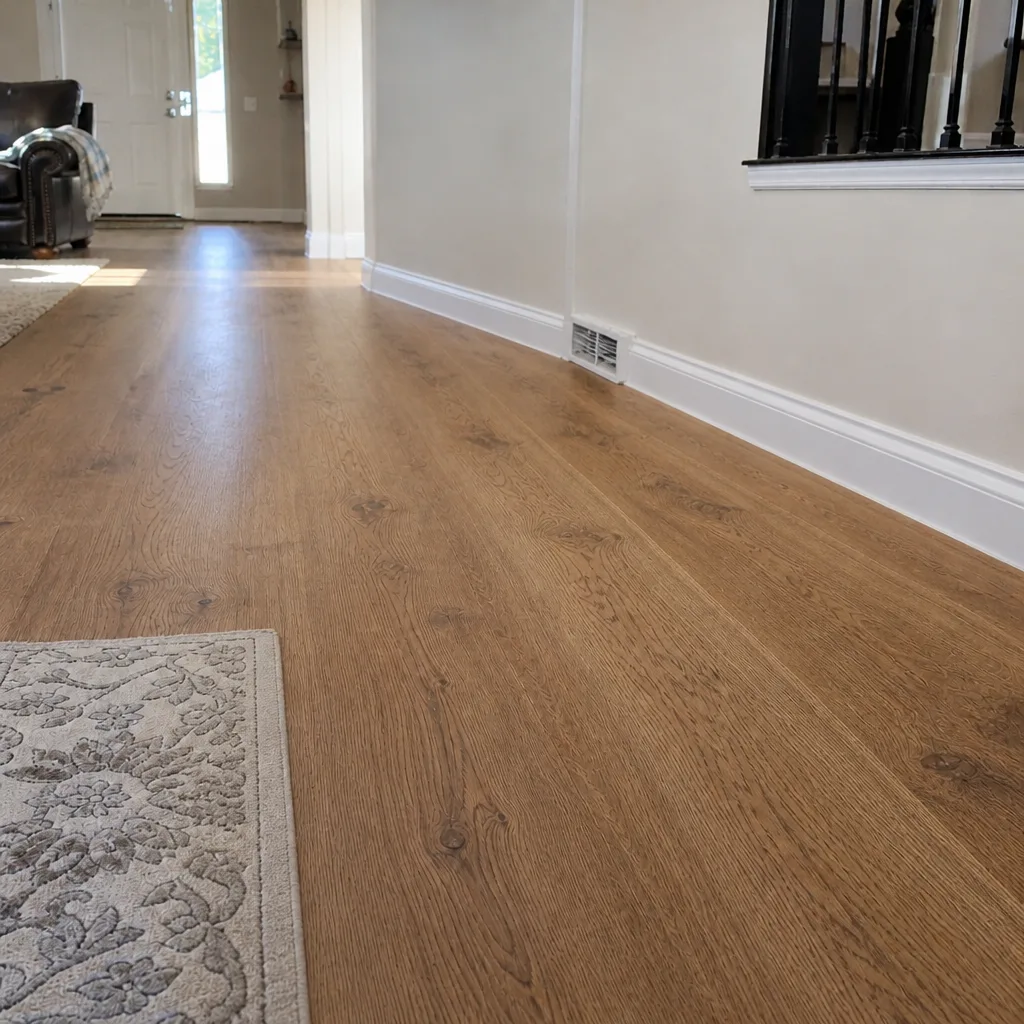
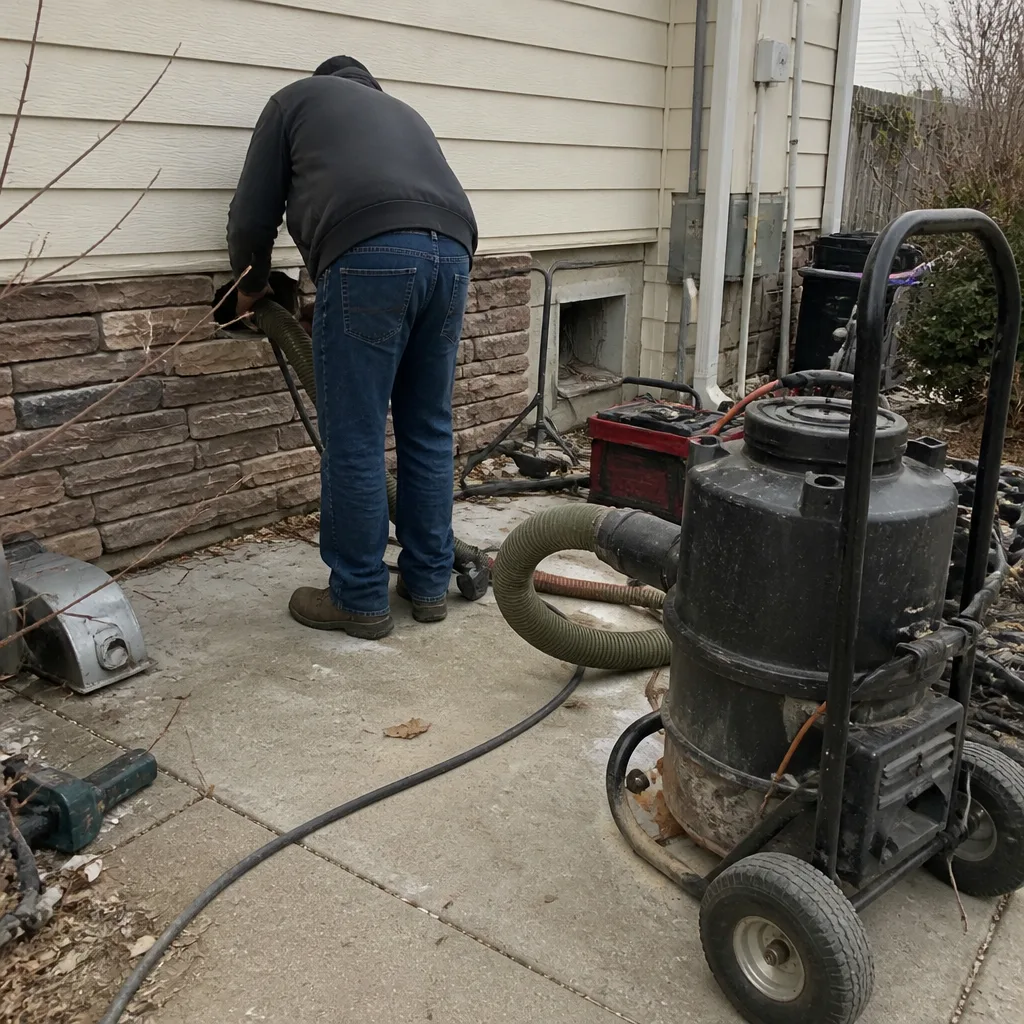
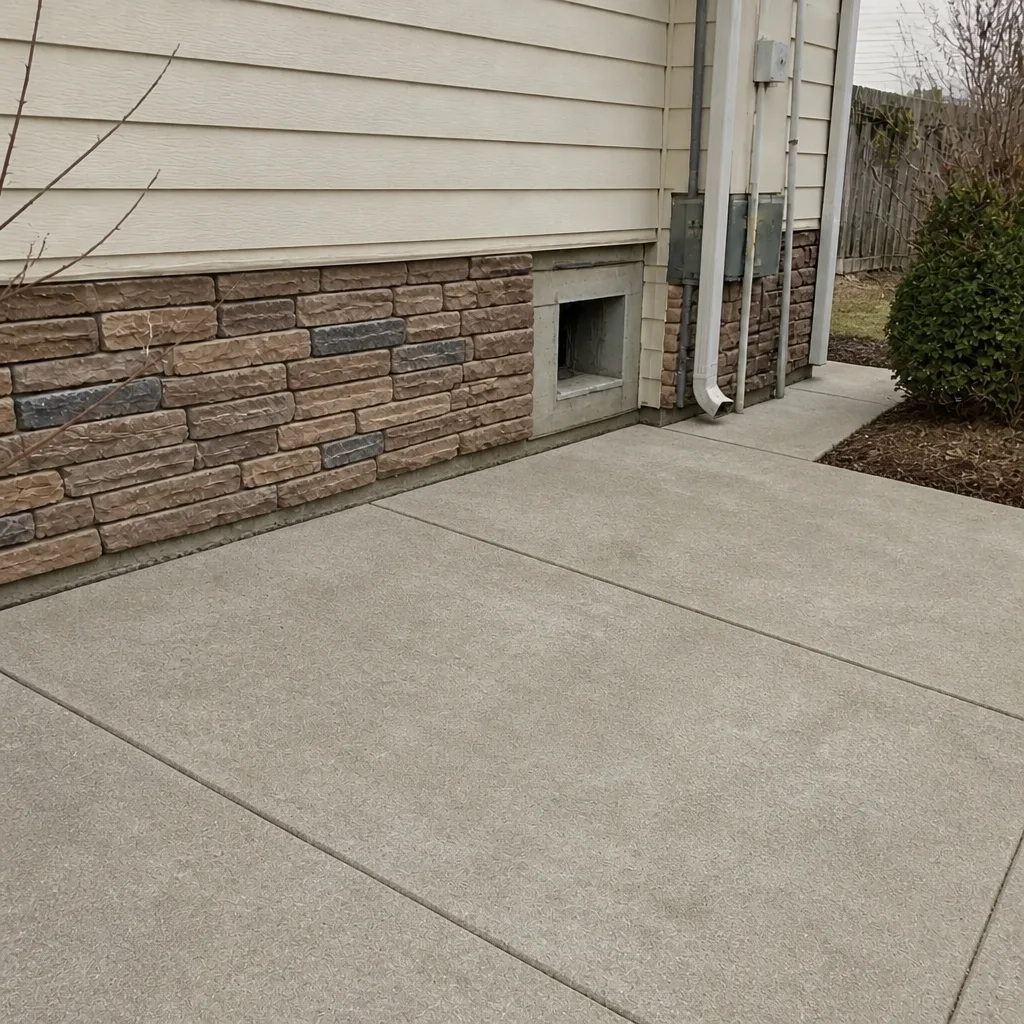
Whole-system duct and dryer vent check with before-and-after photos - you see exactly what came out of your vents
That "$99 whole-house special" is a bait ad - the real number appears once they are in your hallway, or the "clean" is a shop-vac at the register. We photograph the inside of your ducts before and after instead.
Choosing the Right Air Duct Cleaning Brand: A Buyer’s Guide for Thornton
Any contractor can claim they use “professional equipment.” Almost none of them will tell you the brand, the model, and the airflow rating before you book, because most of them can’t. Consumer-grade vacuums and a rotating brush attachment from a home improvement store fit in the back of any pickup, and the difference between that and a genuine duct cleaning system isn’t visible in a quote. It’s visible in the brand names on the machine. This guide is about how to read those names, how to verify them, and how to tell a serious operator from a van crew promising a price that sounds too good to be true. It’s written for Thornton homeowners who’d rather ask the right questions before booking than find out afterward what they paid for.
Quick Answer
The right air duct cleaning brand in Thornton is one that can name its equipment, show you the manufacturer, and explain how the system captures debris rather than recirculating it into your home. Professional systems from Rotobrush, Nikro, and Abatement Technologies are built for HVAC and restoration contractors and are not sold at retail. If a company can’t tell you which machines it uses, that silence is the answer.
Styles & brands we work with
- Whole-home duct cleaning
- Dryer vent cleaning
- Camera inspection
- Sanitizing & deodorizing
Table of Contents
- Why the Equipment Brand Is the Most Verifiable Signal
- What Rotobrush, Nikro, and Abatement Technologies Actually Are
- How to Verify Equipment Claims Before You Book
- Truck-Mounted vs. Portable Negative-Air Systems
- Why Equipment Brand Correlates With Training Investment
- How the Equipment Is Maintained (The Question Nobody Asks)
- Matching the Service to Your Home: Honeywell, Aprilaire, and Duct Repair
- Common Mistakes to Avoid
- When to Call a Professional
- Frequently Asked Questions
- The Bottom Line
Why the Equipment Brand Is the Most Verifiable Signal
Most of what a duct cleaning company tells you about itself can’t be checked. “Experienced,” “thorough,” and “professional” are adjectives, not facts. The equipment brand is different. It’s a fact you can verify in about ten minutes with a manufacturer’s website and a phone call. That’s why it matters more than any review or coupon.
The reason is capital. A Rotobrush rotary-brush system, a Nikro HEPA-rated vacuum, or an Abatement Technologies negative-air unit represents a real upfront investment, plus ongoing maintenance, filter replacements, and the training to run them correctly. None of those machines are sold at a hardware store or available on a consumer financing plan. A company that has committed to that equipment is making a bet that it will still be operating when the machine wears out. A company running a shop-vac and a brush kit isn’t making that bet at all.
In our experience around Thornton, the correlation is strong. Companies that invest in equipment also tend to invest in process, because the equipment only pays off when it’s used correctly. And the failure mode you’re trying to avoid, a technician who runs a vacuum hose over the registers and calls it a cleaning, isn’t something you can detect from the driveway. The brand name is the closest thing to a receipt you’ll get before the work starts.
What Rotobrush, Nikro, and Abatement Technologies Actually Are
These are not interchangeable names, and knowing what category each belongs to tells you what the company is set up to do. Here’s the breakdown:
- Rotobrush is a rotary-brush cleaning system designed for residential HVAC ductwork. The rotating brush head mechanically agitates dust and debris off the interior walls of the duct, while a vacuum pulls the loosened material into a collection unit. It’s the system that made residential duct cleaning viable at scale, and it’s the standard many professional duct contractors specify by name.
- Nikro manufactures HEPA-rated vacuum and negative-air equipment used in duct cleaning, restoration, and abatement work. HEPA-rated filtration means the machine captures fine particulate at the exhaust rather than blowing it back into the room. This is the category that separates a real containment setup from a hollow claim of thoroughness.
- Abatement Technologies builds commercial-grade negative-air and HEPA-filtration units for remediation and containment work. These machines are normally specified on jobs where contaminants must be contained, not just vacuumed. Bringing that equipment into a residential cleaning means debris displaced inside the system has somewhere to go besides your living room.
Guardsman also makes air-quality equipment that shows up in residential duct work, and Honeywell and Aprilaire whole-home systems are common in Thornton homes. When a crew can name these systems and knows how they integrate, you’re dealing with a technical operator, not a generalist with a van. That’s why we run Rotobrush and Nikro systems and Abatement Technologies filtration on standard residential jobs, not just the dirty ones. The equipment category is the point, not the brand logo.
How to Verify Equipment Claims Before You Book
You don’t have to take a company’s word for its equipment. Here’s how to actually check, in about the time it takes to make coffee:
- Ask for the brand and model before you schedule. A serious operator will answer without hesitation. If the response is vague (“we use the best equipment on the market”), that’s a data point. Ask what the vacuum exhaust filtration rating is, and what capture method the rotating brush uses.
- Look up the manufacturer. Rotobrush, Nikro, and Abatement Technologies all have public websites with product pages. You can see what the equipment actually does, and in some cases find dealer or contractor locators. Cross-check what you were told.
- Ask what happens to the debris. A real answer involves collection tanks, HEPA filtration at the exhaust, and usually a negative-air setup to keep the work area depressurized. A vague answer about “vacuuming it out” tells you the capture step hasn’t been thought through.
- Ask about the crew. Who runs the equipment, and what training do they have? A company that has invested in Rotobrush and Nikro gear typically has also invested in the people who use it.
- Ask for before-and-after documentation. A crew that’s proud of its equipment usually photographs what it finds and what it leaves behind. That’s a reasonable request to make before you book.
If you’d rather skip the interview, you can always call (888) 495-2236 and ask us directly. We answer 24/7. Fast dispatch from 7am to 7pm, Sunday through Friday. The estimate is free and the equipment question isn’t one we dodge.
Truck-Mounted vs. Portable Negative-Air Systems
There’s a real distinction here that marketing copy tends to blur. Both setups exist for good reasons, and which one is right depends on the home.
Truck-mounted systems place the main vacuum unit in the vehicle and run a hose into the house. They produce strong continuous airflow and don’t take up floor space in the home, which matters in smaller or fully furnished rooms. The limitation is hose length and access: the truck has to be within reach of the furthest duct run, and the hose routing can limit which parts of the system you can reach efficiently.
Portable negative-air systems place the vacuum and filtration unit near the work area, often with HEPA filtration at the exhaust. They’re more flexible in tight layouts, upstairs bedrooms, and homes where a hose run isn’t practical. The trade-off is that you have to move the equipment, and the filtration stage has to be maintained properly for it to work.
For a typical Thornton home, the duct layout often favors a mixed approach: truck-mount where access allows, portable negative-air where it doesn’t. A company running only one type is telling you something about its range. A company running Rotobrush and Nikro equipment with Abatement Technologies containment units can adapt to either. The right question to ask is simply: “Which system will you use at my house, and why?”
Why Equipment Brand Correlates With Training Investment
Equipment you can’t run correctly is a liability. A rotary brush with the wrong head or speed can damage flex duct. A HEPA vacuum with a clogged filter is a shop-vac with a nicer sticker. The reason brand and training correlate is simple: a company that spent real money on the machines is motivated to protect that investment with competent operators.
In practice, contractors who buy professional-grade duct equipment tend to send their technicians through recognized coursework, including programs from NADCA, the National Air Duct Cleaners Association. NADCA publishes standards for how residential duct cleaning should be assessed and performed, and the coursework tracks those standards. Our technicians have up to 12 years of experience, and the equipment they run is the professional standard, not a consumer substitute. That’s the shape of the correlation: capital commitment on one side, training discipline on the other.
What this means for you as a buyer is that the equipment question doubles as a training question. When you ask “what machines will you use?”, you’re also learning whether the crew has been taught to use them properly. If a company’s answer is confident on both, you’re probably in good hands.
How the Equipment Is Maintained (The Question Nobody Asks)
Two companies can run the exact same Nikro vacuum and deliver very different results, because maintenance is where equipment quality either survives or disappears. Dirty collection units, worn brush heads, and unserviced filters all compromise the outcome regardless of the brand on the side.
A few specific things to ask:
- How often is the collection tank emptied and cleaned, and is that between jobs or between rooms?
- How often are the HEPA filters replaced, and how does the technician know when they’re past their useful life?
- Are the brush heads inspected before each job, and how often are they replaced?
- Is the negative-air equipment tested for airflow, or just turned on and assumed to be working?
None of these are aggressive questions, and a serious crew won’t treat them as such. A good answer references routine maintenance and a written process. A vague answer suggests the equipment is decoration. The safe way to frame this for a homeowner is that maintenance is the difference between hiring a machine and hiring a company that runs one.
Matching the Service to Your Home: Honeywell, Aprilaire, and Duct Repair
Many Thornton homes have premium air-quality accessories installed, and those systems interact with whatever cleaning or repair work gets done. Honeywell and Aprilaire whole-home humidifiers, media filters, and air cleaners are common in this market, and they have specific requirements for filter replacement and bypass operation during duct work.
If you have one of these systems, ask the crew two things before booking: can they identify the model, and will they reset or verify the accessory after cleaning? A crew that knows Honeywell and Aprilaire components can integrate the work with your existing setup rather than working around it. A crew that doesn’t may leave a bypass damper in the wrong position or contaminate a media filter during the job.
The other thing worth knowing is that cleaning is only part of the work. Ductwork can be damaged, disconnected, or poorly sealed. When that’s discovered during the cleaning, a company with a repair scope can fix it on the spot. We also repair what we find, which means the visit covers the full air pathway rather than just the cleaning step. Cleaning, dryer vent clearing, and structural duct repair in a single visit is the scope a home actually needs. That matters more in a city like Thornton where home ages and HVAC configurations vary widely from neighborhood to neighborhood.
Common Mistakes to Avoid
- Booking on price alone. The cheapest quote is often a coupon price that grows once the technician is on site. Ask what the flat price per system is and get it in writing, before you agree to anything.
- Skipping the equipment question. Any company can say “professional equipment.” Ask for the brand and model. If they can’t name it, they probably don’t own it.
- Assuming all quotes are for the same scope. Per-vent pricing and whole-system pricing are not the same thing. Confirm the scope in writing, including which parts of the system are covered.
- Letting the crew work around premium HVAC gear. If you have a Honeywell or Aprilaire system, ask how the work will integrate with it. Work done without awareness of these components can leave them out of spec.
- Overlooking the dryer vent. Dryer vents are a fire risk, not a footnote, and they’re part of the same air-pathway maintenance a home needs. If a company doesn’t offer dryer vent cleaning, ask who they’d recommend.
- Treating duct repair as a separate phone call. Damaged ductwork discovered during a cleaning should ideally be repaired by the same company in the same visit. A second contractor and a second appointment is where projects stall.
- Ignoring your own documentation. Before-and-after photos of your ducts are a reasonable request, and they tell you whether the work was actually done.
If you’re in Thornton and want a second opinion on a quote you’ve already received, that’s a reasonable thing to ask for. Our estimates are free.
When to Call a Professional
Duct cleaning isn’t an emergency, which means most homeowners book it when something pushes the question to the top. Common prompts include a recent renovation where drywall dust disappeared into the returns, a new home with an unknown HVAC history, seasonal allergies that seem worse indoors than out, or a dryer that’s taking two cycles to finish a load. Visible dust at the registers and a musty smell when the system kicks on are both worth a phone call.
If you’ve already had a cleaning done by a low-bid operator and you’re not convinced the work happened, that’s also a reason to call. A second visit with real equipment and before-and-after documentation tends to settle the question.
Duct Cleaning Thornton offers free estimates in Thornton. Call (888) 495-2236. We answer 24/7. Fast dispatch from 7am to 7pm, Sunday through Friday.
Frequently Asked Questions
Pricing depends on the size and configuration of the system, so the honest answer is that you need an estimate. What matters more than the number is how it’s structured: one flat price per system, agreed before work starts, with no per-vent pricing that grows as the technician counts registers. We don’t quote a per-vent figure or a teaser coupon price. Call (888) 495-2236 for an exact quote – estimates are free.
Because the work isn’t the same work. A very low quote usually reflects consumer-grade equipment, no HEPA-rated containment, no filtration at the exhaust, and sometimes a brush that only reaches the first few feet of each run. A company running Rotobrush and Nikro systems with Abatement Technologies negative-air units has real capital on the line, and that shows up in the price. The lower number isn’t a bargain; it’s a different scope. Call (888) 495-2236 if you want to compare a quote you’ve received against what professional-grade equipment actually covers.
Ask for before-and-after photos of your own ducts and confirm that the contractor uses equipment with visible collection tanks and HEPA-rated exhaust filtration. A serious crew will document what it finds and what it leaves behind. If a company won’t provide that, treat it as a signal. Call (888) 495-2236 to book a visit with documentation included.
There’s no fixed calendar interval that fits every home. Homes with recent renovations, pets, allergy-sensitive occupants, or unknown HVAC history tend to need it sooner; homes with well-sealed systems and regular filter changes can go longer. The practical test is whether you’re seeing dust at the registers, smelling something musty when the system runs, or noticing worse indoor air than outdoors. Call (888) 495-2236 and we’ll walk through what applies to your house.
It depends on the layout. Many homes work well with truck-mounted equipment where hose reach allows, with portable negative-air systems used for sections a truck can’t reach efficiently. A crew with both options can adapt; a crew with only one will work around its limitation. Ask which system will be used at your house and why. Call (888) 495-2236 to discuss your layout.
Then the visit is the right time to fix it. Ductwork can be disconnected, crushed, or poorly sealed, and discovering that mid-cleaning is common. We offer duct repair as part of the same engagement, so the damaged section gets addressed without a second contractor or a second appointment. Call (888) 495-2236 for a free estimate covering cleaning, dryer vent clearing, or repair as needed.
The Bottom Line
You can’t check a company’s reputation from a coupon, and you can’t verify experience from a website. You can verify the equipment. Rotobrush, Nikro, and Abatement Technologies machines are real, they’re public, and the brand on the side tells you whether the company committed to the work before it arrived at your door. Ask for the brand, ask for the model, ask how the debris gets captured, and ask what happens if the crew finds damaged ductwork. Those four questions will tell you more than any advertisement. For duct cleaning in Thornton, we run professional-grade equipment and we also repair what we find. For air duct cleaning and dryer vent cleaning quotes, we’re a phone call away.
Contact
If you’ve read this far, you probably have a quote in hand and want a straight answer about what’s actually involved. Call Duct Cleaning Thornton at (888) 495-2236 for a free estimate. We answer 24/7. Fast dispatch from 7am to 7pm, Sunday through Friday. Only professional-grade Rotobrush and Nikro equipment, negative-air containment, and one flat price per system agreed before work starts. We also repair what we find, so the visit covers the whole air pathway.
Written by the team at Duct Cleaning Thornton.
See the difference
 Before
 After
 Before
 After
 Before
 After