
Last updated November 15, 2026
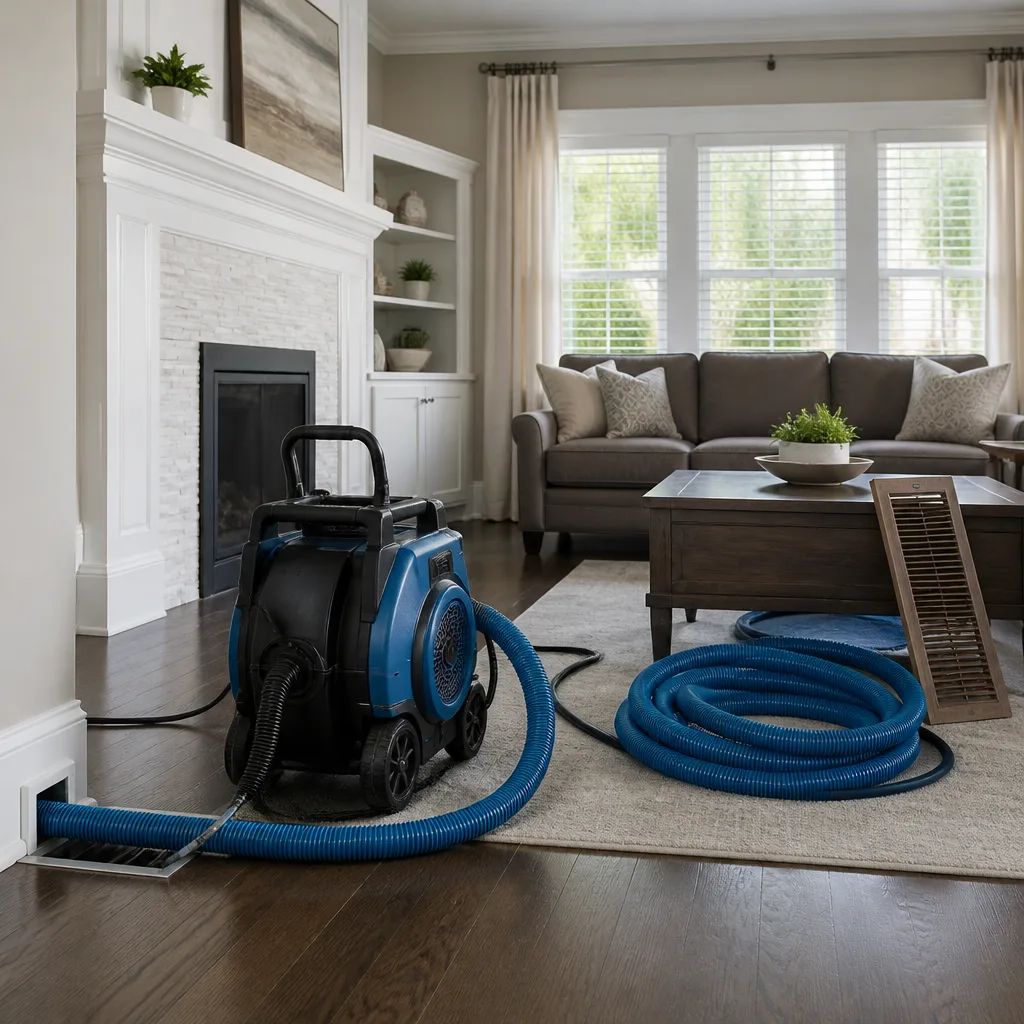 Whole-home duct cleaning
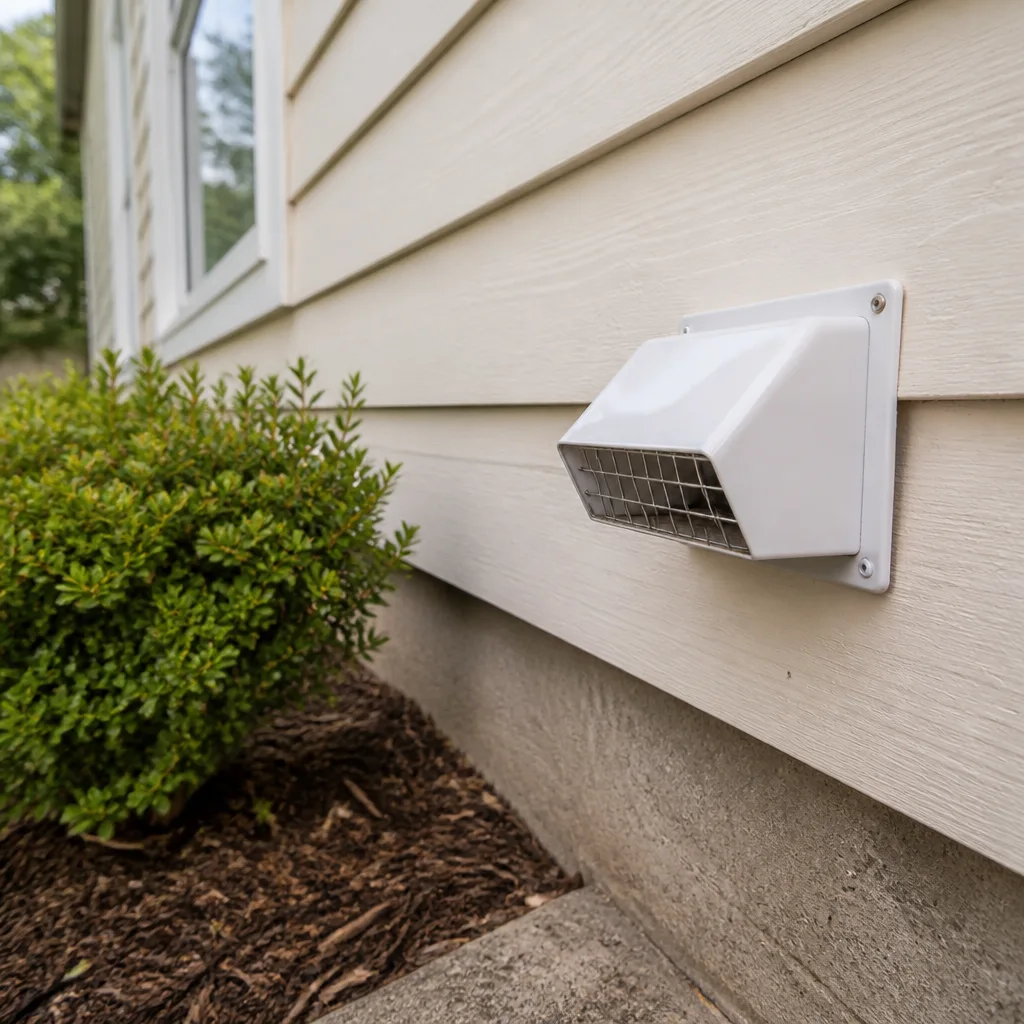 Dryer vent cleaning
 Camera inspection
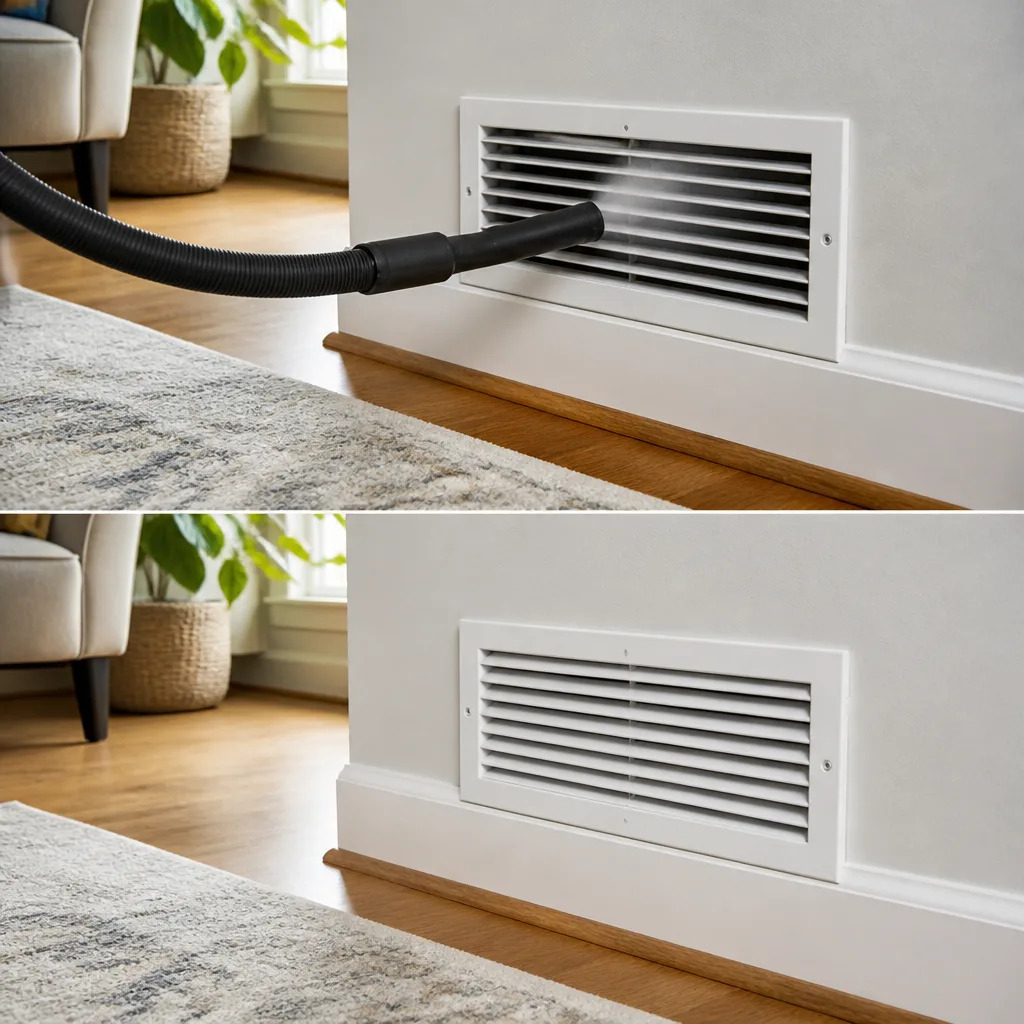 Sanitizing & deodorizing
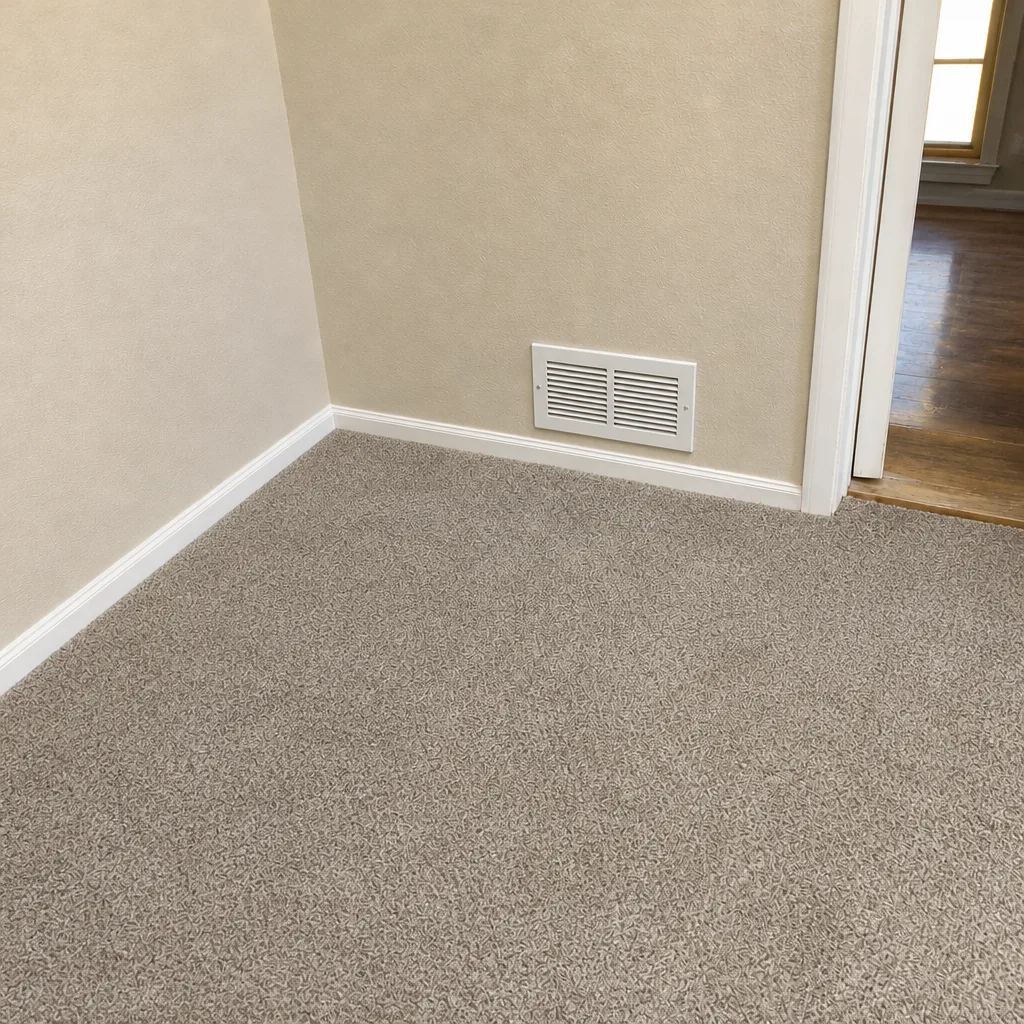
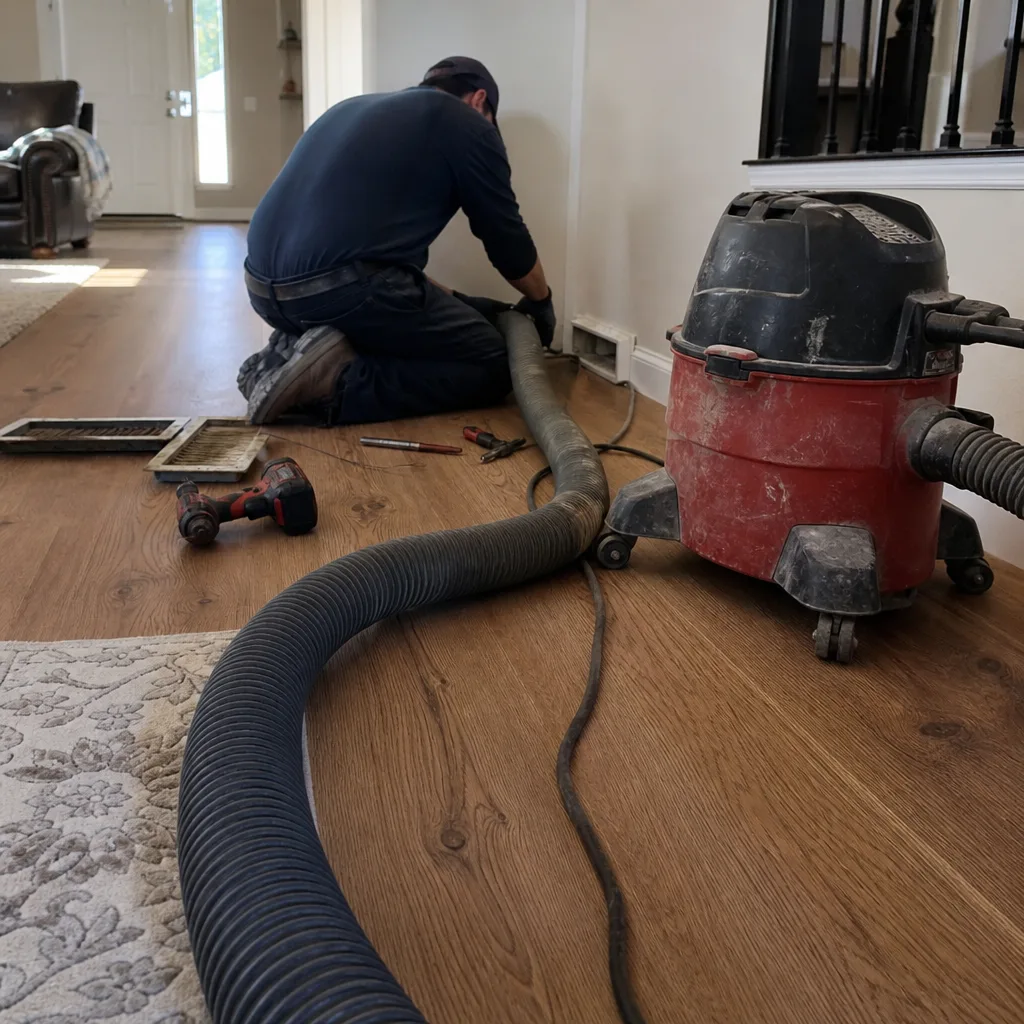
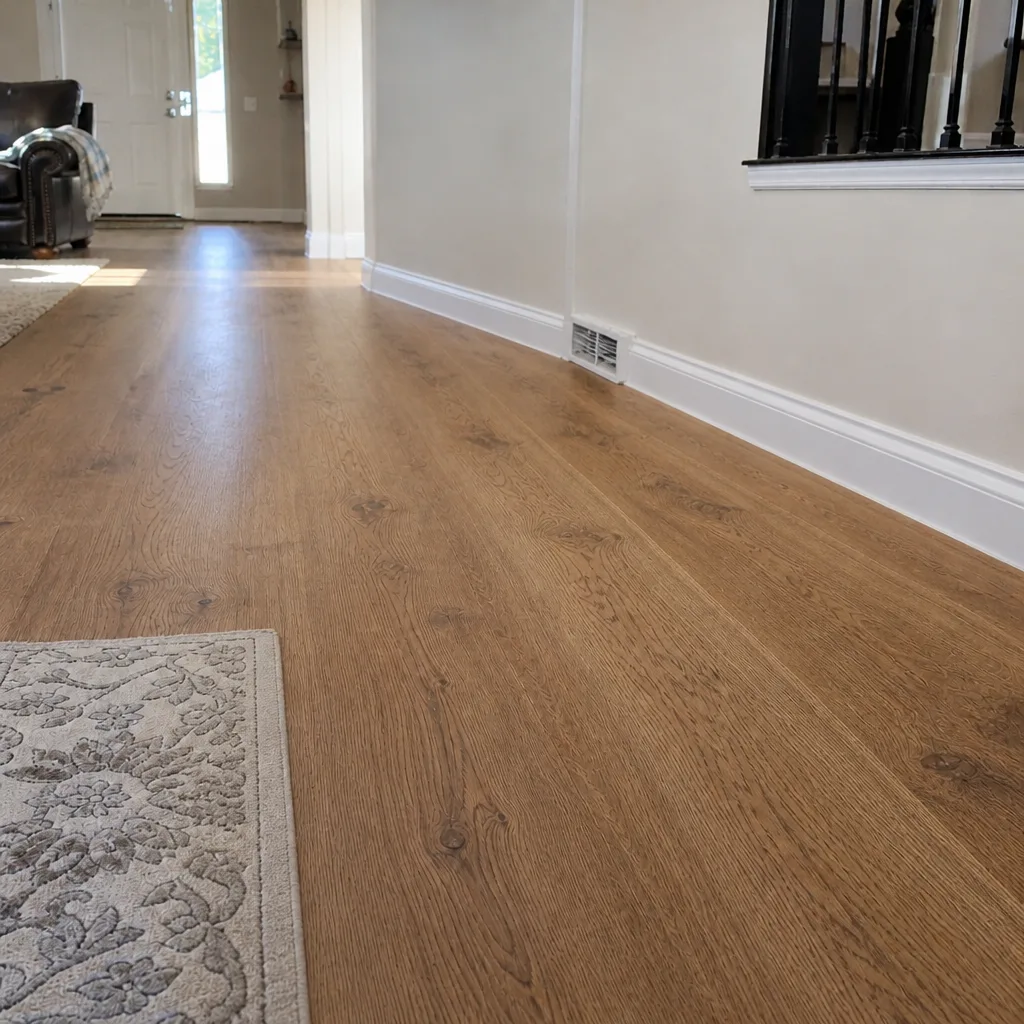
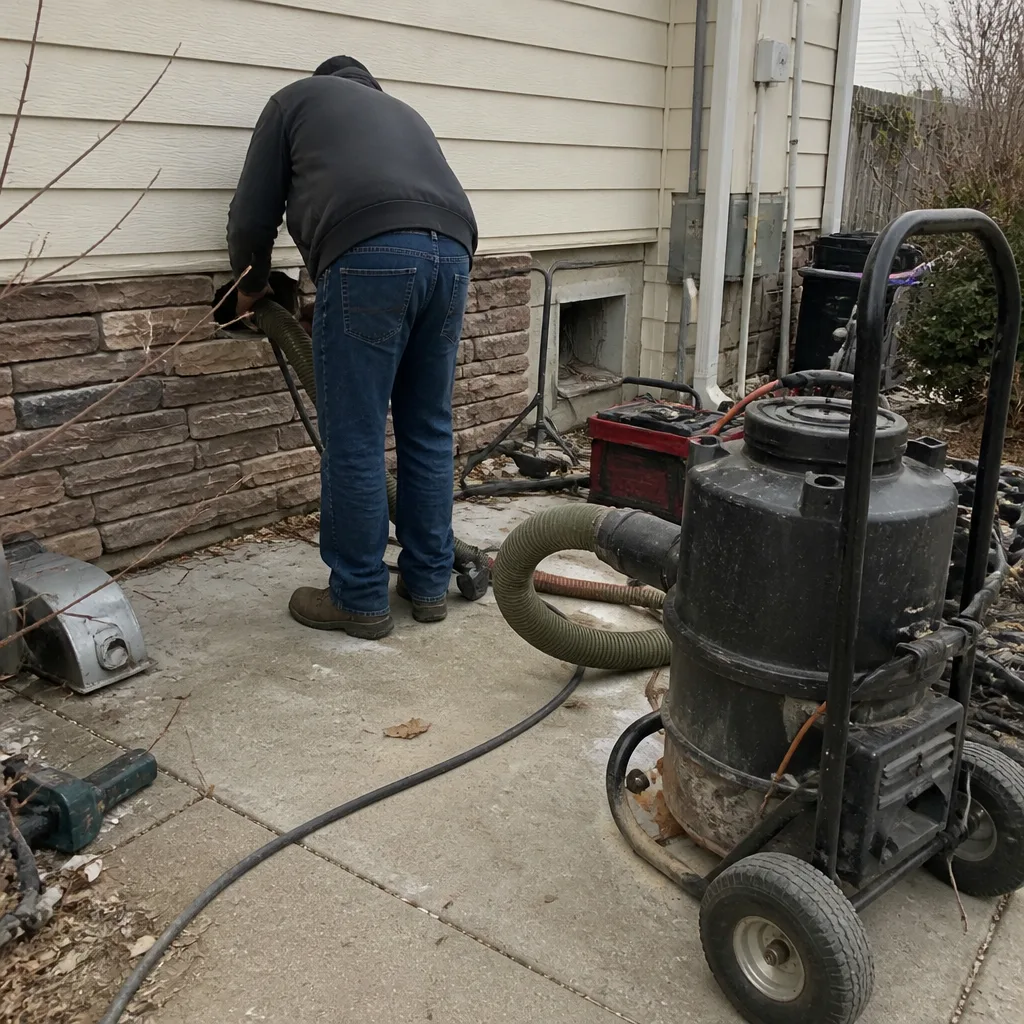
Whole-system duct and dryer vent check with before-and-after photos - you see exactly what came out of your vents
That "$99 whole-house special" is a bait ad - the real number appears once they are in your hallway, or the "clean" is a shop-vac at the register. We photograph the inside of your ducts before and after instead.
Seasonal Air Duct Cleaning Care for Thornton: Year-Round Homeowner’s Guide
Booking a duct cleaning in January because the calendar flipped is one of the most common scheduling mistakes we see. January is a clean-air month in Thornton. The dust storms haven’t started, wildfire smoke hasn’t arrived, and the furnace has been running steadily for weeks. Cleaning then means you’re resetting the system before the heaviest particulate load of the year, not after it. A duct cleaning is not an annual ritual tied to a date. It’s a response to what actually enters your return grilles across the seasons. This guide breaks down Thornton’s four distinct particulate seasons, explains why late summer is usually the highest-value cleaning window here, and shows what to check between professional cleanings so your system stays ahead of the load.
Quick Answer
For most Thornton homes, the highest-value time to schedule a professional air duct cleaning is late August through early October, right after wildfire season and before the furnace switchover pushes accumulated debris back through the supply runs. A second-best window is late spring, after the High Plains wind season settles. Homes with allergy sufferers, recent renovations, or a new-to-you HVAC history often benefit from a cleaning at either point – and every home should get a filter and grille check at each seasonal shift. A duct cleaning scheduled “whenever it’s been a year” ignores Thornton’s actual climate cycle.
Styles & brands we work with
- Whole-home duct cleaning
- Dryer vent cleaning
- Camera inspection
- Sanitizing & deodorizing
Table of Contents
- Why Thornton’s Air Quality Cycle Is Different
- Thornton’s Month-by-Month Particulate Risk Calendar
- Why Late Summer Is the Highest-Value Cleaning Window
- How Switchover Periods Stress Duct Seams
- What to Do Between Cleanings, Season by Season
- New Construction Activity and Seasonal Dust Load
- Why Equipment Matters More Than the Coupon Price
Why Thornton’s Air Quality Cycle Is Different
Thornton sits at the edge of the Front Range where the plains meet the foothills, and that geography drives a particulate cycle you won’t find in most metro areas. Spring brings sustained northwest winds that lift High Plains topsoil and push it east across the northern suburbs. Summer is now reliably a wildfire smoke season – not every year, but often enough that a homeowner planning a decade of duct care should plan for it. Fall is a rapid thermal transition. Winter here is dry, cold, and static-heavy, which changes what settles in your ductwork versus what stays airborne.
Most generic duct cleaning advice ignores this entirely. It describes “annual cleaning” as if every climate were the same. In our experience, a Thornton home that cleans in February and skips September runs the fans through an entire smoke season with the previous year’s load still coating the interior of the trunk lines. The duct system is a settling chamber – the interior of the supply trunk and the return plenum collect what the filter misses, and the return plenum sees the most.
What makes the cycle worth respecting:
- Spring wind season loads the return side with mineral dust – the fine, pale topsoil that comes off the plains. It’s abrasive and it’s heavy enough to accumulate in trunk bottoms.
- Summer smoke events deliver fine particulates that a standard 1-inch filter captures only partially. What gets past the filter settles on duct walls.
- Fall switchover changes air pressure across the system as the furnace blower comes on after months of cooling. That pressure change mobilizes settled debris.
- Winter static in a dry, heated home causes light debris to cling to duct surfaces and grille faces rather than move through.
Understanding Thornton as a specific climate – plains winds, wildfire smoke, sharp thermal swings, dry winters – is the single most useful reframe for planning duct care. Everything below builds on it.
Thornton’s Month-by-Month Particulate Risk Calendar
Here’s how the year actually breaks down for a Thornton duct system, ranked by what’s entering the return grille in each window. Use this as a planning tool, not a strict schedule – every home’s filter discipline shifts the timing slightly.
- January – Low external load, low risk. Furnace running steadily. Best window for a filter inventory check and grille inspection. Duct cleaning is rarely necessary here unless the previous fall was skipped.
- February – March – Transition. Wind events begin. Filter changes should tighten to every 30 to 60 days depending on filter grade. Grille faces start showing pale dust.
- April – May – Peak wind season. Highest mineral dust loading of the year. Return plenum and trunk bottoms accumulate most of the annual topsoil load in these eight weeks.
- June – Cooling switchover. Evaporator coil runs wet; filter discipline matters more because a damp filter loads faster. First real opportunity to see smoke-season risk developing.
- July – August – Wildfire smoke season. Fine particulates load duct surfaces. This is the year’s single highest-risk period for interior duct contamination.
- September – October – Post-fire, pre-heat. The highest-value cleaning window of the year. Cleaning now means the system starts the heating season clean, with months of cool-weather performance ahead.
- November – December – Heating switchover and winter settling. Static season begins. Grilles show dust faster; a cleaning done in October means what shows up in December is manageable surface dust, not buried debris.
Two takeaways from this calendar matter more than the rest. First, the mid-summer window carries by far the highest contaminant load, so if your annual cleaning coincides with it you’re working against peak conditions. Second, the October cleaning is the reset that carries you through the low-load winter months – which is why it earns its “highest-value” label.
Why Late Summer Is the Highest-Value Cleaning Window
Schedule a professional air duct cleaning for late August through early October if you only book one per year. This window captures everything the summer smoke season delivered and clears it before the furnace blower starts moving air through supply runs for the first time in months.
The logic is structural. When the furnace kicks on in late October, the blower pushes air through ductwork that has been sitting with settled debris since the last cooling season. If that debris is from July and August smoke events, it becomes airborne in the living space almost immediately. Cleaning in late summer – before switchover – means the debris is removed while it’s still dormant on the duct walls, not after it’s been distributed through the home.
The window also lines up well with equipment realities. A professional-grade cleaning with a rotary brush system and a HEPA-rated vacuum does its best work when the interior surfaces it’s cleaning are stable. During heating season, static build-up in dry winter air causes light debris to cling and re-settle shortly after extraction. Late September through early October gets you the exception: cool, manageable indoor humidity, a duct interior that releases debris cleanly, and the reset running well ahead of the heating switch.
Practical scheduling steps:
- Check your last cleaning date. If you’re within a year, aim for the late summer window; if you’re over two years, book the earliest opening and plan another for the following September.
- Note your summer smoke days. Homes with a July or August smoke event and open windows during cooling should prioritize the fall cleaning without delay.
- Look at your return grilles in mid-August. Visible dark or grayish buildup on the return grille face is the clearest signal that the interior has accumulated what the filter missed.
- Book early. The August through October window is when professional duct cleaning crews are most booked. Call in June if the calendar is tight.
- Add a dryer vent cleaning to the same visit. Same appointment, same equipment access, and it addresses a fire risk that has nothing to do with air quality.
How Switchover Periods Stress Duct Seams
Spring and fall switchovers do something to ductwork that no cleaning schedule can undo: they change the pressure differential across the entire system. When the furnace blower comes online after a cooling season – or the opposite in spring – the ductwork undergoes a load it hasn’t seen for months. Seams that held tight under one airflow direction may open slightly under another.
Thornton’s temperature-variable spring is the worst case. A single week in April can swing from a 70-degree afternoon to a 25-degree overnight, and that drives furnace and cooling cycling on consecutive days. Each cycle expands and contracts flexible duct, sheet metal, and the tape or mastic sealing seam joints. Over a spring, that thermal cycling is more aggressive on duct seams than all of winter combined.
What to watch for around switchover:
- Visible separation at flex duct collars. Where a flexible run connects to a metal trunk or register boot, look for a visible gap or a piece of tape lifting. A small separation lets attic or crawlspace air into the supply stream.
- Whistling or puffing at grilles. New noise at a supply grille after switchover often signals a seam leak or a damper that has shifted.
- Dust streaks around register frames. Fine dark streaks on the ceiling or wall around a grille indicate air escaping at the boot seal.
- Uneven room temperatures. One room hotter or colder than the rest after switchover can point to a disconnected or crushed duct run.
- Crushed or kinked flex runs in the attic. During any attic inspection, check that runs haven’t been stepped on or compressed against decking.
Seam damage is one of the reasons we offer duct repair as a named service rather than a referral. When a cleaning uncovers an open seam or a disconnected run, it’s fixed in the same visit – no second contractor, no return appointment weeks later while the system runs with a leak. If you’re seeing symptoms around switchover, that’s the moment to reach us rather than waiting for the next scheduled cleaning.
What to Do Between Cleanings, Season by Season
The best duct cleaning schedule in Thornton won’t help if the filter discipline between cleanings lets debris through. Here’s what to check, season by season, so the interior stays closer to clean longer.
Spring (April – May)
This is filter season. Wind-driven mineral dust loads the filter faster than any other time of year. Check the filter every 30 days from April through May, and replace it when the surface shows visible gray loading – don’t rely on the “every three months” default during wind season. Also pull and clean the return grille face at least once mid-season; the grille is the first line of defense and it collects the largest particles.
Summer (June – August)
During wildfire smoke events, one-inch fiberglass filters aren’t enough. Upgrade to a higher-MERV filter if your system can handle the pressure drop – most residential systems handle MERV 11 to MERV 13 comfortably, but check your blower rating or ask your HVAC technician before moving up. If you run a whole-home air-quality system from Honeywell or Aprilaire, verify the filter media in that unit is fresh before smoke season, not during it. Between smoke events, keep windows closed on high-particulate days and use a filter check every six weeks rather than every three months.
Fall (September – October)
This is your professional cleaning window if you only do one per year. Between now and the heating switchover, walk the house and visually inspect every supply and return grille for streaks, separation, or dust shadows. Then look at any accessible duct runs in unfinished basement or attic – just visual inspection, no disassembly. If you spot an open seam or a disconnected run, get it addressed before the furnace starts running. Humidity control in fall is easy; a target of 30 to 40 percent indoor relative humidity prevents static build-up and keeps light debris moving through the system instead of clinging.
Winter (November – March)
Dry winter air is static season. Aim for 30 to 40 percent indoor humidity via a whole-home humidifier if your system supports one; you’ll notice less grille-face dust and the duct interior will shed light debris into the filter rather than holding it. Change the filter at the start of the heating season and check it monthly. Watch grille faces for the white or pale dust that signals static cling – a slow build-up is normal, fast buildup means your interior may be due for another cleaning sooner than the annual cycle suggests.
Humidity targets throughout
- Winter target: 30 to 40 percent indoor relative humidity.
- Cooling season: 40 to 50 percent for comfort, but verify your air-conditioning system can handle the latent load.
- Between seasons: Natural ventilation and filtered air exchange typically hold the interior in the right range without active management.
New Construction Activity and Seasonal Dust Load
Thornton’s growing subdivisions add a seasonal load that doesn’t show up in most duct cleaning guides. New-home construction and lot grading across the city’s northern and eastern growth areas generate fine construction dust – drywall fines, concrete dust, and grading soil – that travels on the same northwest wind that carries topsoil in spring and early summer. For homes within a quarter mile of active construction, the seasonal dust load is meaningfully higher than the city average during the months when both grading and wind season overlap.
Two homeowners feel this most. The first is the buyer of a new-construction home. Drywall dust and construction debris routinely find their way into duct systems during construction, and even a final builder cleaning doesn’t always clear the trunk lines. If you’ve recently moved into a new build in the northern Thornton subdivisions, plan a professional cleaning within the first few months rather than waiting out the annual cycle.
The second is the neighbor of new construction. If your home is a few years old and a new build has gone up within sight of your kitchen windows, plan for a filter check every four weeks during grading and framing season. You don’t need a professional cleaning every time – but you do need to check and replace the filter more often than the calendar suggests. Between seasons, watch the return grille face for pale concrete dust and drywall fines, and if you see it start to accumulate, that’s a signal the filter isn’t holding them back.
The seasonal risk isn’t uniform. Grading and foundation season (spring through early summer) drives the heaviest dust, drywall and framing season (mid-summer through fall) drives fibers and drywall fines, and final cleanup season (late fall) delivers whatever the wind events have kicked up around the finished site. If two or more active sites are within a few blocks, the effect compounds.
Why Equipment Matters More Than the Coupon Price
A duct cleaning in Thornton is only as good as the equipment pulling debris out of the system. That’s not a pitch – it’s the difference between a real cleaning and a visual placebo, and it matters more in high-load climates like Thornton’s than in most markets.
Here’s how professional-grade equipment changes the outcome:
- Rotobrush rotary-brush cleaning mechanically agitates the interior surfaces of duct runs. That matters because spring and summer debris in Thornton doesn’t just sit on the duct floors – it clings to the walls, driven in by wind season pressure and held there by winter static. A brush system that physically contacts the interior releases it. A vacuum alone doesn’t.
- Nikro HEPA-rated vacuum systems capture displaced debris in the negative-pressure environment rather than recirculating it into the living space. When a rotary brush is agitating months of wind-season dust, the vacuum must actively pull it into a filter, not move it to another room.
- Abatement Technologies air-filtration equipment brings containment discipline from the remediation industry into a residential cleaning. This is the safeguard that keeps a cleaning from redistributing what it’s pulling out – especially important in summer after a smoke season, when fine particulates are the whole reason the cleaning is happening.
Professional equipment also matters for compatibility with premium HVAC accessories. If you own a Honeywell or Aprilaire whole-home air-quality system, cleaning around it without understanding it risks disturbing sensors or damaging media cabinets. Our technicians have up to 12 years of experience working with these systems, and we schedule cleanings to integrate with what’s already installed rather than conflict with it.
What separates a real cleaning from a low-bid bait-and-switch comes down to three things:
- One flat price per system, agreed before work starts – not a per-vent quote that balloons once the technician is on site.
- Before-and-after photos of the ducts actually cleaned, so you can see the work was done.
- The option to repair what we find along the way. When cleaning reveals an open seam, a crushed run, or a disconnected supply, it gets fixed in the same visit rather than becoming a referral.
Those three items are why we name our equipment in every proposal. If a quote doesn’t put the equipment names on paper, it’s worth asking why.
Common Mistakes to Avoid
- Scheduling the annual cleaning in January as a “fresh start.” That’s cleaning before Thornton’s two highest-load seasons rather than after them. Late summer and early fall are worth more than any new-year date on the calendar.
- Skipping the filter during wind season. A three-month filter change is a comfortable default; it’s the wrong default in April and May when wind events load the filter in weeks, not months.
- Assuming a whole-home humidifier is optional. Winter static in Thornton’s dry air causes light debris to cling to duct surfaces, grilles, and register frames. Humidity in the 30 to 40 percent range changes how your duct system behaves.
- Ignoring new construction nearby. Homes near active grading or framing see a seasonal dust load far above the city average during the overlap months. Adjust filter checks accordingly.
- Putting off switchover leaks. A visible open seam in April or October gets worse with every thermal cycle. Address it before the next season drives the airflow direction back through it.
- Booking a duct cleaning on price alone. A cut-rate quote that shows up without rotary brushes, HEPA vacuum capacity, or containment equipment is not the same service. Ask what equipment will be on site.
- Treating dryer vent cleaning as an afterthought. It’s a service we schedule with your duct cleaning because lint accumulation is a genuine fire risk, not a comfort upgrade.
See the difference
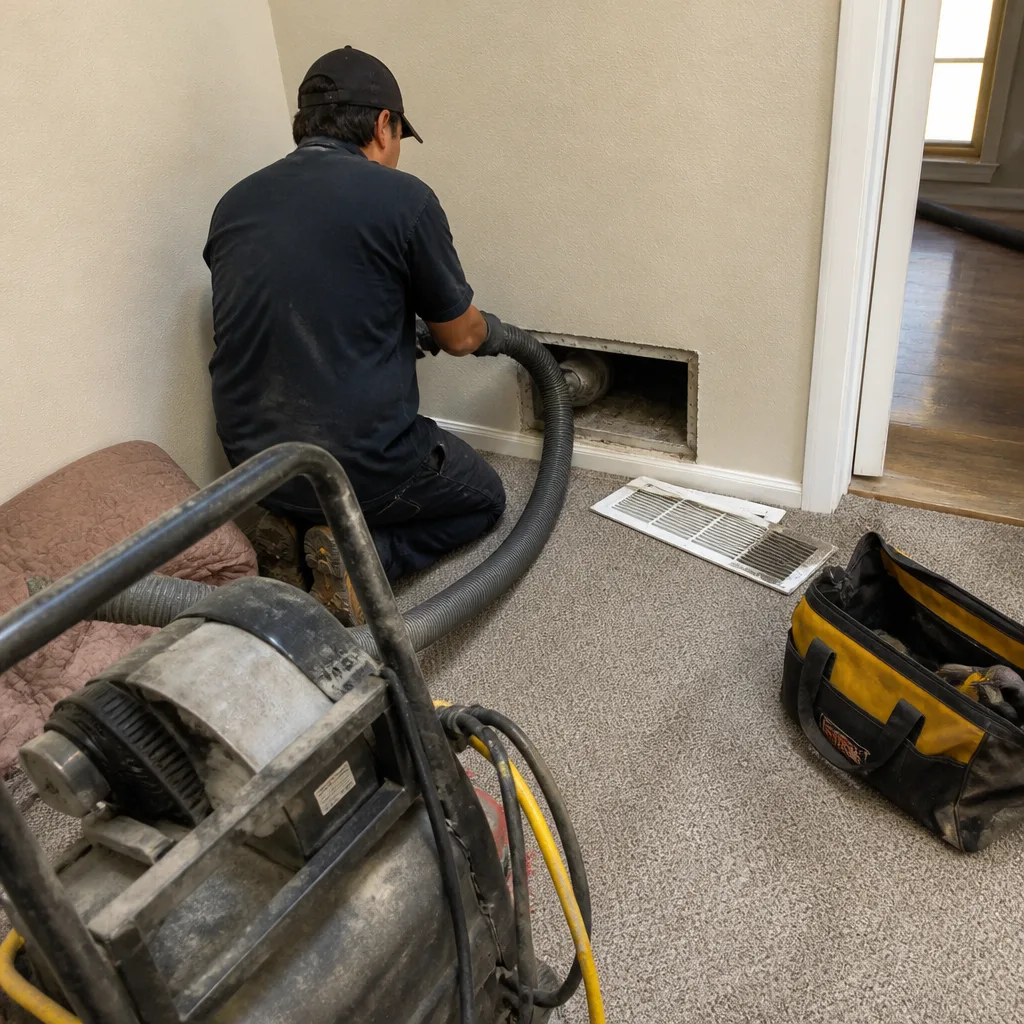 Before
 After
 Before
 After
 Before
 After
When to Call a Professional
Not every dust bump calls for a professional cleaning, and one of the things we want to avoid is over-booking. Here’s when it’s worth a call. Schedule a professional cleaning if your last was more than 24 months ago, if you’ve just completed a renovation and watched drywall dust disappear into the return grilles, if you’ve recently purchased a home with an unknown HVAC history, or if you’re seeing new symptoms in the house – persistent dust after filter changes, visible buildup on the return grille face within weeks, or a smell that comes back every time the furnace or AC cycles. Call now if a duct cleaning has already revealed an open seam or disconnected run, or if a grille is whistling after switchover. Duct Cleaning Thornton offers free estimates in Thornton – call (888) 495-2236. We answer 24/7. Fast dispatch from 7am to 7pm, Sunday through Friday.
Frequently Asked Questions
For most Thornton homes, once a year is enough if the cleaning is timed well – late summer or early fall, right after smoke season and before the furnace switchover. Homes near active construction, homes with allergy-sensitive occupants, and homes within two years of a major renovation often benefit from a second pass in late spring.
Pricing is set per system, based on the number of runs, system size, and condition of the ductwork, and a written estimate gives you the final number before any work starts. We quote one flat price per system rather than a per-vent rate, so nothing changes when the technician is on site. Call (888) 495-2236 for an exact quote – estimates are free.
Cheap quotes are usually built on consumer-grade vacuums, no rotary brushing, and per-vent pricing that grows once work begins. A real cleaning of Thornton’s seasonal contaminant load needs professional equipment – a rotary brush system, HEPA-rated vacuum, and containment filtration – and that equipment has a cost. If a quote doesn’t name the equipment, it’s worth asking why.
Ask for before-and-after photos of the ducts being cleaned – we provide them as part of the job. Photos of the actual duct interiors, taken before and after cleaning, are the clearest proof. Combined with a single flat price agreed in writing beforehand and no per-vent changes, you know exactly what happened.
It can, but the value drops. Spring cleaning captures wind-season dust before summer, but it doesn’t remove what the previous fall’s smoke season left in the system – the system will run through heating season with last summer’s load still coating the interior. If fall was skipped, book the earliest opening and plan to line up the following late-summer window.
Keep windows closed on high-particulate days, check the filter every six weeks rather than every three months, and verify that any whole-home air-quality system is running with fresh filter media before smoke events rather than during them. Watch the return grille face for visible buildup; a slow accumulation is normal between cleanings, a fast one means the interior may be due sooner.
The Bottom Line
A duct cleaning is a response to what your home’s air has carried, not a ritual tied to a date. In Thornton the cycle has four distinct seasons: wind-driven mineral dust in spring, wildfire smoke in summer, switchover stress on seams in fall, and static-driven dust cling in winter. Late summer is the highest-value cleaning window in most years because it clears the smoke season’s load before the furnace starts pushing air through the system. Between cleanings, filter discipline in April and May, humidity control in winter, and a visual check at each switchover keep the interior closer to clean longer. If a cleaning uncovers a seam leak or disconnected run, that gets fixed in the same visit. Call (888) 495-2236 for a free estimate. We answer 24/7. Fast dispatch from 7am to 7pm, Sunday through Friday.
Written by the team at Duct Cleaning Thornton.