
Last updated November 15, 2026
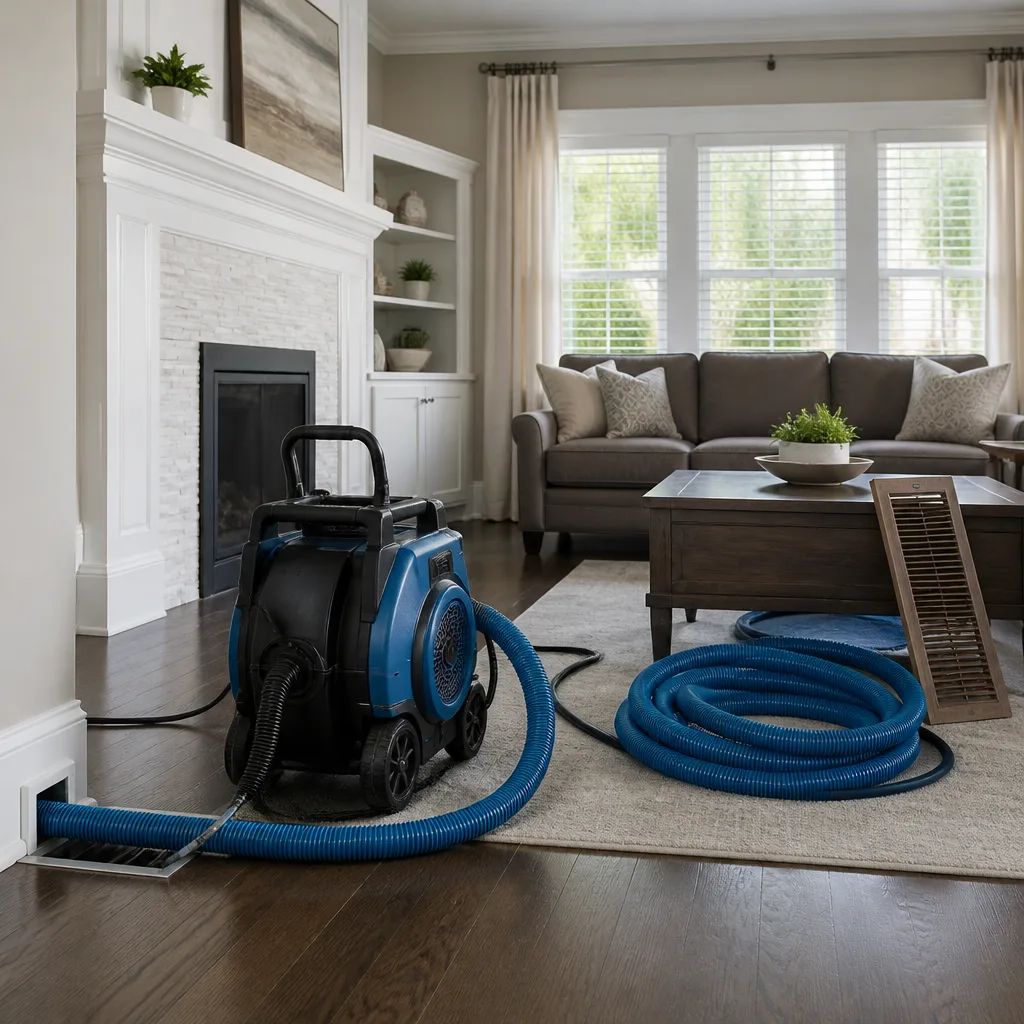 Whole-home duct cleaning
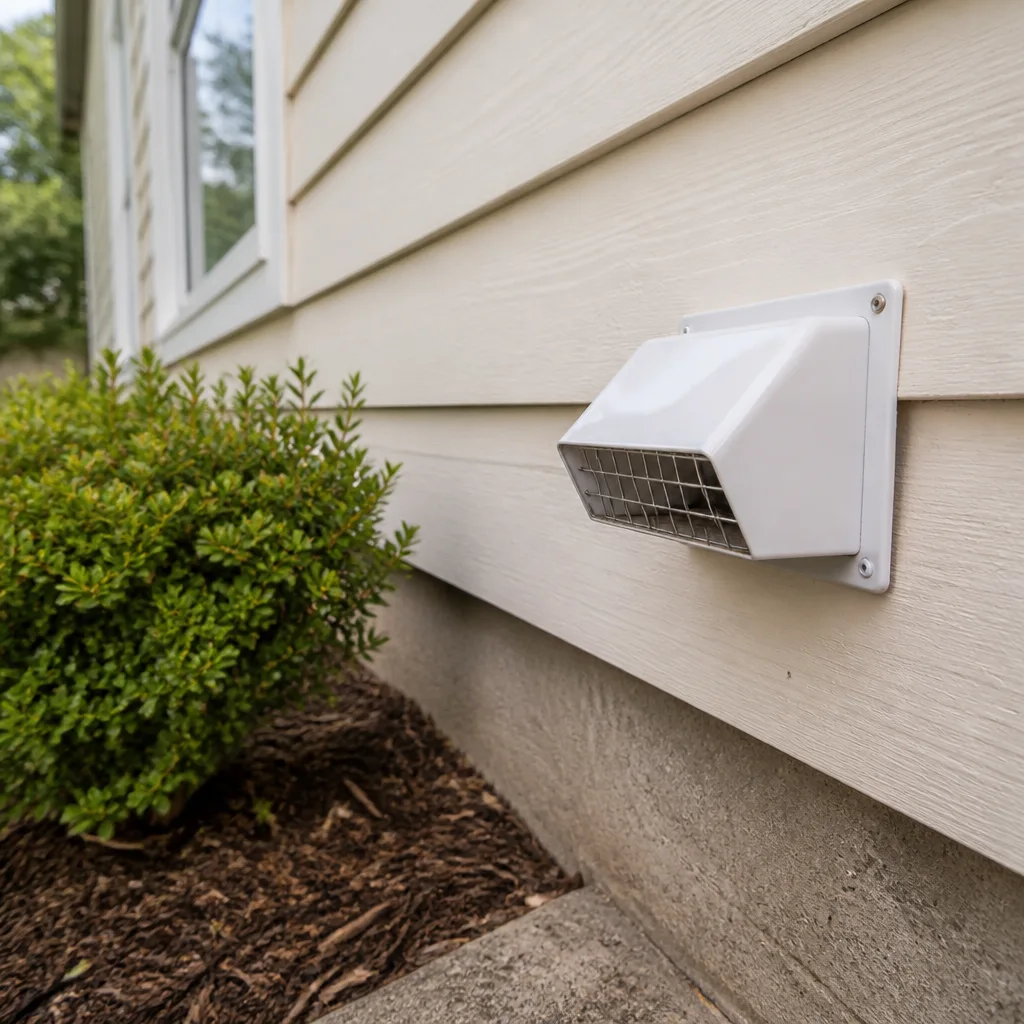 Dryer vent cleaning
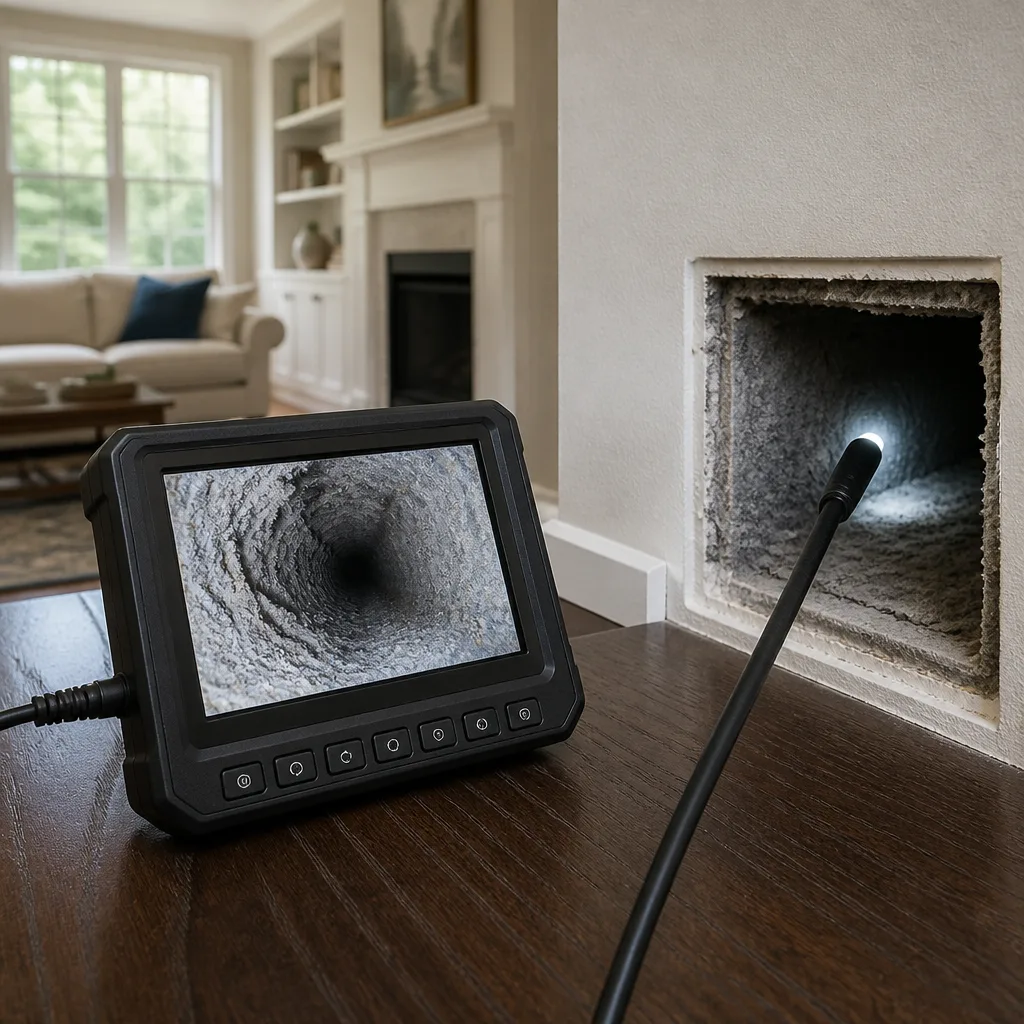 Camera inspection
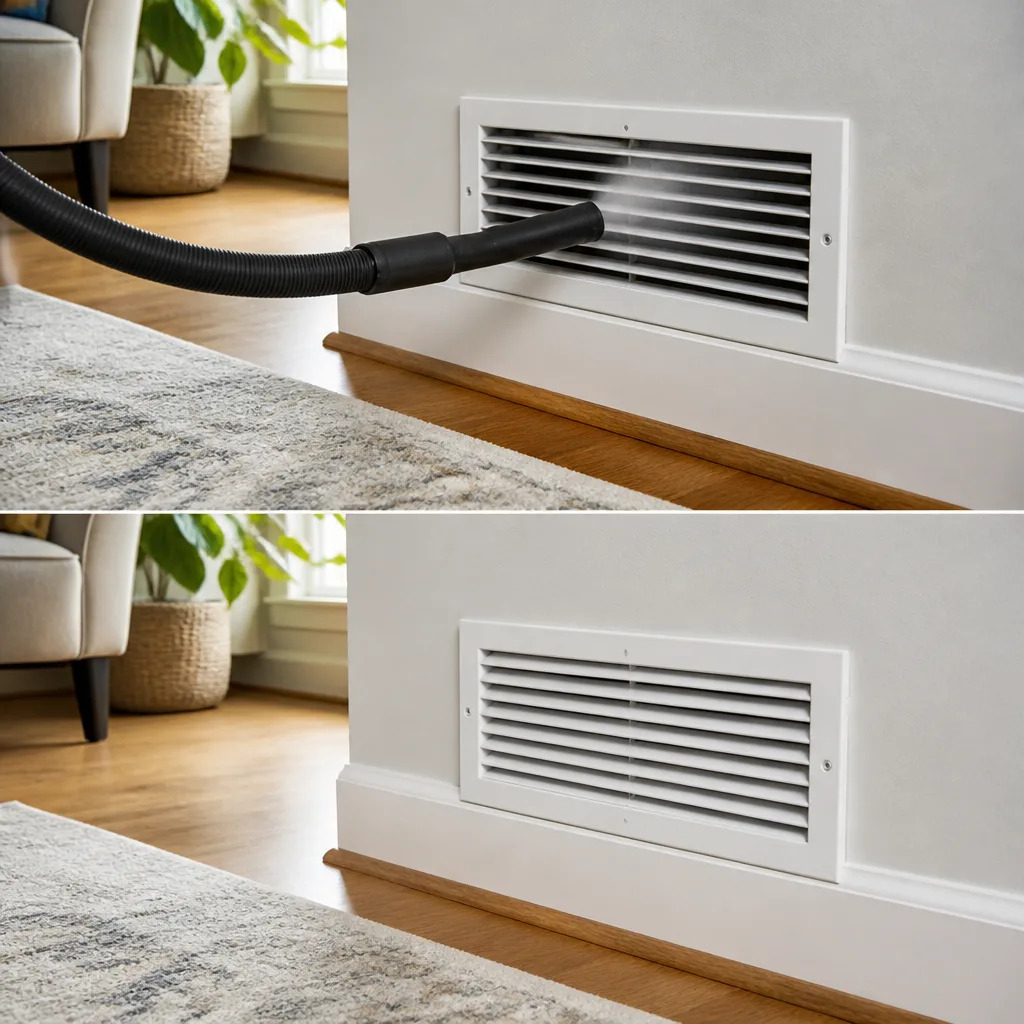 Sanitizing & deodorizing
Whole-system duct and dryer vent check with before-and-after photos - you see exactly what came out of your vents
That "$99 whole-house special" is a bait ad - the real number appears once they are in your hallway, or the "clean" is a shop-vac at the register. We photograph the inside of your ducts before and after instead.
Air Duct Cleaning Cost Breakdown: The Thornton Homeowner’s Reference for 2026
Most Thornton homeowners who call around for duct cleaning quotes get back a handful of numbers that look nothing alike. One says $99. One says $340. One says $900. It’s tempting to assume the companies just have different overhead and pick the middle. They’re not selling the same thing. A flat-rate quote for a whole-house system and a per-register quote are two completely different products, priced two different ways, backed by two different levels of equipment. This guide breaks apart what each price tier in Thornton actually buys, which costs are legitimate, which are manufactured, and how to read a quote line by line before you sign.
Quick Answer
Air duct cleaning in Thornton in 2026 typically runs about $250 to $500 for a standard single-family home, with smaller or simpler systems starting near $180 and larger homes with multiple zones reaching $700 or more. That range only holds if the quote is flat-rate for the whole system, names the equipment being used, and specifies what’s included. A $99 quote and a $500 quote are usually not the same job done at different prices.
Styles & brands we work with
- Whole-home duct cleaning
- Dryer vent cleaning
- Camera inspection
- Sanitizing & deodorizing
Table of Contents
- Why Duct Cleaning Prices in Thornton Vary So Widely
- Per-Register Pricing vs. Flat-Rate Pricing
- What Legitimately Drives Cost Up
- What Inflates Cost Artificially
- Realistic 2026 Price Bands for Thornton Homes
- How to Read a Duct Cleaning Quote Line by Line
- Why the Equipment Changes the Price
- When Cleaning Is Worth Doing and When It Isn’t
Why Duct Cleaning Prices in Thornton Vary So Widely
The honest answer is that the industry has no single standard for what “duct cleaning” means. A crew with a shop-vac, a hose, and a two-hour window is doing a fundamentally different thing than a crew running a rotary brush system inside every branch line with a HEPA vacuum holding negative pressure. The first job may remove some surface dust from the register boots. The second job removes attached debris from the duct walls. Both invoices say “duct cleaning.”
In Thornton, this matters more than it does in older, denser cities where the housing stock is fairly uniform. Homes here range from 1950s ranches with original sheet metal trunk lines to recent builds with long flexible duct runs and multi-zone systems feeding two or three floors. A single-set-price service has to be priced for the least demanding job in that mix, which tells you what kind of equipment it’s relying on.
Three things create the real spread in prices:
- Scope definition. “Cleaning” can mean wiping registers, or it can mean rotary-brushing every supply and return branch, the main trunk, the plenum, and the air handler cabinet interior.
- Containment method. Cleaning that recirculates displaced dust into the house is cheaper to run than cleaning with HEPA-rated negative-air equipment capturing debris at the source.
- Follow-up capability. A company that can only clean will hand you a list of repairs and leave. A company that also does duct repair will fix a disconnected joint, a crushed flex run, or a torn collar while the system is open.
The number on the invoice tells you nothing about which of those three you’re buying. The quote’s detail tells you everything. If a quote doesn’t name the number of supply and return registers, the equipment being used, and whether duct repair is included or available, you are not comparing prices. You’re comparing one price to a promise on the phone. For homeowners who want the full picture on what a professional service includes in this market, our air duct cleaning page lays out the scope we work to.
Per-Register Pricing vs. Flat-Rate Pricing
This is the single most useful thing to understand before you call anyone. Per-register pricing quotes a fee for each supply and return vent in the home, then multiplies by count. Flat-rate pricing quotes a single price for the entire system regardless of register count. The two models produce wildly different totals, and each one incentivizes a different kind of behavior from the company quoting it.
What per-register pricing incentivizes
A per-register model rewards finding more registers. If you were quoted $25 per register and the home turns out to have four more than you counted on the phone, the total jumps. It also tends to get soft on what a “register” includes. Some companies count only supply vents and treat returns as an add-on. Some count the register itself, not the branch run behind it. This creates a comparison trap: a $19-per-register quote and a $35-per-register quote may not be counting the same things.
What flat-rate pricing incentivizes
A flat-rate model includes every supply and return register, the main trunk, and the air handler as one agreed figure. It removes the incentive to find more vents, because more vents don’t change the price. It does put pressure on the company to inspect the home and quote accurately up front. That’s a good thing. If the flat price is going to cover what the job actually requires, someone has to look at the system first.
How to convert between them for a fair comparison
- Count every supply and return register in the home yourself, before the call. Note which rooms have more than one.
- Ask a per-register company for the total including return vents, the trunk line, and the air handler.
- Ask a flat-rate company whether their price covers every register found during inspection, or whether it has a register cap.
- Ask both which equipment brands they run and whether the price includes HEPA containment during cleaning.
- Compare the two totals only after each includes the same scope. Otherwise the comparison is meaningless.
In our experience, the per-register model works fine when the quote is transparent about returns and the trunk. It becomes a bait-and-switch problem when the base rate excludes them. A flat price per system, agreed in writing before work starts, is simpler to compare and harder to pad. That’s why we quote flat.
What Legitimately Drives Cost Up
Some things should cost more. Knowing which ones is how you tell a fair quote from an inflated one. These are the real cost drivers in a Thornton home.
- System size and complexity. A single-zone ranch with a short trunk run takes less time than a two-story home with two air handlers, longer flex runs, and multiple zones. More duct length means more cleaning time and more containment setup.
- Duct material type. Rigid sheet metal ducts and flexible insulated ducts clean differently. Flex duct with a plastic inner liner needs gentle rotary brushing, not aggressive agitation. Older rigid duct may have more attached debris but tolerates a firmer brush. Material affects method and time.
- Access difficulty. Ductwork inside a finished basement ceiling, behind drywall, or routed through a cramped mechanical closet takes longer to open and reach than exposed duct in an unfinished space. Access is labor, and labor is the biggest line item.
- Contamination level. A home that just had a renovation, with drywall dust pulled into the return system, is a different job than a home with routine dust. Heavier debris loads mean longer containment and more passes.
- Add-on services with real scope. Dryer vent cleaning is a legitimate separate service and should be quoted separately. So is coil cleaning at the air handler, when the coil is actually dirty. Both are real work, priced as add-ons.
If your home is a recent Thornton build near the newer subdivisions east of I-25, your duct runs may be longer and less accessible than an older ranch closer to the city’s center. That difference is a legitimate reason for a higher quote. A company that explains the reason is doing its job. A company that just quotes $99 and shows up with a shop-vac is not.
What Inflates Cost Artificially
Here’s where the industry’s bait-and-switch reputation comes from. Several line items look like real work but deliver nothing measurable. Homeowners get talked into them on the basis of vague health claims and a technician already standing in the living room. The price goes up, the outcome doesn’t change.
- “Antimicrobial” or “sanitizing” treatments. Applied as a fog or spray inside the ductwork, these products typically carry no documented efficacy for the residential duct environment, and the EPA registration on many of them is for hard, non-porous surfaces. Ask for the EPA registration number and the labeled use. Most quotes don’t provide them because most treatments aren’t labeled for duct interiors.
- Mold “remediation” sprayed from a sprayer. Real mold remediation is a containment-and-removal process done under a written protocol, not a spray. If a company claims to remediate mold with a fogger in the same visit as a duct cleaning, that’s a claim worth challenging.
- Post-arrival add-ons. A quote that starts at $99 and climbs to $400 once the technician is inside usually means the original number never covered the real scope. The inflated item was the base price, and the honest scope was the add-on.
- Per-vent surcharges for registers found at the property. If a company counted 12 registers on the phone but insists your home has 18, that’s a red flag. You should be able to walk the home with them and get an honest count before the price is fixed.
- UV light upsells. A UV lamp installed in the air handler is a separate product, not a duct cleaning line item. It may be a reasonable addition for some homes, but it should never appear as a mandatory step in a cleaning quote.
The test is simple: every line item should describe a physical action taken in the ductwork, a measurable outcome, and a method. If a line item can’t answer all three, it’s marketing.
Realistic 2026 Price Bands for Thornton Homes
The bands below describe what a full-system duct cleaning typically costs in the Thornton market in 2026, flat-rate, with professional equipment and containment. These are estimates, not quotes. Every home is different, and the final price comes from the written estimate after an inspection.
| Home Size and Type | Typical Flat-Rate Range | What It Should Include |
|---|---|---|
| Smaller ranch, single zone, under 1,500 sq ft | $180 to $300 | All supply and return registers, main trunk, air handler accessible surfaces, HEPA containment, before-and-after photos |
| Standard single-family, 1,500 to 2,500 sq ft, one system | $250 to $450 | Every register, main trunk, air handler cabinet interior, rotary brush cleaning of branch lines, HEPA vacuum running through the job, photo documentation |
| Larger home, 2,500 to 3,500 sq ft, one or two zones | $400 to $650 | All of the above plus longer trunk runs, second-zone ductwork, tighter access handling |
| Two-system home or heavy contamination (post-renovation, long-deferred) | $550 to $900+ | All of the above, both air handlers, extended containment, multiple brush passes on heavy debris |
Add-ons are typically quoted separately, and these ranges reflect duct cleaning only:
- Dryer vent cleaning: typically $100 to $200 as a standalone service, quoted separately from the duct work.
- Air handler coil cleaning: usually quoted after the technician inspects the coil, since it’s not always dirty.
- Air duct repair: priced per issue found during the cleaning. A disconnected flex run, a crushed section behind a register, or a failed collar is quoted individually once it’s identified.
If a Thornton quote comes in well under the low end of these bands, it’s almost certainly not delivering the same scope. If it comes in well over the high end with line items labeled “sanitizing” or “antimicrobial,” that extra money isn’t buying you clean air.
How to Read a Duct Cleaning Quote Line by Line
Bring the quote to the table, literally. Read it in this order and mark each line as legitimate, negotiable, or a red flag.
- Scope line. It should say “number of supply registers cleaned, number of return registers cleaned, main trunk cleaned, air handler included.” If it doesn’t list counts, ask for them in writing.
- Equipment line. The quote should name the vacuum and rotary brush system being used, or at minimum describe them as a HEPA vacuum and a rotary brush. A brand like Rotobrush or Nikro on the quote is a signal of professional equipment, not consumer gear.
- Containment line. This should describe how debris is kept out of the living space. Negative-air and HEPA filtration equipment, such as systems from Abatement Technologies, are the professional standard here.
- Documentation line. Before-and-after photos of your own ducts should be included, not offered as a paid upgrade. Photo documentation is how you confirm the work happened.
- Add-on lines. Dryer vent cleaning and coil cleaning may be on the quote, but should be priced separately and clearly. If either is bundled into the base price without explanation, ask why.
- Repair line. Legitimate duct repair should be flagged as “quoted if found” or similar. If a quote includes a fixed repair fee before anyone has looked, that’s a red flag.
- Total line. The total should be a flat price per system, agreed before work starts. Not a per-register estimate. Not a range that can move after arrival.
What’s negotiable and what isn’t: the scope and equipment lines are not negotiable if you want real cleaning. Add-ons like dryer vent cleaning and coil cleaning are where you can say yes or no based on need. The duct repair line is negotiable in the sense that you decide whether to fix what’s found. What isn’t negotiable is the base scope. A fair flat price covers the whole system, documented.
One note on premium air-quality accessories. If your home has a Honeywell or Aprilaire whole-home air cleaner, humidifier, or filtration system integrated into the HVAC, the cleaning crew needs to work around it without compromising the accessory or the duct seal. Ask specifically how the quote handles that. A crew familiar with those systems quotes differently, because there’s more to protect.
Why the Equipment Changes the Price
This is the part the price tiers never explain. A duct cleaning job is only as good as the equipment doing it, and professional-grade equipment costs more to buy, more to maintain, and more to run. That cost shows up in the price, and it should.
A rotary brush system like the Rotobrush moves a spinning brush head through the branch lines, contacting the duct walls rather than just pulling a vacuum through the register boot. A HEPA-rated vacuum system like the Nikro units captures displaced debris at the source instead of letting it recirculate. Negative-air containment equipment from Abatement Technologies keeps airborne dust inside the ductwork and the work area, which matters most when the home has been recently renovated or when the return side is heavily loaded.
Contrast that with a low-bid service: a shop-vac, a flexible hose pushed into a couple of registers, a promise that everything is fine. That service is cheap because it’s not doing the job. It’s doing the appearance of the job. If a Thornton homeowner pays $99 for a duct cleaning and comes home to visible dust in every room, the low price explains the outcome.
We run professional equipment because a duct cleaning is only worth doing if it removes what’s actually stuck to the duct walls. That’s not a marketing line. It’s the whole reason the job exists. It’s also why we offer dryer vent cleaning alongside duct cleaning: the same equipment discipline applies to the dryer exhaust, which is a real fire risk, not a footnote on an upsell list.
If you’re not sure whether the equipment is worth more, ask to see the equipment at the estimate. A company that runs Rotobrush and Nikro systems will show them without hesitation. A company running a shop-vac will change the subject.
When Cleaning Is Worth Doing and When It Isn’t
Not every home needs duct cleaning, and a company willing to tell you that is one you can trust with the ones that do. Here’s the honest breakdown.
Cleaning is worth doing when:
- You’ve just finished a renovation. Drywall dust disappears into the return vents and settles throughout the duct system. One cleaning after the job finishes is the right move.
- You’ve bought a home with unknown HVAC history. A bank-owned or long-vacant property often has debris, pest intrusion, and years of settled dust that the inspection never checked.
- You have allergies or asthma and notice symptoms worsening when the system runs.
- You see visible debris or dust blowing from the registers when the fan comes on.
- You can see debris clinging to the inside of the ductwork at the register boots.
- A recent air handler inspection found debris or biological growth inside the cabinet.
Cleaning is not necessary when the system has been cleaned recently, there’s no visible debris, and the air handler and coil are clean. If a company insists on a cleaning every year with no basis, that’s a red flag, not a maintenance plan.
For Thornton homes specifically, the timing math tends to be seasonal. Spring and early summer bring the highest dust load, and the first hot stretch of the year moves weeks of settled debris through the system all at once. Cleaning before that first running stretch makes more sense than after it.
Common Mistakes to Avoid
- Choosing the lowest quote without understanding its scope. A $99 quote and a $400 quote often describe different jobs. The lower one usually covers only some registers, skips the air handler, and uses consumer-grade equipment. Compare scope before comparing prices.
- Accepting per-register pricing without confirming what a register includes. Some companies count supply only, some count supply and return, some count the register boot without the branch run behind it. Ask explicitly what a “register” covers in the total.
- Paying for antimicrobial or sanitizing treatments without a labeled use. Fogger-based treatments usually can’t point to the EPA registration for duct interiors. Ask for the label or skip the line item.
- Skipping the before-and-after photos. Without documentation of your own ducts, you have no way to verify the job was done or how well. Photo evidence should be standard, not an upgrade.
- Ignoring a disconnected or crushed flex run during the cleaning. If the ductwork has a break, cleaning it just moves air into the wrong space. Duct repair as a named part of the service matters here, and a cleaning crew that can’t repair it will hand you a list and leave.
- Overlooking the dryer vent as a separate service. Dryer vents are one of the leading causes of residential house fires when they’re filled with lint, and they’re easy to forget because they sit outside the HVAC system. Book them with the duct cleaning.
- Trusting a “flat” price that climbs once the technician is in the house. A real flat price is agreed before work starts and stays flat. If it moves after arrival, the written estimate wasn’t written.
See the difference
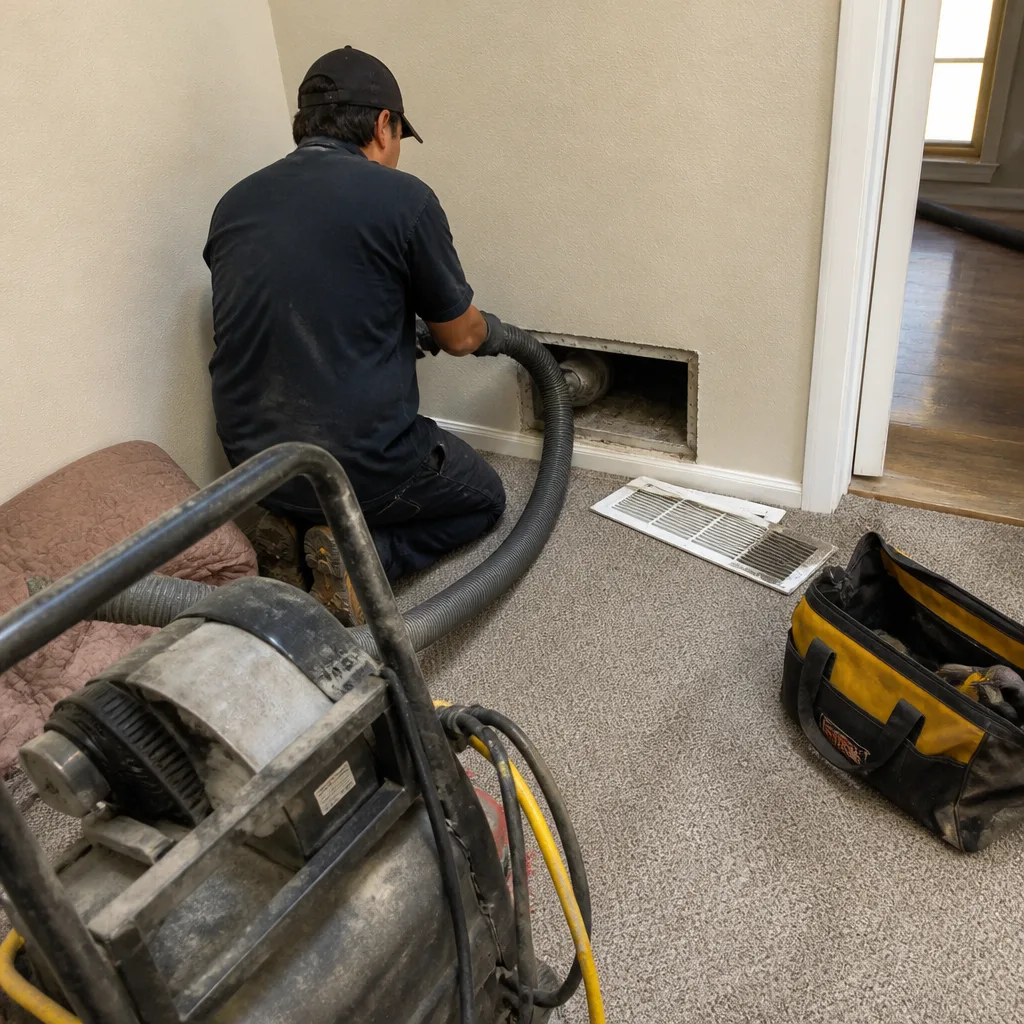 Before
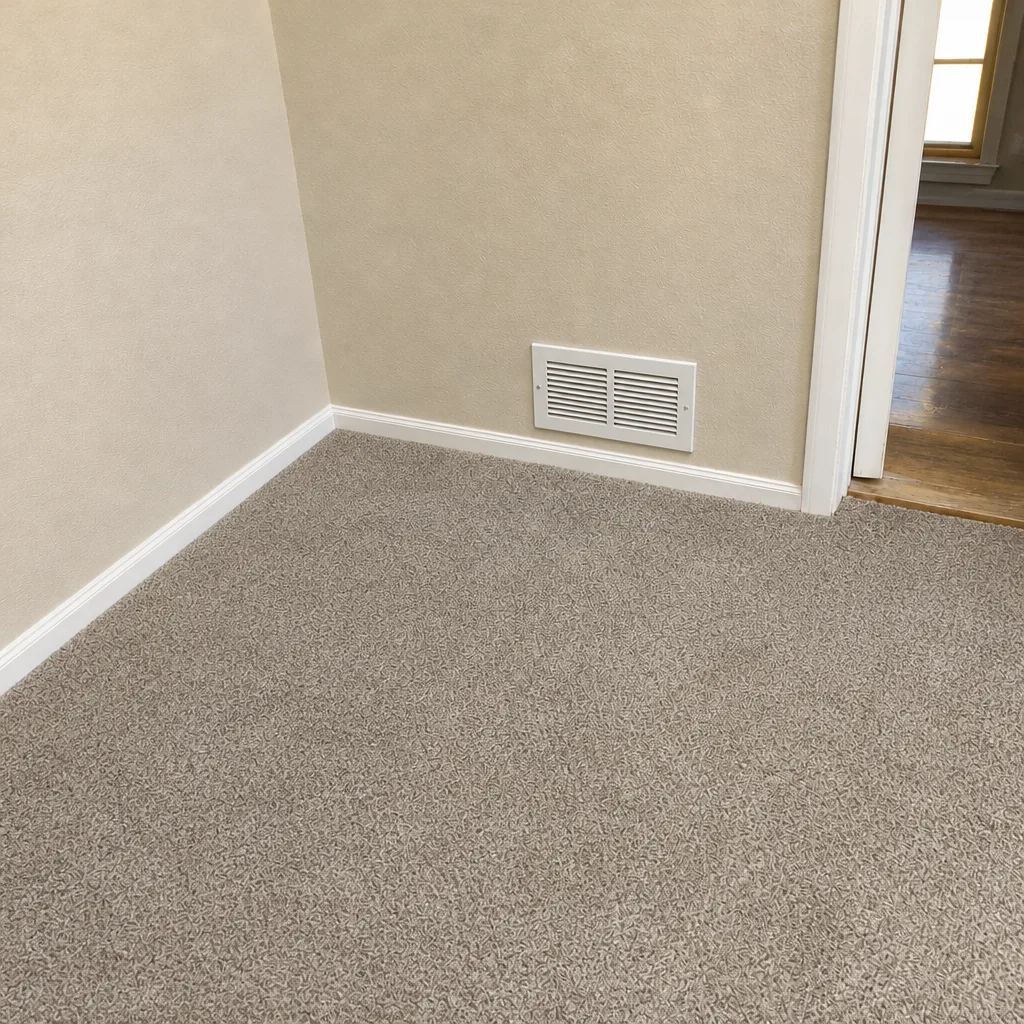 After
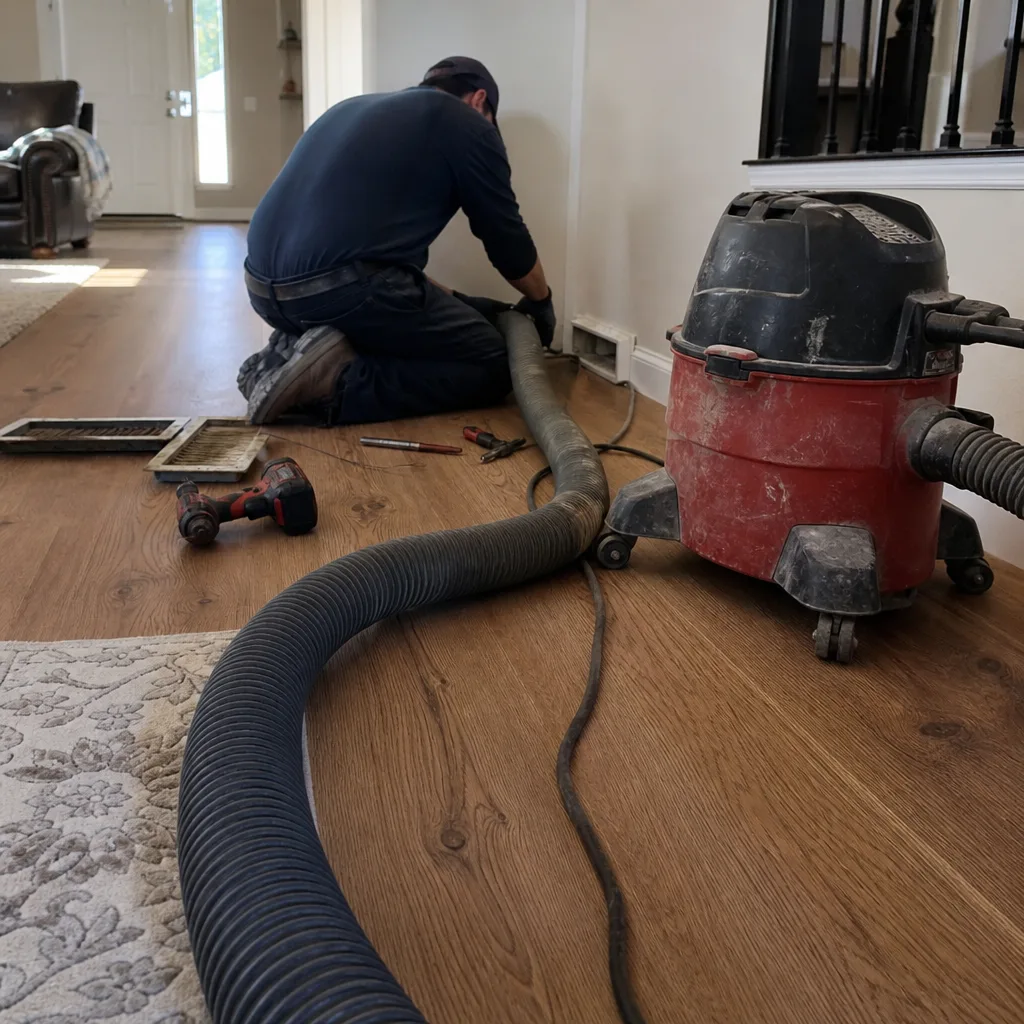 Before
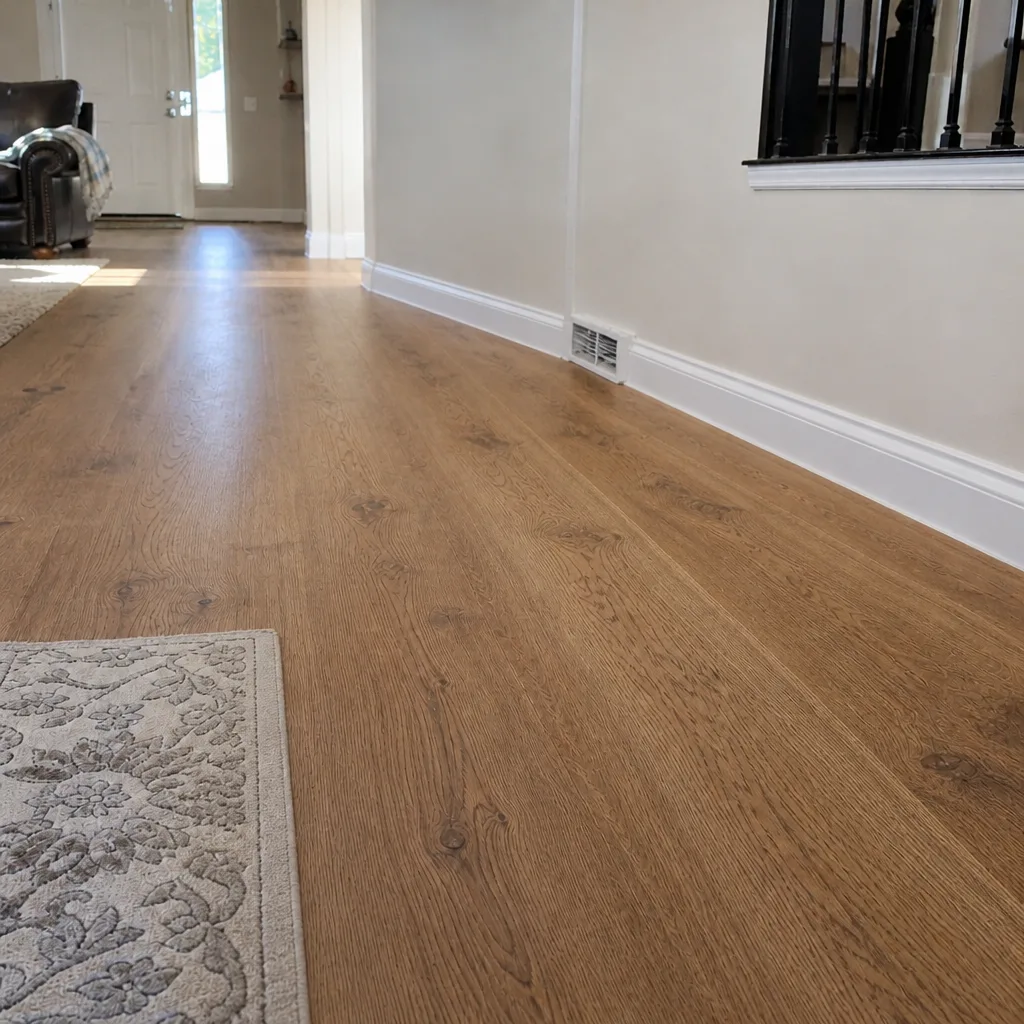 After
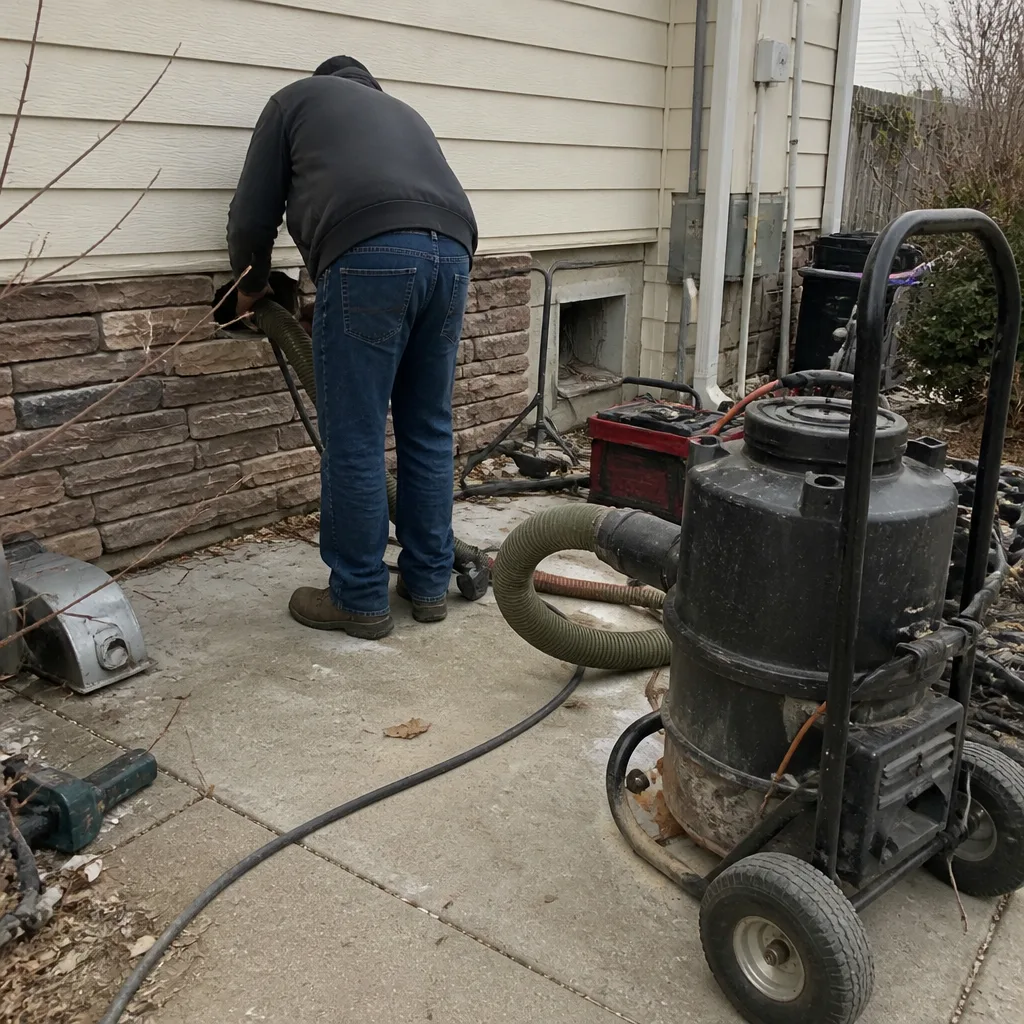 Before
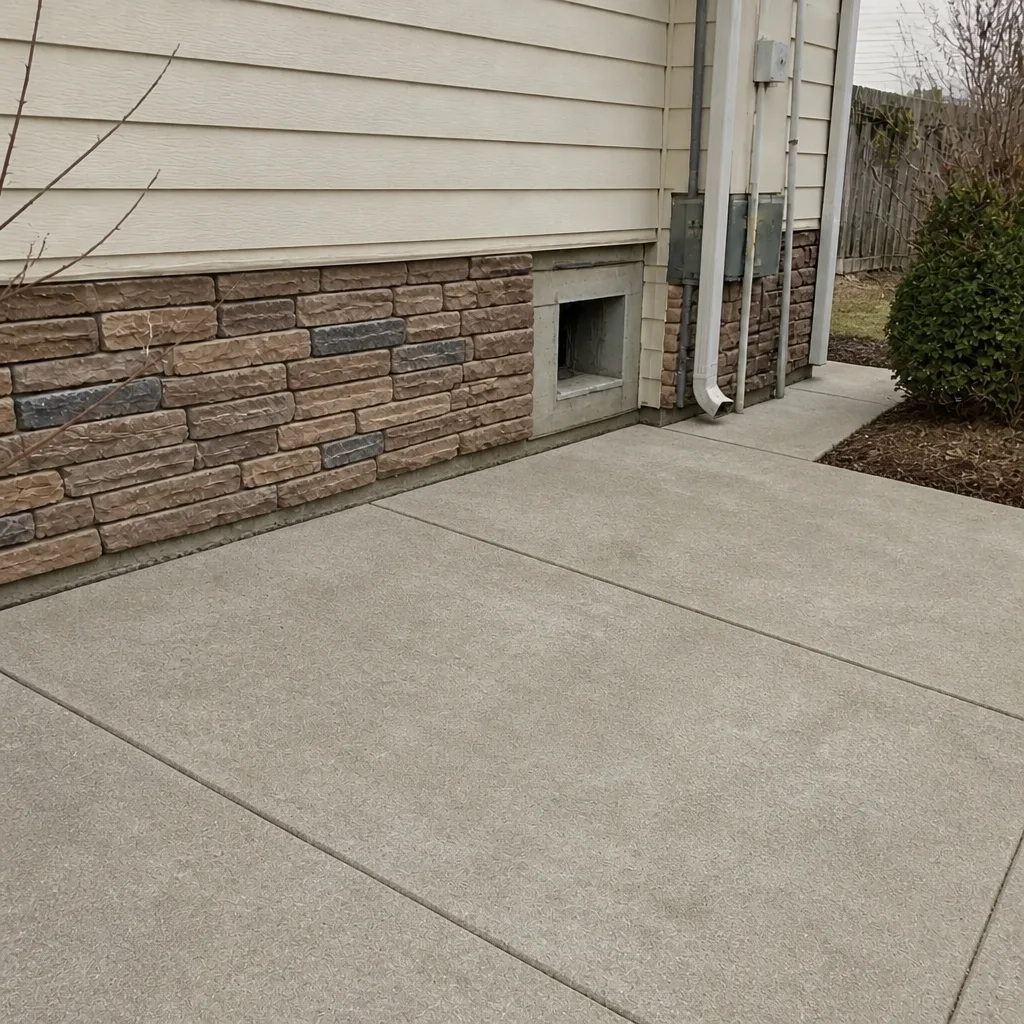 After
When to Call a Professional
Some situations in a Thornton home clearly warrant a professional duct cleaning rather than a wait-and-see approach. If you’ve just finished a renovation or bought a home with unknown HVAC history, book an inspection. If you’ve noticed dust blowing from registers, worsening allergy symptoms when the system runs, or visible debris at the boots, the system is due. If a flexible duct section has collapsed or come loose inside a wall or ceiling cavity, don’t run the system until it’s looked at. If your dryer is taking longer than usual to dry a load, that’s a vent cleaning call, not a fault with the dryer.
Duct Cleaning Thornton offers free estimates in Thornton. Call (888) 495-2236 for an assessment. We answer 24/7. Fast dispatch from 7am to 7pm, Sunday through Friday.
Frequently Asked Questions
Most Thornton homes fall in the $250 to $500 range for a full-system cleaning at a flat rate, with smaller homes starting near $180 and larger or heavily contaminated systems reaching $700 or more. Dryer vent cleaning is typically quoted separately at $100 to $200. Call (888) 495-2236 for an exact quote. Estimates are free.
Cheap quotes usually reflect a smaller scope, consumer-grade equipment, or per-register pricing that excludes returns and the air handler. A $99 base price that grows after the technician arrives is a bait-and-switch pattern, not a bargain. The honest comparison is between two full-scope quotes: registers, trunk, air handler, containment, and documentation included. Call (888) 495-2236 for a flat-price quote on your actual system.
Before-and-after photos of your own ducts are the check. A professional crew documents the condition at each register and the air handler before and after cleaning, and provides the photos to you. If a company doesn’t photograph the work, that’s a question worth asking before you book. Call (888) 495-2236 to schedule an estimate and see how the process works.
Flat-rate per system is easier to compare and less prone to post-arrival surprises, but per-register can be fair if it transparently includes returns and the trunk line. What matters is whether the quote names counts, equipment, and scope. A vague per-register rate almost always climbs. Call (888) 495-2236 for a flat-rate quote on your home.
For most homes, every three to five years is reasonable, not annually. Renovations, moves into a home with unknown HVAC history, and allergy triggers are the exceptions that justify cleaning sooner. A company that demands yearly cleaning without inspecting the system first isn’t telling you what the system needs. Call (888) 495-2236 if you’re unsure whether it’s due.
Yes. Dryer vent cleaning and air duct repair are both available as named services alongside air duct cleaning, so a single visit covers the full air pathway in your home. That matters most when duct damage is found during the cleaning: the repair happens while the system is open, not on a separate appointment with a different contractor. Call (888) 495-2236 for a combined estimate.
The Bottom Line
The duct cleaning price range in Thornton isn’t a mystery. It reflects different scopes, different equipment, and different follow-through. A $99 quote and a $500 quote are usually not the same job. The one thing worth comparing is the written estimate: registers named, equipment named, containment described, photos included, and a flat price per system agreed before work starts. If the quote meets those five tests, you can compare prices with confidence. If it doesn’t, the number isn’t the price. It’s a place to start the sales conversation, and that’s not what you called for.
When you’re ready to get a real number on your home, call (888) 495-2236. We answer 24/7. Fast dispatch from 7am to 7pm, Sunday through Friday. Estimates are free, the price is set per job by the written estimate, and you’ll get before-and-after photos of your own ducts. Whether you need duct cleaning in Thornton or a dryer vent assessment, we’ll quote it flat and show you the work.
Written by the team at Duct Cleaning Thornton.