
Last updated November 15, 2026
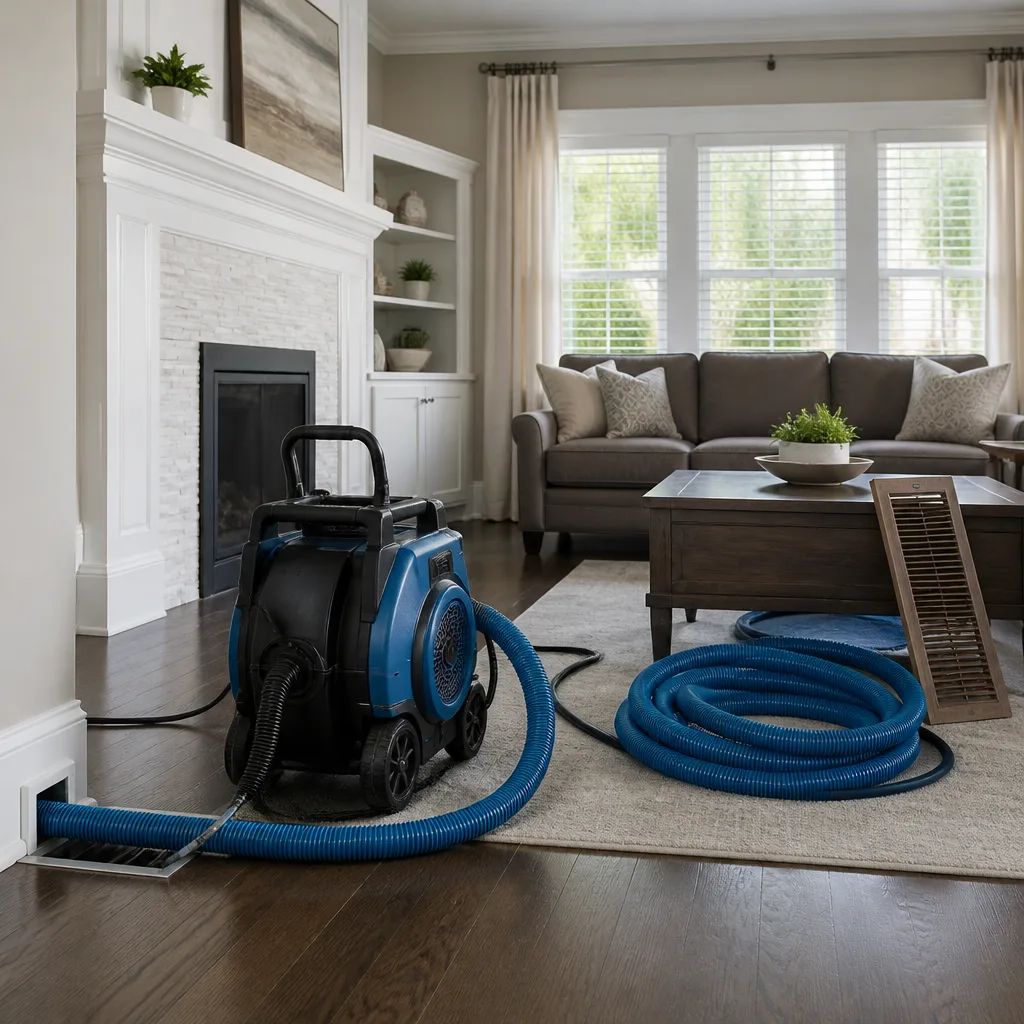 Whole-home duct cleaning
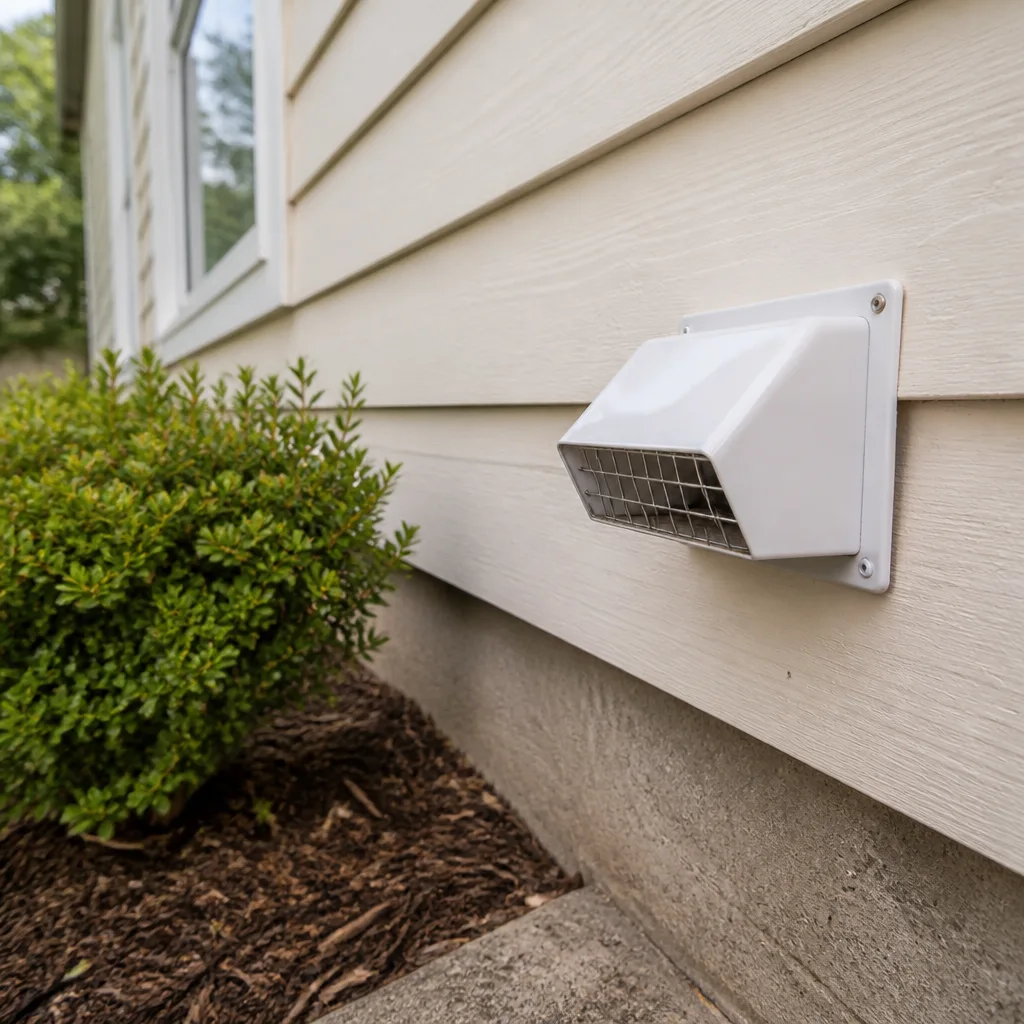 Dryer vent cleaning
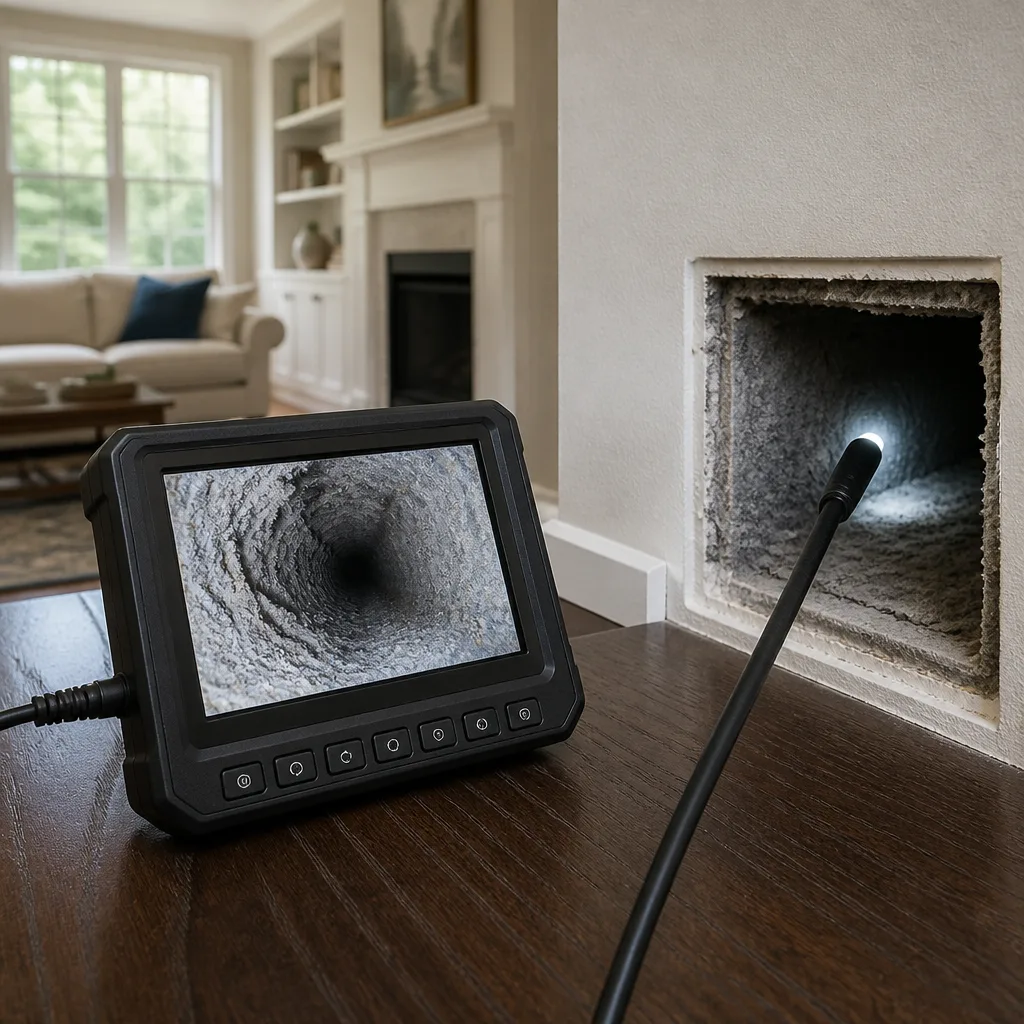 Camera inspection
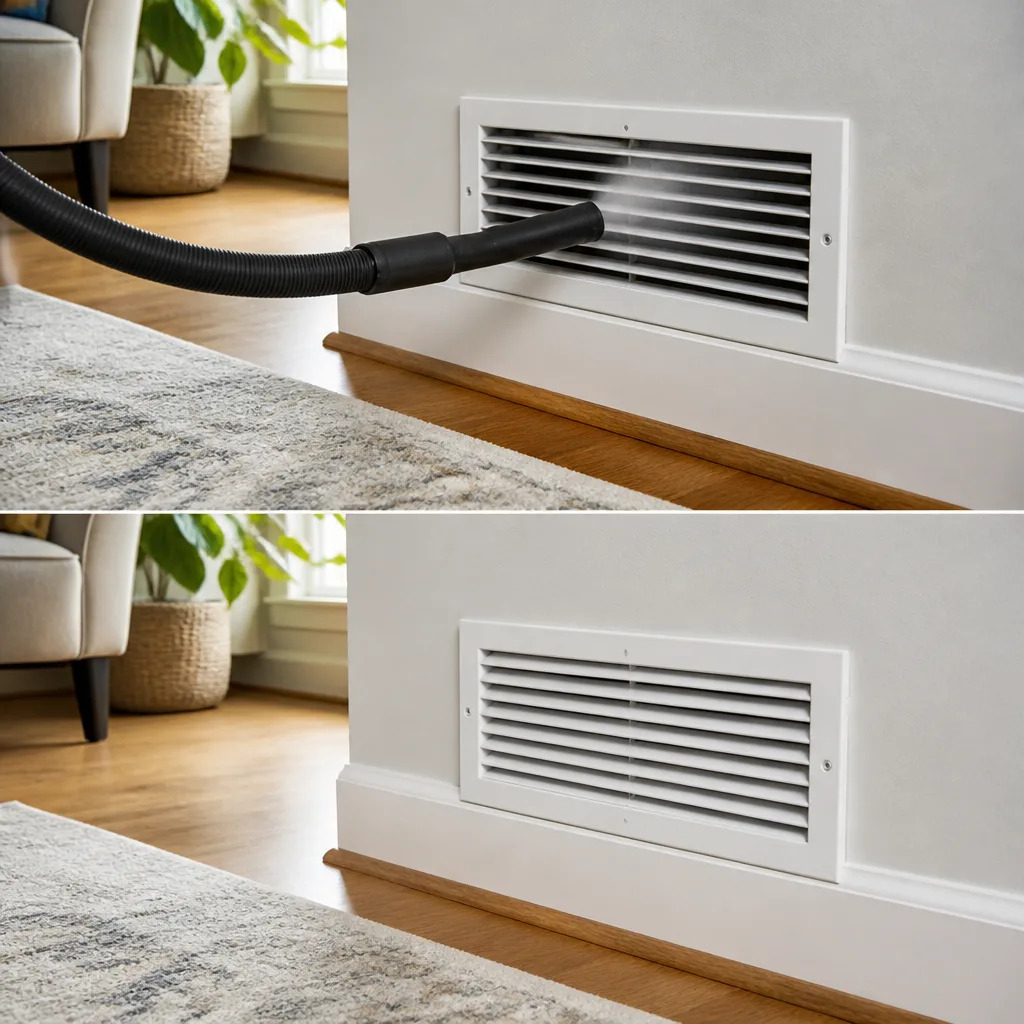 Sanitizing & deodorizing
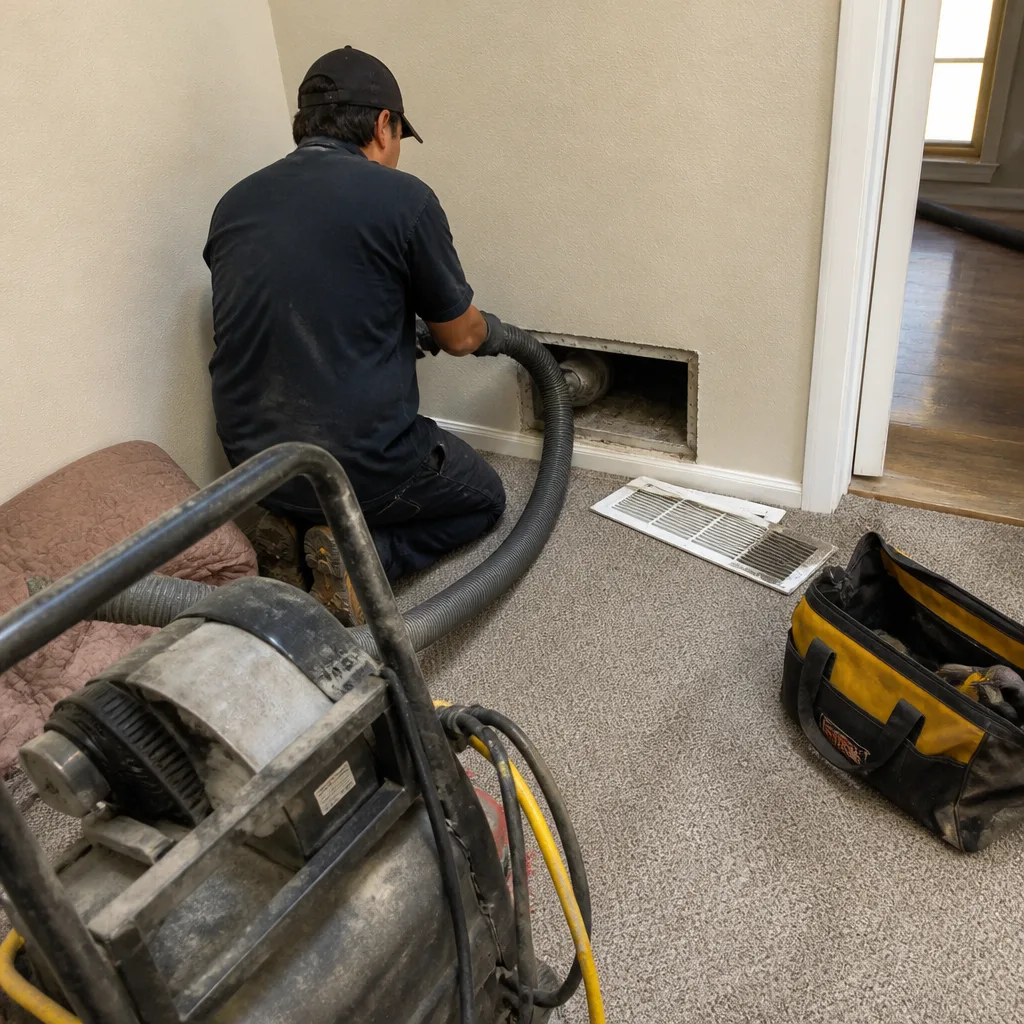
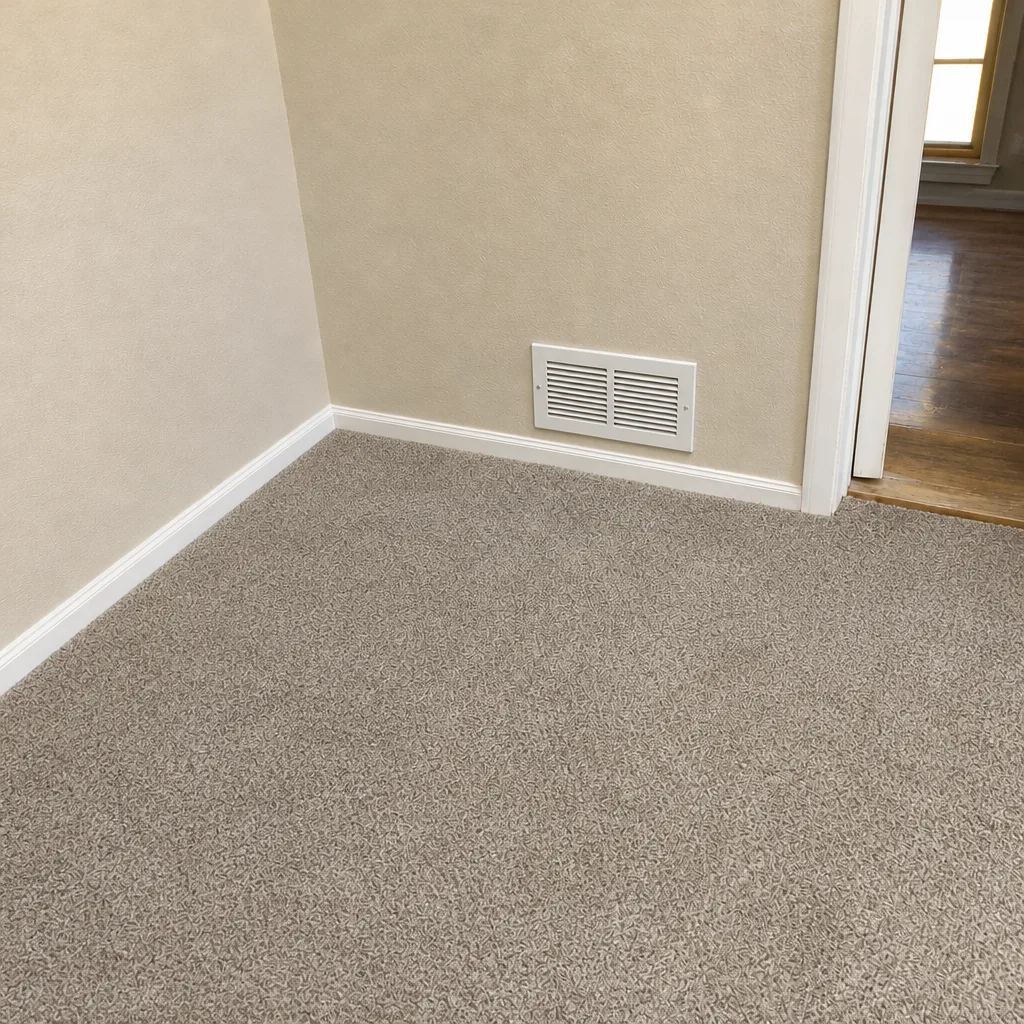
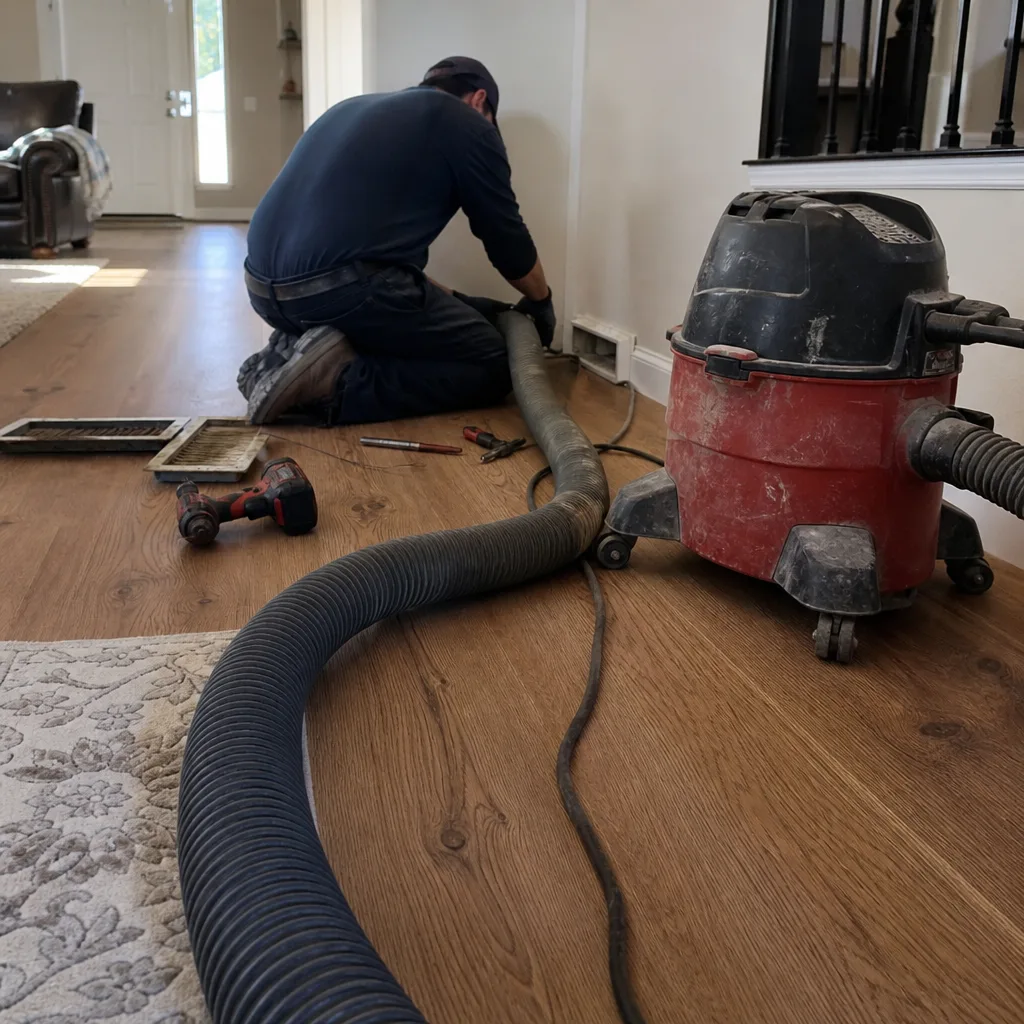
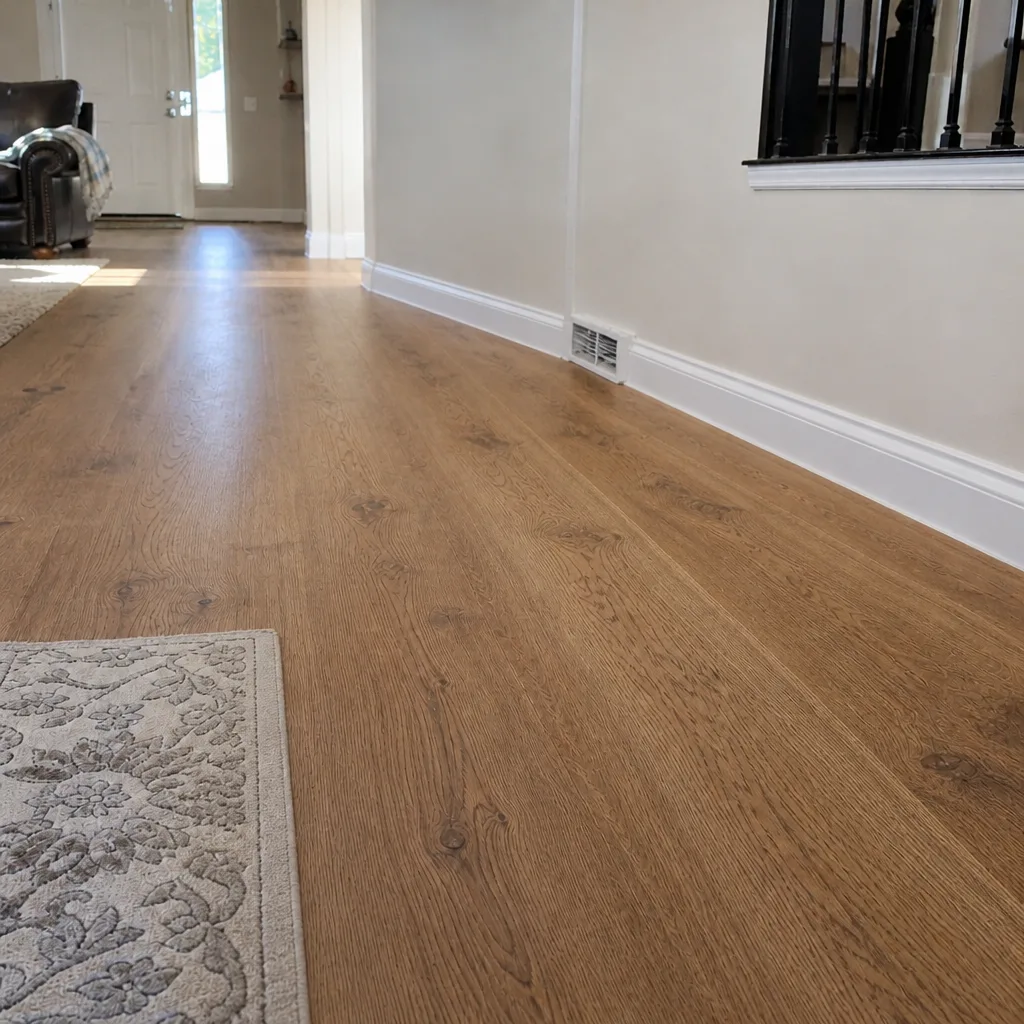
Whole-system duct and dryer vent check with before-and-after photos - you see exactly what came out of your vents
That "$99 whole-house special" is a bait ad - the real number appears once they are in your hallway, or the "clean" is a shop-vac at the register. We photograph the inside of your ducts before and after instead.
Air Duct Cleaning Permits, Codes & Inspections in Thornton, CO: What You Need to Know
Here’s the part most homeowners miss: the duct cleaning itself is not what gets you into trouble. The moment a technician cuts into your ductwork, seals a plenum breach, or swaps out a flex run, the work crosses a line into regulated mechanical contracting, and the rules that apply in Thornton are not the same as those for wiping down a return grille. A “quick repair while we’re in there” performed by someone who isn’t licensed for mechanical work can leave you with an unpermitted modification, a warranty question, and a disclosure problem when you sell. This guide walks through where that line sits in Thornton, what Adams County expects, and what paperwork to ask for.
Quick Answer
Air duct cleaning on its own does not require a permit in Thornton or anywhere else in Colorado. The moment the work involves cutting, replacing, or reconfiguring ductwork or a plenum, it becomes mechanical work that falls under Colorado mechanical contractor licensing and Thornton’s adoption of the mechanical code, and a permit plus inspection is typically required. Ask any contractor whether the specific task triggers a permit before they start, and get the answer in writing.
Styles & brands we work with
- Whole-home duct cleaning
- Dryer vent cleaning
- Camera inspection
- Sanitizing & deodorizing
Table of Contents
- Where the line sits: cleaning versus mechanical work
- Colorado’s mechanical licensing tiers and what they mean for you
- What Adams County and Thornton require for duct repair versus replacement
- When a permit inspection is mandatory (and what inspectors look for)
- The documentation to request after any duct repair
- Self-certifying a repair versus pulling a permit
- How unpermitted ductwork affects insurance and warranty coverage
- Selling a Thornton home: disclosure issues from unpermitted work
Where the Line Sits: Cleaning Versus Mechanical Work
Cleaning is maintenance. Repair is contracting. The distinction sounds simple until you’re standing in a basement watching a technician point at a crushed flex run behind a furnace and offer to “just replace it real quick.” That offer is the moment the job changes category.
In practical terms, here’s how the split works for a typical Thornton home:
- Cleaning only: rotary brushing, negative-air containment, HEPA vacuuming of trunk lines, branches, registers, and returns. No permit, no inspection, no mechanical license required.
- Minor re-sealing: mastic or tape on accessible joints and seams that are already intact. Generally maintenance, generally no permit.
- Duct replacement or reconfiguration: removing and replacing a duct section, adding a run, rerouting a branch, changing duct size, or rebuilding a plenum. This is mechanical work.
- Cutting into ductwork: any new penetration for access, an added register, or a new branch takeoff. Also mechanical work.
- Furnace or coil connections: disconnecting and reconnecting ductwork at the appliance itself touches gas and combustion air considerations. Licensed mechanical contractors handle this, and a permit is usually involved.
What trips up homeowners in Thornton is the phrase “we’ll just seal it.” Sealing a plenum that has separated from the furnace cabinet is not the same as taping a loose joint on a branch duct. One is maintenance. The other is a mechanical repair to a pressure boundary at the appliance, and it can affect combustion air, static pressure, and the appliance’s listing. If a technician can’t tell you which category their repair falls into, that’s a signal to pause.
Our technicians have up to 12 years of experience, and the first thing we do on any air duct cleaning visit is inspect and document what’s actually there before anyone touches a joint. Documentation first means you know whether the job is cleaning or repair before a tool comes out of the case.
Colorado’s Mechanical Licensing Tiers and What They Mean for You
Colorado licenses mechanical contractors through the state, and the license classes are typically described as Class A and Class B. The gist: a Class A mechanical license covers the broader scope of heating, ventilation, and air conditioning work, including commercial and larger systems, while a Class B license covers a narrower residential scope. The exact scope definitions live in the state’s mechanical contractor rules, and they do shift, so verify the current language with the Colorado Division of Professions and Occupations before you rely on a description in any guide, including this one.
What matters for a Thornton homeowner is simpler than the code book:
- Ask which license the company holds. A cleaning company that also offers duct repair should be able to tell you the license class its technicians work under, or confirm that it partners with a licensed mechanical contractor for the repair portion.
- Match the license to the job. Replacing a short flex run on a residential branch is different from rebuilding a trunk line or making a new connection at the furnace. Ask whether the specific task fits the license held.
- Confirm who is actually doing the work. If a cleaning company subcontracts the repair to a licensed mechanical contractor, you should know that before the visit, not when a second truck shows up.
- Get the license number on the estimate. A legitimate mechanical contractor puts its license information on paperwork. If the estimate has no license reference and the job involves cutting or replacing ductwork, ask why.
This is the gap the low-bid model falls into. A company built around a shop-vac and a coupon usually isn’t set up to pull permits, hold a mechanical license, or coordinate an inspection. That doesn’t make them villains. It makes them the wrong crew for the repair portion of the visit, and it puts the decision on you whether to schedule a second contractor or let the cleaning crew “handle it.”
When we find damaged ductwork during a cleaning in Thornton, we tell you what we found, what category of work the fix falls into, and whether it needs a permit. We also repair what we find, which is the reason we can have that conversation honestly instead of leaving you with a hole in the system and a phone number for someone else.
What Adams County and Thornton Require for Duct Repair Versus Replacement
Thornton sits mostly within Adams County, with portions in Weld County, and the city runs its own building department and permit process under codes it adopts locally. The practical rule of thumb:
- Duct repair (sealing, reconnecting, patching, minor re-support): usually no permit, but the work must still meet mechanical code requirements for materials, sealing, and support. Ask whether the repair changes the system’s configuration.
- Duct replacement of a section or run: typically requires a mechanical permit in Thornton because it’s replacement of a system component, not maintenance.
- Adding, removing, or relocating a register or branch: typically requires a permit because it changes the system design.
- Replacing the furnace or air handler and reconnecting ductwork: definitely requires a permit, and the inspection covers the duct connections as part of the appliance installation.
- Full duct system replacement: permit and inspection, treated as new mechanical work.
Permit thresholds and inspection requirements are set locally and can change, so the correct move is to call the City of Thornton building department with the specific scope before any cutting starts. Ask two questions: does this work need a permit, and what inspection does it require? Get the answer before the crew arrives, not after.
One local wrinkle: Thornton’s housing stock runs from older postwar neighborhoods with original galvanized ductwork to newer builds in areas like Eastlake and the neighborhoods around Thornton Parkway with flex and rigid-board systems. Older ductwork that has been sealed, patched, and re-patched over the years is more likely to fail during a cleaning, which is exactly when the repair question comes up mid-visit. That’s the moment the permit conversation needs to happen, before anyone reaches for a knife.
If you’re comparing contractors across the north metro, the same rules apply when you book dryer vent cleaning in a neighboring city, and it’s worth asking the same licensing questions there. Dryer vent work has its own code considerations around vent material and termination, and it’s one more reason to work with a crew that understands the regulatory side of the trade.
When a Permit Inspection Is Mandatory, and What Inspectors Look For
A permit inspection is mandatory whenever the work crosses into permitted mechanical scope: duct replacement, added or relocated runs, and any work tied to an appliance replacement. The inspection itself isn’t scary. It’s a check that the work was done to code and won’t create a safety or performance problem later.
Inspectors typically look at a handful of things:
- Materials. Duct materials rated and listed for the application, including proper flex duct ratings and UL-listed connections where required.
- Sealing. Joints and seams sealed to the mechanical code, with mastic or listed tape rather than the wrong kind of tape.
- Support and sag. Flex runs supported at proper intervals and not sagging or kinked, which is a common failure point in tight Thornton crawlspaces and attics.
- Clearances. Proper clearance from combustibles and from the appliance, particularly near the furnace and water heater.
- Combustion air and pressure. Confirmation that duct changes haven’t created a pressure or combustion-air problem at the appliance.
- Terminations. Duct terminations and connections correct and secure, including at registers and at the air handler.
The inspection schedule is set by the city, and the contractor pulling the permit is responsible for requesting it at the right phase. If a repair is done without a permit, you don’t get that inspection, and there’s no third-party record that the work meets code. That’s the real cost of skipping the permit: not the fee, but the missing verification.
HEPA-rated containment matters here too. When a repair requires cutting into a duct system, we set up Abatement Technologies negative-air and HEPA-filtration equipment so debris displaced by the work doesn’t end up in the living space. A licensed contractor who cuts without containment is treating your home like a job site. You’re entitled to better.
The Documentation to Request After Any Duct Repair
If a repair was made during your cleaning visit, ask for these items before the truck leaves. It takes five minutes and it protects you for years.
- A written scope of the repair. What was found, what was replaced or sealed, and which materials were used. Not a line on an invoice that says “duct repair.”
- The permit number, if a permit was pulled. Every permit has a number, and the number ties the work to the city’s record.
- The inspection result, if one was required. Approved, or what the inspector flagged and when it was corrected.
- The contractor’s license information. Which entity performed the mechanical work and under what license class.
- Before-and-after photos. Photos of the actual ductwork, not stock images. This is the single best protection against a repair that never happened.
- A receipt or invoice with a real company name and a written description of the work. You’ll want it if you sell, refinance, or file a claim.
Keep these with your home records alongside furnace and water heater paperwork. Future buyers, inspectors, and insurers ask for them, and having the file on hand turns a potential disclosure problem into a clean answer. When we work with homeowners in Thornton, before-and-after photos of their own ducts are part of the standard handoff, not an add-on. It’s how you know the work was actually done.
Self-Certifying a Repair Versus Pulling a Permit
Here’s the distinction that matters most, and it’s the one most homeowners never hear. A cleaning company that makes a repair and hands you an invoice is self-certifying that the work was done correctly. There’s no third party involved, no inspection, and no municipal record. A licensed mechanical contractor who pulls a permit and passes inspection gives you a third-party verified record that the work meets code.
Both can look identical on the day of the visit. The difference shows up months or years later.
- Self-certified repair: the only record is your invoice. If the repair fails, the connection separates, or an insurance claim asks for proof of code-compliant work, you have nothing but a receipt.
- Permitted repair: the city has a record of the permit, the inspection, and the final result. That record answers the question “was this done right?” with documentation instead of a phone call to a company that may not exist anymore.
- Self-certified by an unlicensed company: the worst combination. No permit, no license, no inspection, and often no way to verify anything about the entity that performed the work.
A responsible cleaning company knows its limits on this. If the repair is maintenance, we do it and document it. If the repair is mechanical work that needs a permit, we tell you so, explain why, and make sure the work is handled by someone licensed for it. That’s the whole point of getting the scope right before the tools come out.
Our equipment approach is the same discipline. We run Rotobrush and Nikro systems, and we use HEPA-rated vacuum equipment on every job, because cleaning without real capture equipment just moves debris around. The same logic applies to repairs: the scope should match the tools and credentials of the crew doing the work.
How Unpermitted Ductwork Affects Insurance and Warranty Coverage
This is where a five-minute repair becomes an expensive conversation. Homeowner’s insurance policies generally expect that work on the home was done to code and, where required, permitted. If a claim arises from ductwork or an appliance connection modified without a permit, the insurer may ask whether the work was permitted, and the answer can affect how the claim is handled.
We can’t speak for any specific insurer, and coverage questions should go to your agent. But the general pattern is worth understanding:
- Claims investigation: when a claim involves ductwork, a fire, or water damage near the HVAC system, the adjuster will ask what work was done recently and by whom. Unpermitted modifications invite scrutiny.
- Warranty terms: furnace and air handler warranties often require installation and modification by licensed contractors. A duct repair that involves disconnecting and reconnecting at the appliance, done by an unlicensed crew, can put the appliance warranty at risk.
- Resale: buyers and their inspectors ask about recent mechanical work. A permitted, inspected repair is a selling point. An unpermitted one is a negotiation problem.
- Contractor liability: if a self-certified repair fails and causes damage, recovering from an unlicensed company can be difficult. Licensed contractors carry insurance for a reason.
The clean answer is to get the scope right before the work starts. If the repair falls under mechanical scope, it should be permitted and inspected. If it doesn’t, it should still be documented with photos and a written scope so there’s a record. Owners of Honeywell and Aprilaire whole-home air quality systems should also confirm that any duct modification is compatible with those components, since a plenum change or a rerouted branch can affect the way the system samples and delivers air.
Selling a Thornton Home: Disclosure Issues From Unpermitted Work
Colorado’s seller disclosure requirements ask you to disclose known problems with the property’s systems, and unpermitted work on the HVAC or duct system is exactly the kind of thing that surfaces during a buyer’s inspection. The buyer’s inspector will note unpermitted repairs if they’re visible or if the permit history doesn’t match what’s in the home.
What typically comes up in a Thornton sale:
- Permit history search. Buyers and their agents can pull permit records from the city. Work that should have been permitted but isn’t on record raises questions.
- Inspector findings. Reconnected ductwork at a furnace, a rebuilt plenum, or a rerouted branch is visible to a careful inspector and often identifiable by the materials and workmanship.
- Negotiation leverage. Buyers who find unpermitted mechanical work either ask for a credit, ask for it to be corrected, or walk. Documented, permitted work closes that door.
- Time pressure. Correcting unpermitted work during a sale is far more expensive than doing it right the first time, because a permit and inspection are now happening under a deadline.
If you’ve had duct repairs done in the past and aren’t sure whether a permit was pulled, the fix is straightforward: check the city’s permit records, and if the work was unpermitted and falls within mechanical scope, talk to a licensed mechanical contractor about how to bring it into compliance. Doing this before you list is a much easier conversation than doing it during escrow. If you’re not sure what’s in the ducts to begin with, a professional duct cleaning visit in Thornton with photo documentation gives you a starting point.
Common Mistakes to Avoid
- Treating every on-site repair as maintenance. If a technician is cutting into ductwork, replacing a flex run, or rebuilding a plenum, that’s mechanical work with its own permit and licensing rules. Ask before the work starts.
- Accepting “we’ll handle the paperwork” without seeing it. A permit has a number. If the company can’t tell you the number, there’s no permit.
- Letting an unlicensed crew reconnect ductwork at the furnace. Appliance connections touch combustion air and appliance listing. That’s licensed mechanical work, and getting it wrong can put the warranty and the safety of the system at risk.
- Not asking about containment during a repair. Cutting into a duct system without HEPA-rated negative-air containment puts debris into your living space.
- Skipping documentation because the repair seemed small. Photos, scope, and any permit or inspection record are what protect you at resale and in an insurance situation.
- Hiring on price alone and getting a shop-vac and a promise. The lowest bid usually isn’t set up to pull permits or hold mechanical credentials, which makes a repair offer a liability.
- Assuming Adams County and Thornton rules are identical. Verify the specific requirement with the City of Thornton building department for the exact scope, since permit thresholds are set locally.
See the difference
 Before
 After
 Before
 After
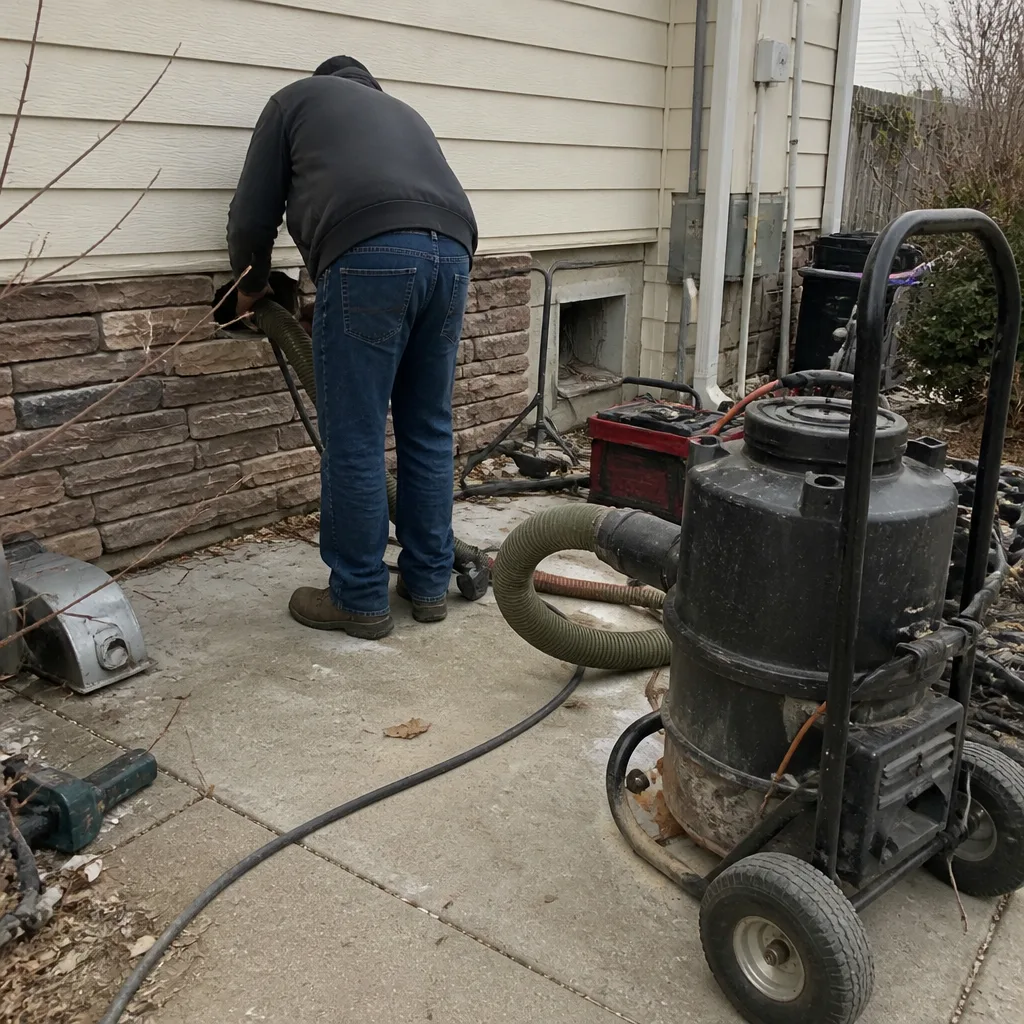 Before
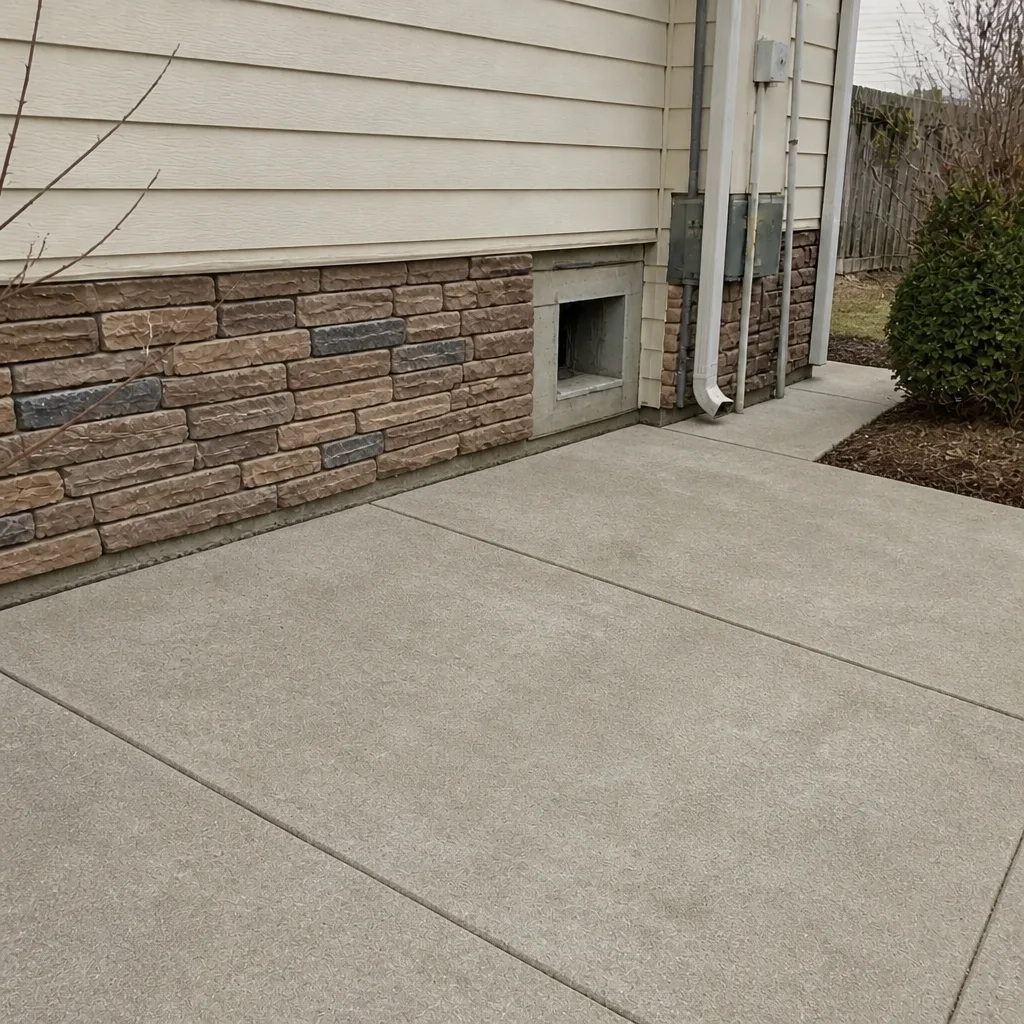 After
When to Call a Professional
Call a professional when the duct problem involves anything beyond routine cleaning. That includes visible damage to ductwork, a separation at the furnace or air handler, a crushed or disconnected flex run, a noticeable drop in airflow after a renovation, and any ductwork that was modified by a prior contractor. It also includes situations where you can’t tell whether the work needs a permit, because that’s the question a licensed mechanical contractor answers quickly. And if you’ve just bought a home with an unknown HVAC history in Thornton, a documented inspection and cleaning gives you a baseline before anything fails. Duct Cleaning Thornton offers free estimates in Thornton, with before-and-after photos of your own ducts and a clear answer on whether a repair needs a permit. Call (888) 495-2236.
Frequently Asked Questions
No, air duct cleaning by itself does not require a permit in Thornton. Cleaning is maintenance, not mechanical work. A permit becomes relevant when the job includes cutting, replacing, or reconfiguring ductwork or a plenum, which is mechanical work. If you’re unsure about the scope, ask the contractor to state in writing whether their work requires a permit. Call (888) 495-2236 for an estimate and we’ll walk through the scope with you.
It depends on the repair. Sealing a joint or re-supporting a duct is generally maintenance and typically doesn’t need a permit. Replacing a duct section, adding or relocating a register, or reconnecting ductwork at the furnace is mechanical work that typically does require a permit and inspection. Verify the exact scope with the City of Thornton building department, and get the answer before work starts. Call (888) 495-2236 if you’d like us to help you identify which category your repair falls into.
Only if they’re licensed for the mechanical work involved. Cleaning and repair are different scopes, and a repair that involves cutting or replacing ductwork should be done by a licensed mechanical contractor, with a permit where required. At Duct Cleaning Thornton, we offer air duct repair as a service and we tell you clearly when a repair crosses into mechanical scope. Estimates are free, so call (888) 495-2236 to schedule a visit and get an honest answer on what your system needs.
Colorado issues mechanical contractor licenses, commonly described as Class A and Class B, with different scopes of work. Residential duct repair and replacement generally falls within mechanical contractor scope. Ask the company which license class it holds, ask whether the specific repair fits that class, and confirm the license number appears on the estimate. Rules change, so verify current scope definitions with the Colorado Division of Professions and Occupations. Call (888) 495-2236 for a free estimate with the scope laid out in writing.
You ask for before-and-after photos of your own ductwork, a written scope of what was replaced or sealed, and the permit and inspection record if the work required one. A company that can’t provide any of these is self-certifying the repair, which leaves you with only an invoice as proof. This is the exact reason we hand over photos of your ducts as part of every job. Call (888) 495-2236 to book an estimate and see how the process works.
Cheap quotes usually come from crews without the equipment, containment, or licensing to handle anything beyond a surface pass, which is why the low price often turns into a larger invoice once a repair is suggested on-site. A professional job with HEPA-rated negative-air containment, rotary-brush equipment, and a written scope costs more to perform because it uses real equipment. Get a whole-system price in writing before work begins. Call (888) 495-2236. We answer 24/7, with fast dispatch from 7am to 7pm, Sunday through Friday.
The Bottom Line
Air duct cleaning in Thornton doesn’t need a permit, but duct repair often does. The dividing line is mechanical work: cutting, replacing, reconfiguring, or reconnecting ductwork crosses into a scope that Colorado licenses and that Thornton permits and inspects. The practical steps are to ask which category your repair falls into before work begins, request a written scope and before-and-after photos of your own ducts, and get the permit number and inspection result if a permit was pulled. Keep that documentation with your home records, because it’s your protection at resale and in an insurance claim. Get the scope right first, and the rest follows.
Call (888) 495-2236 for a free estimate on air duct cleaning, dryer vent cleaning, or duct repair in Thornton. We answer 24/7, with fast dispatch from 7am to 7pm, Sunday through Friday. Every visit includes before-and-after photos of your own ducts and a written scope, so you know exactly what was found and what was done.
Written by the team at Duct Cleaning Thornton.