
Last updated November 15, 2026
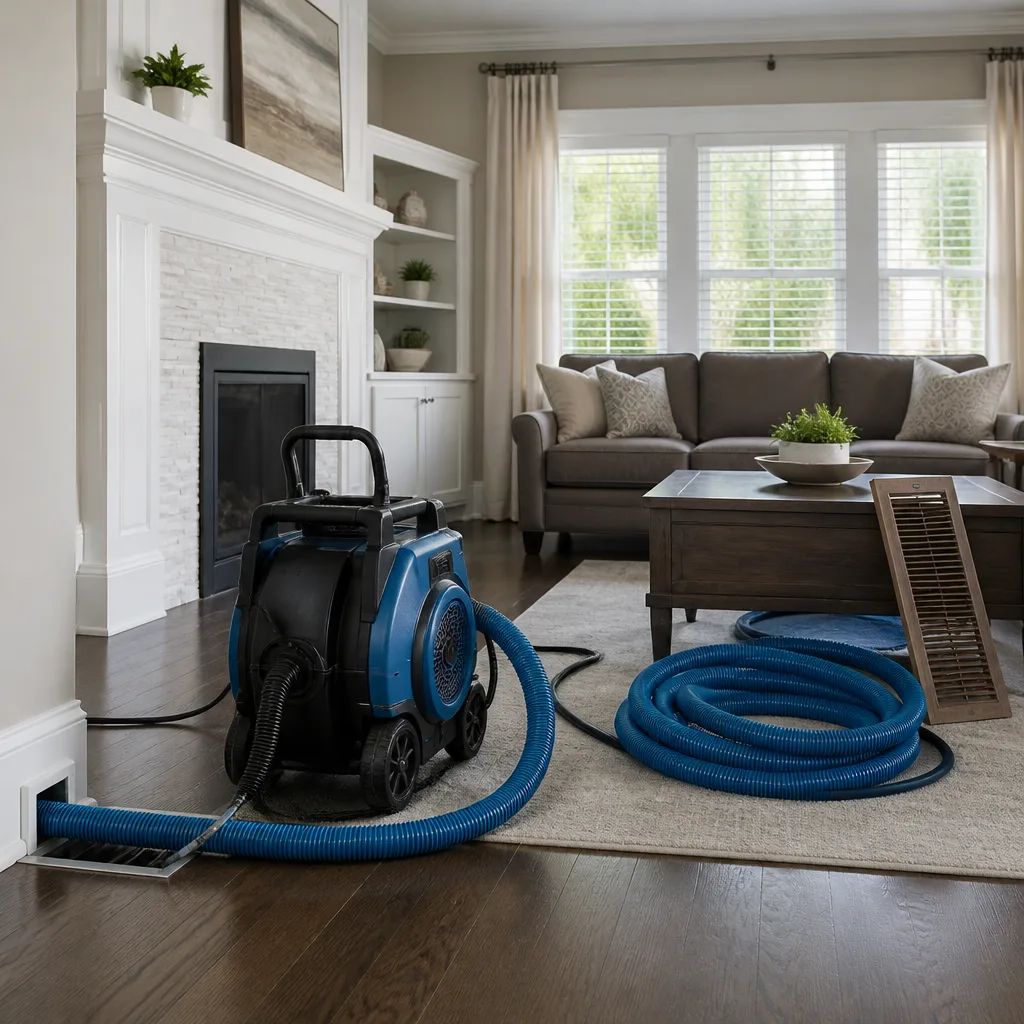 Whole-home duct cleaning
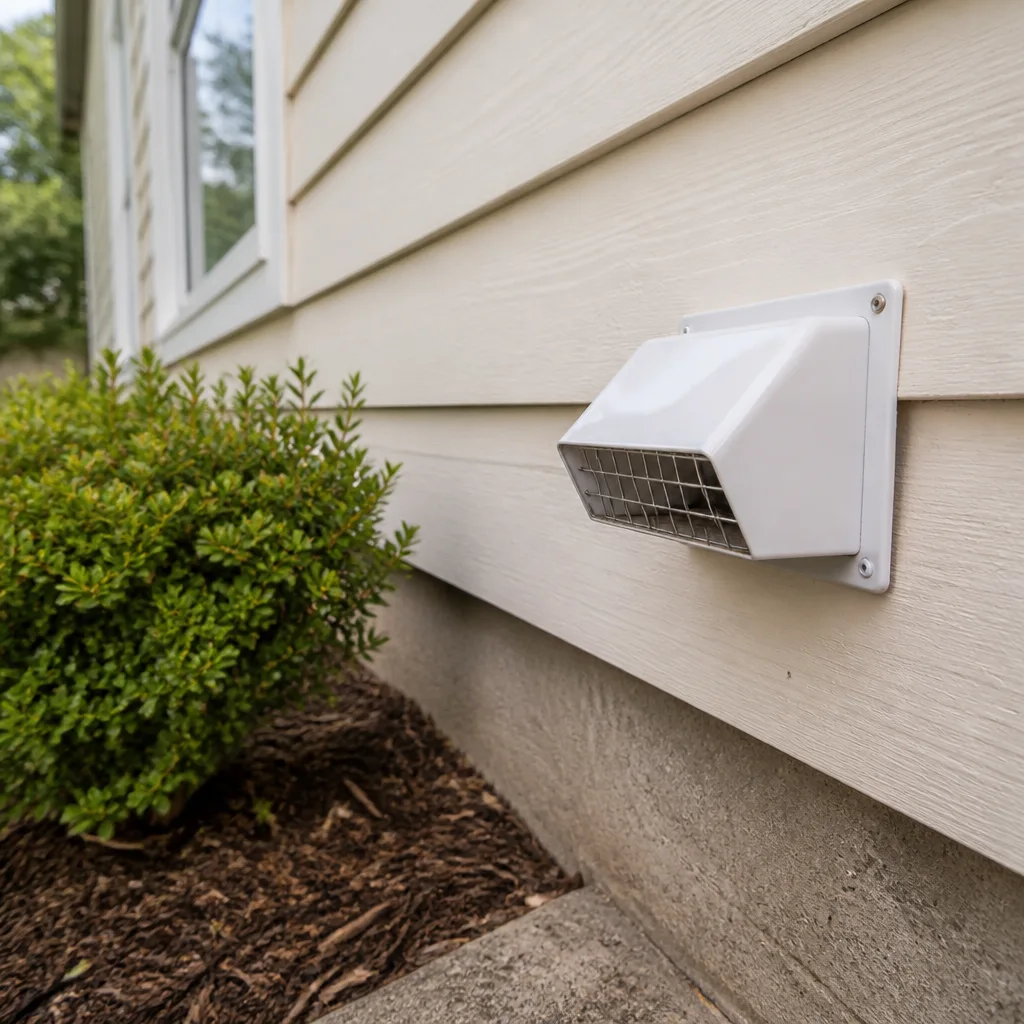 Dryer vent cleaning
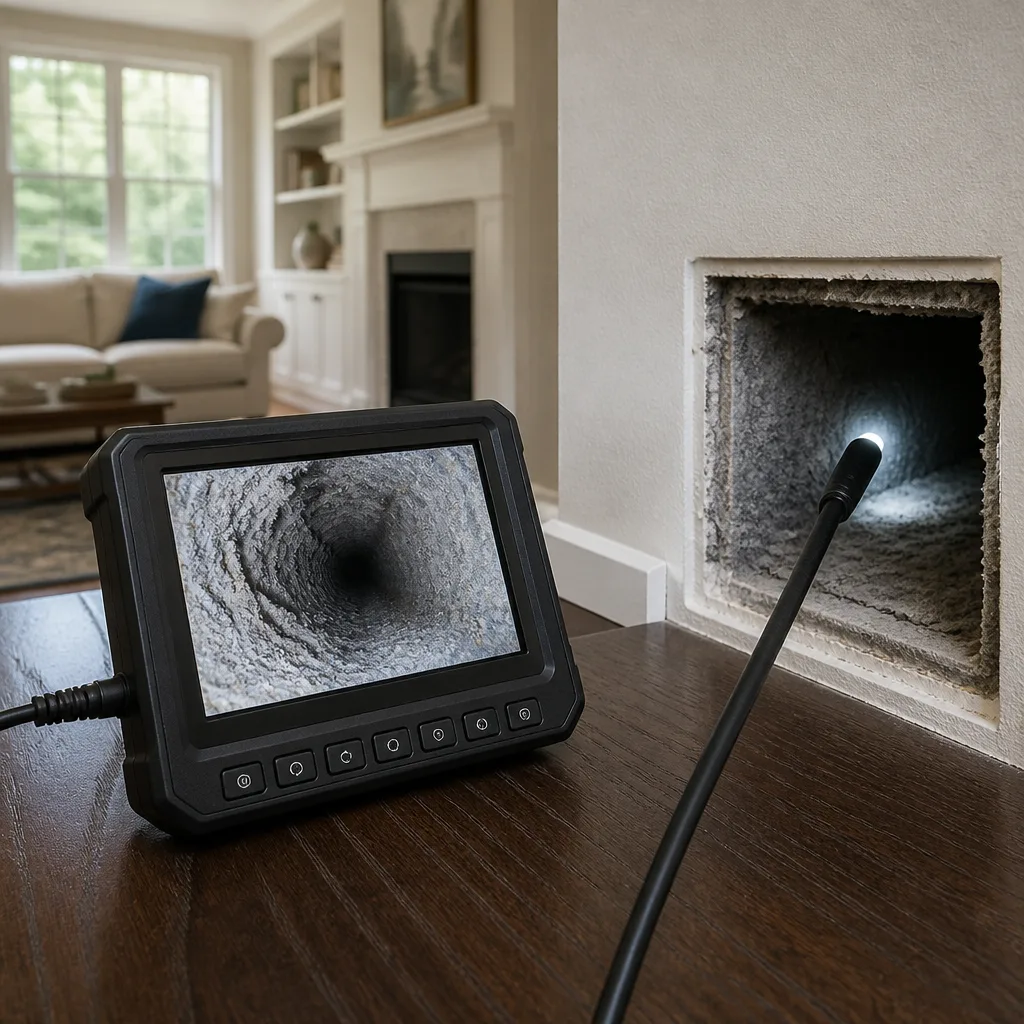 Camera inspection
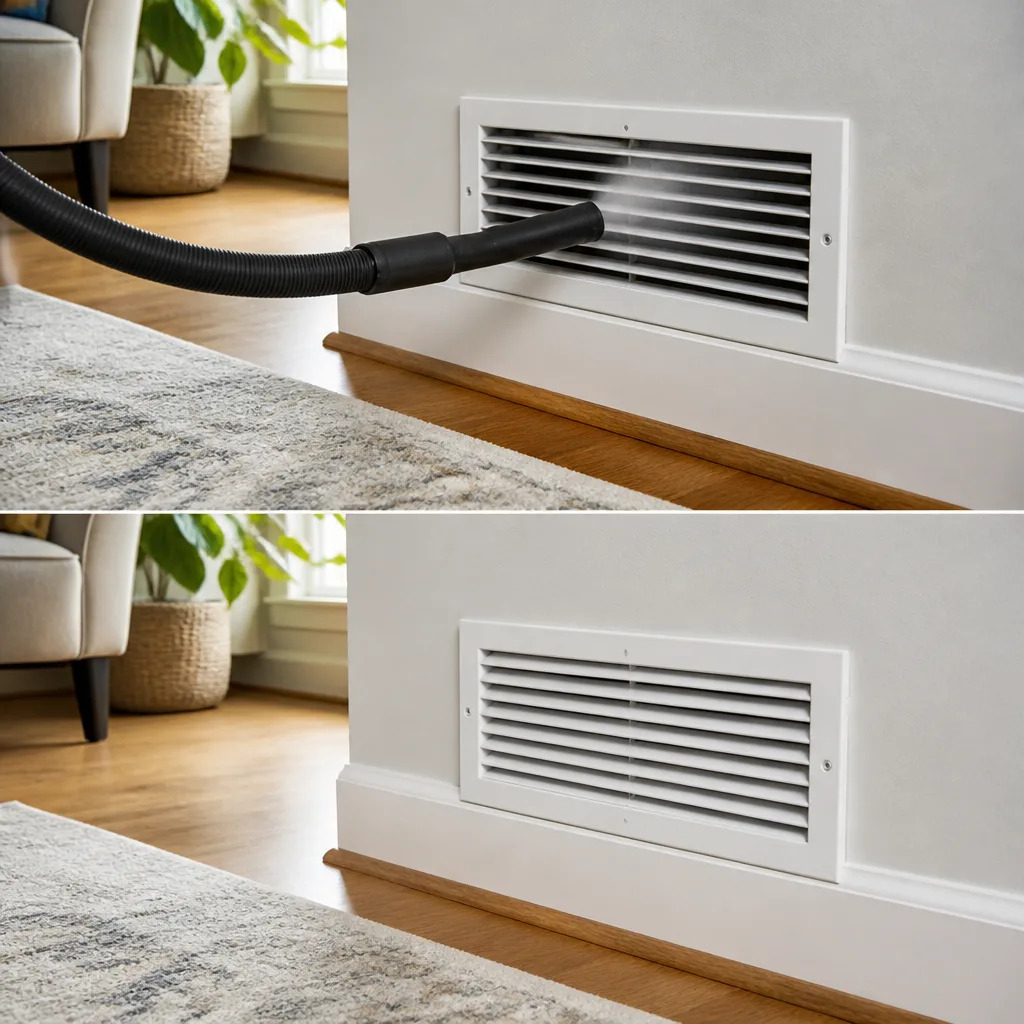 Sanitizing & deodorizing
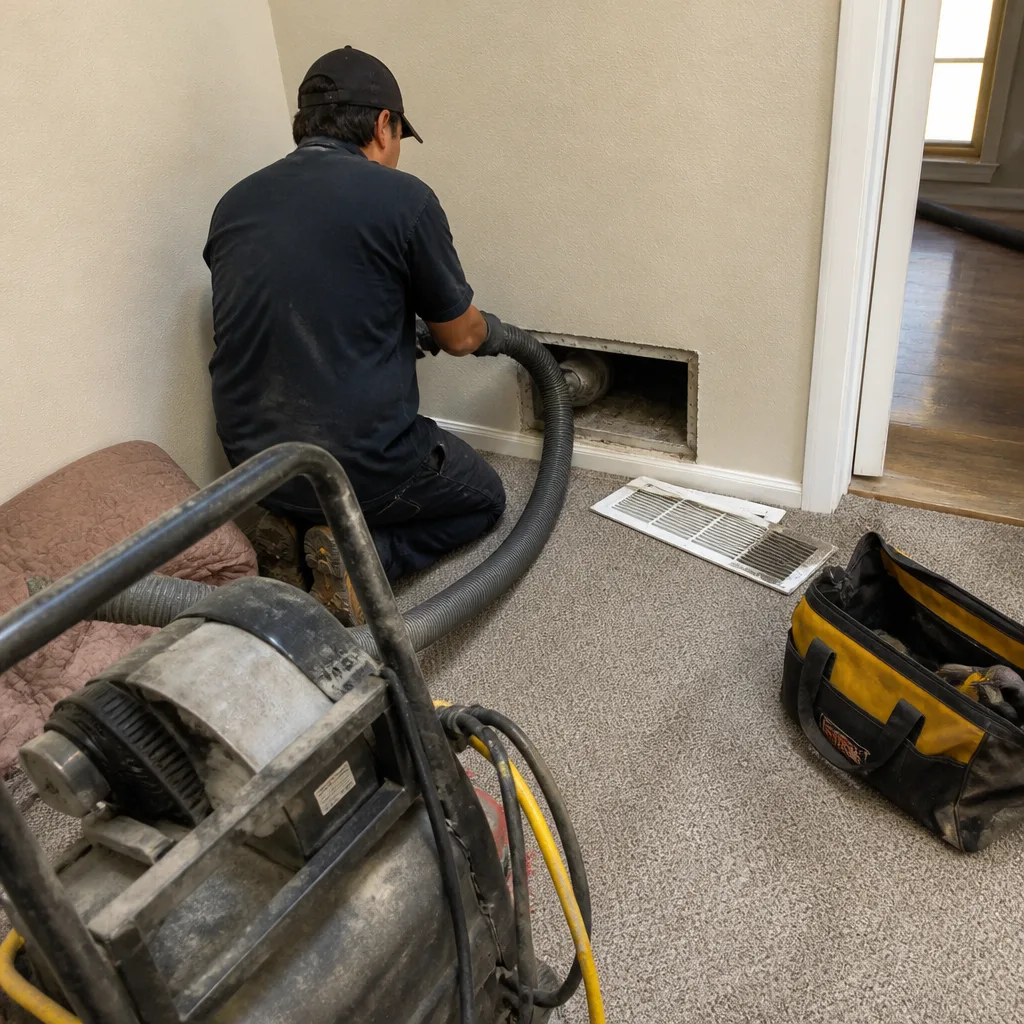
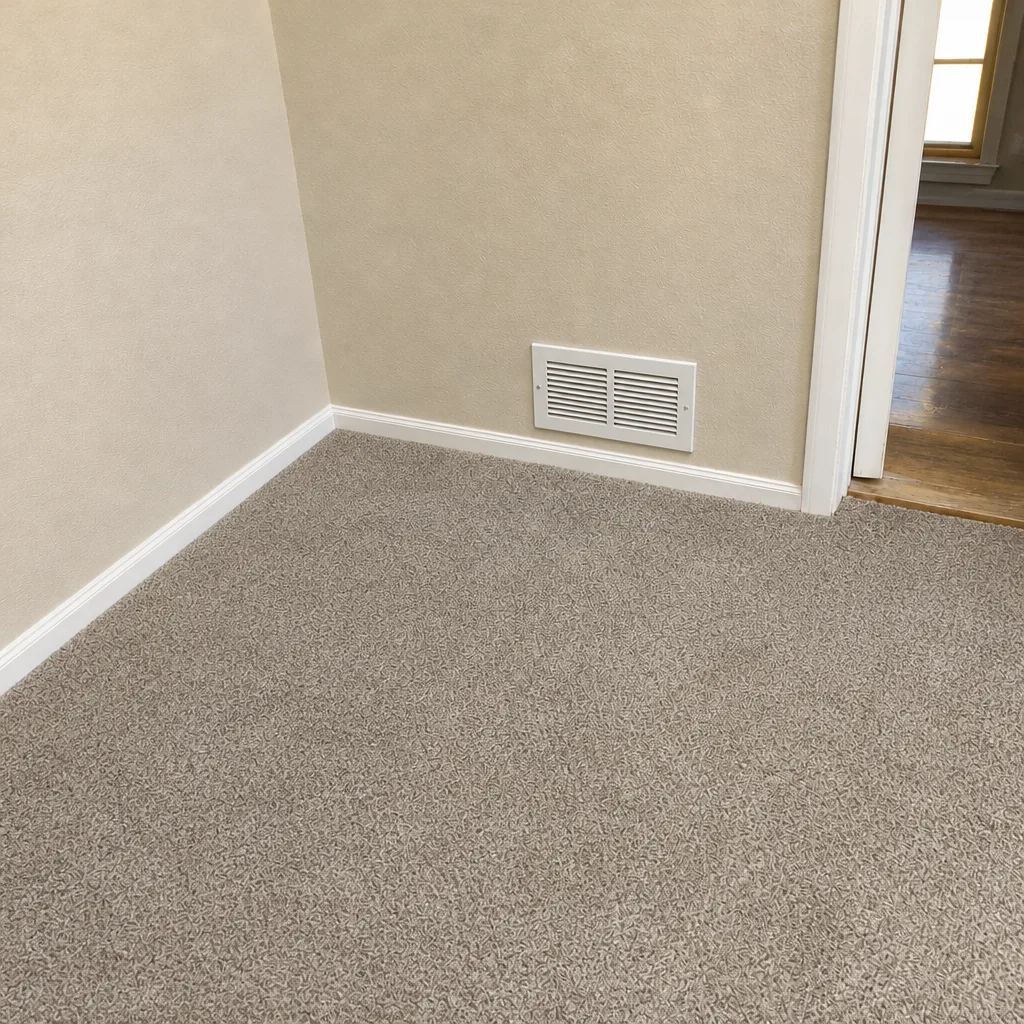
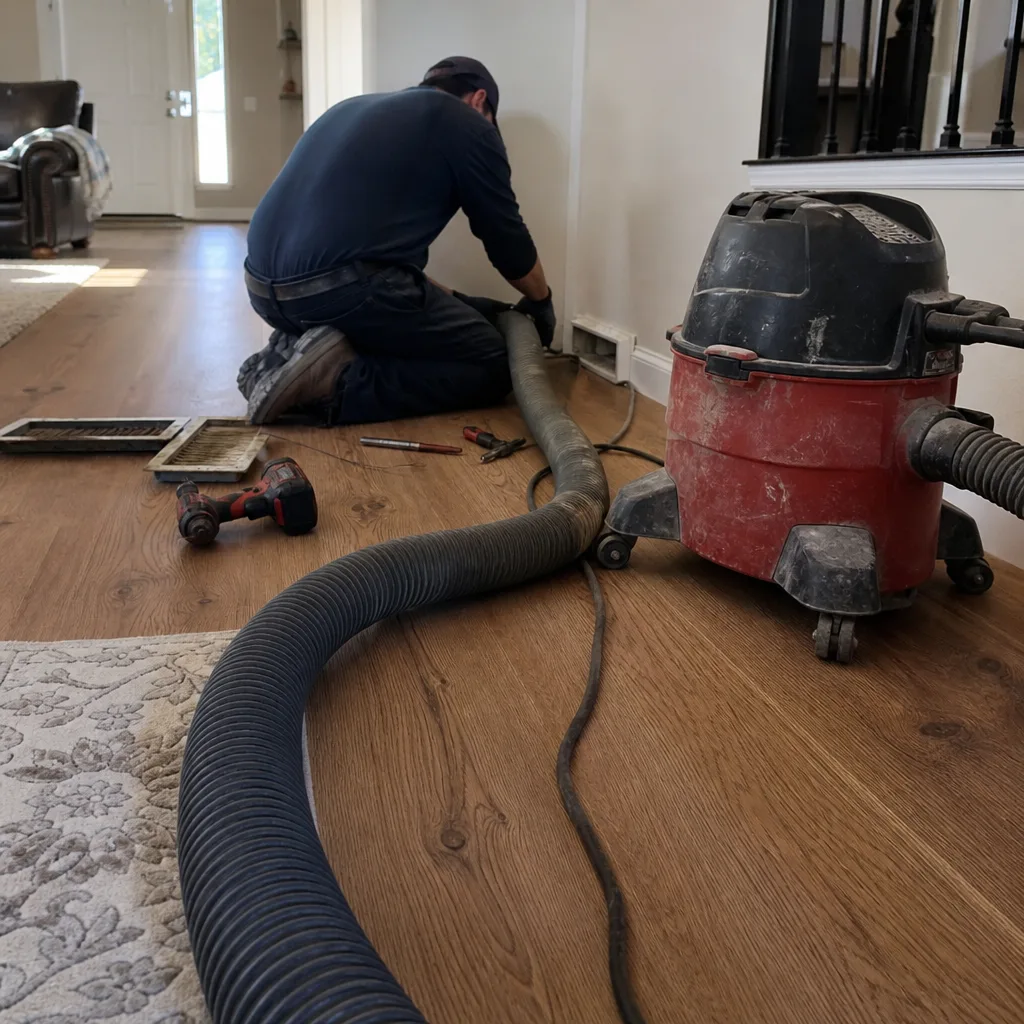
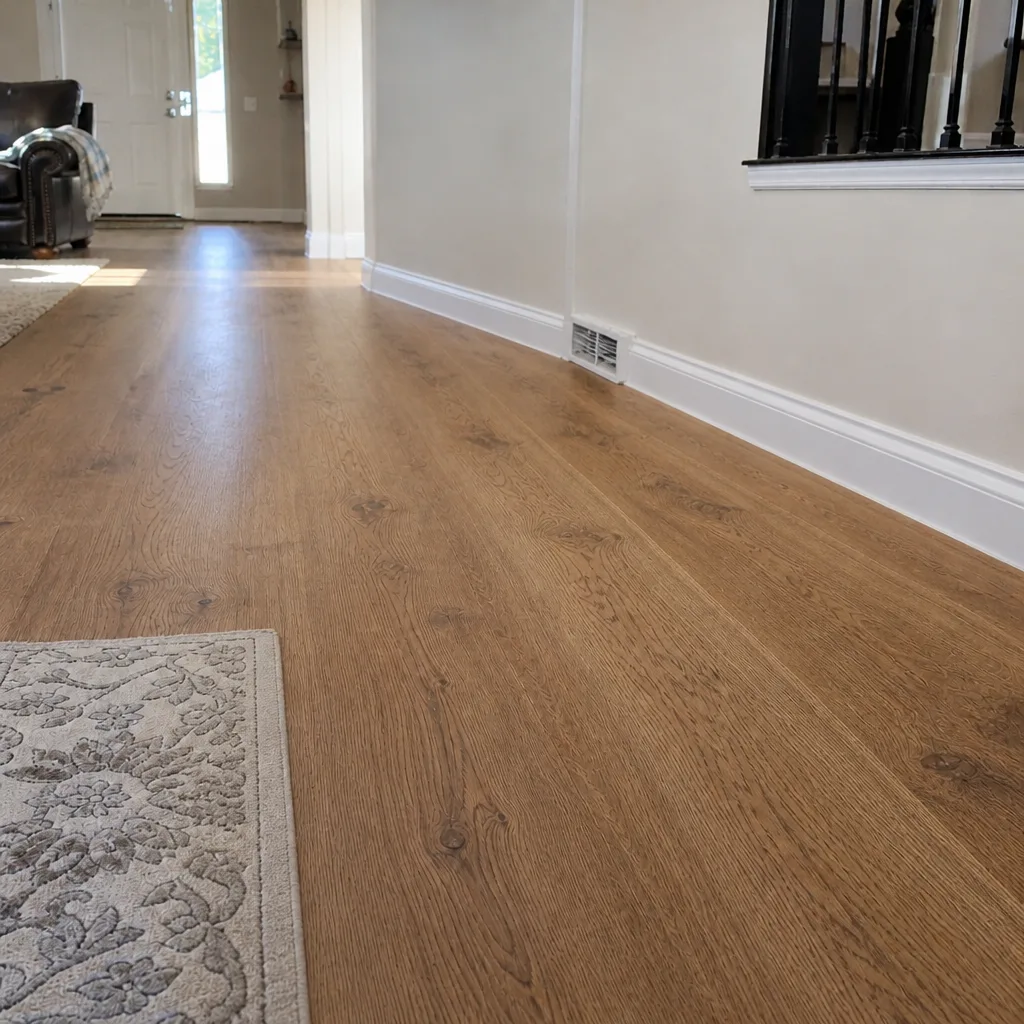
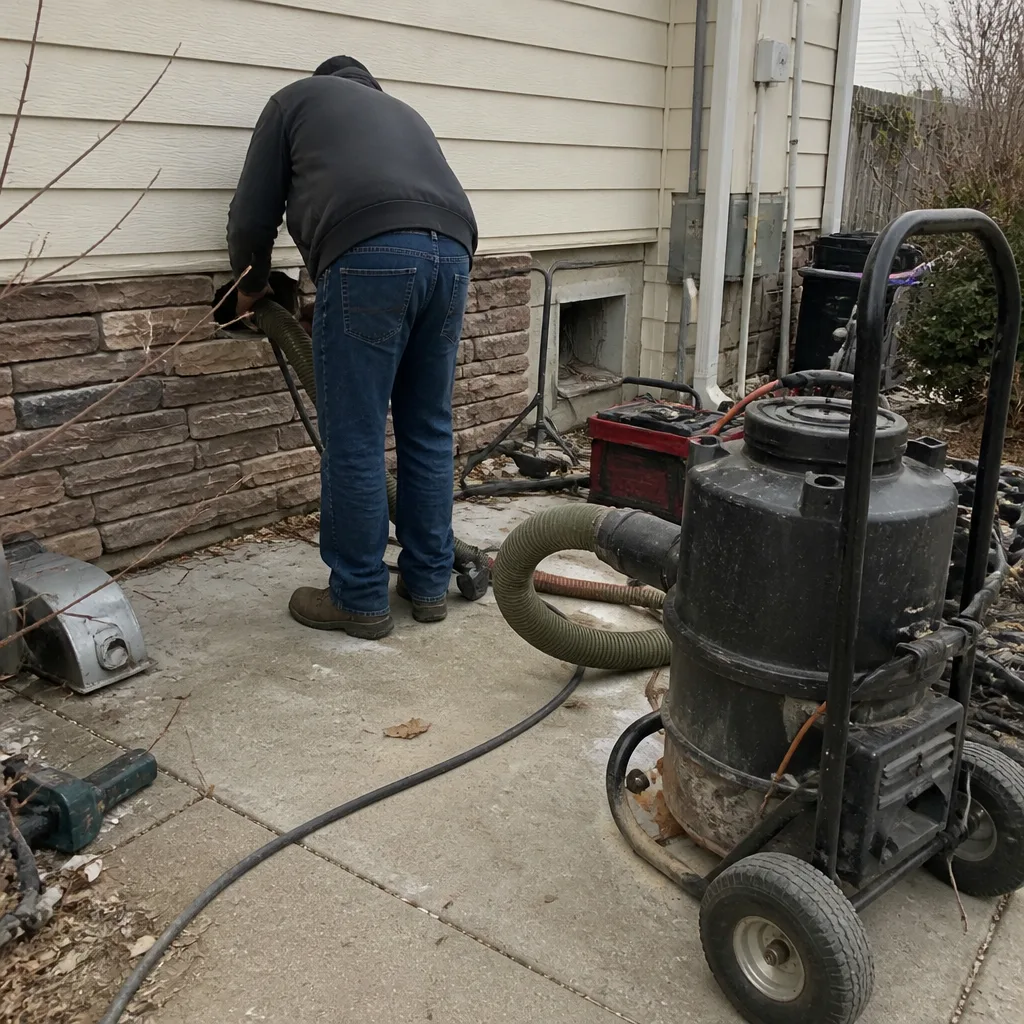
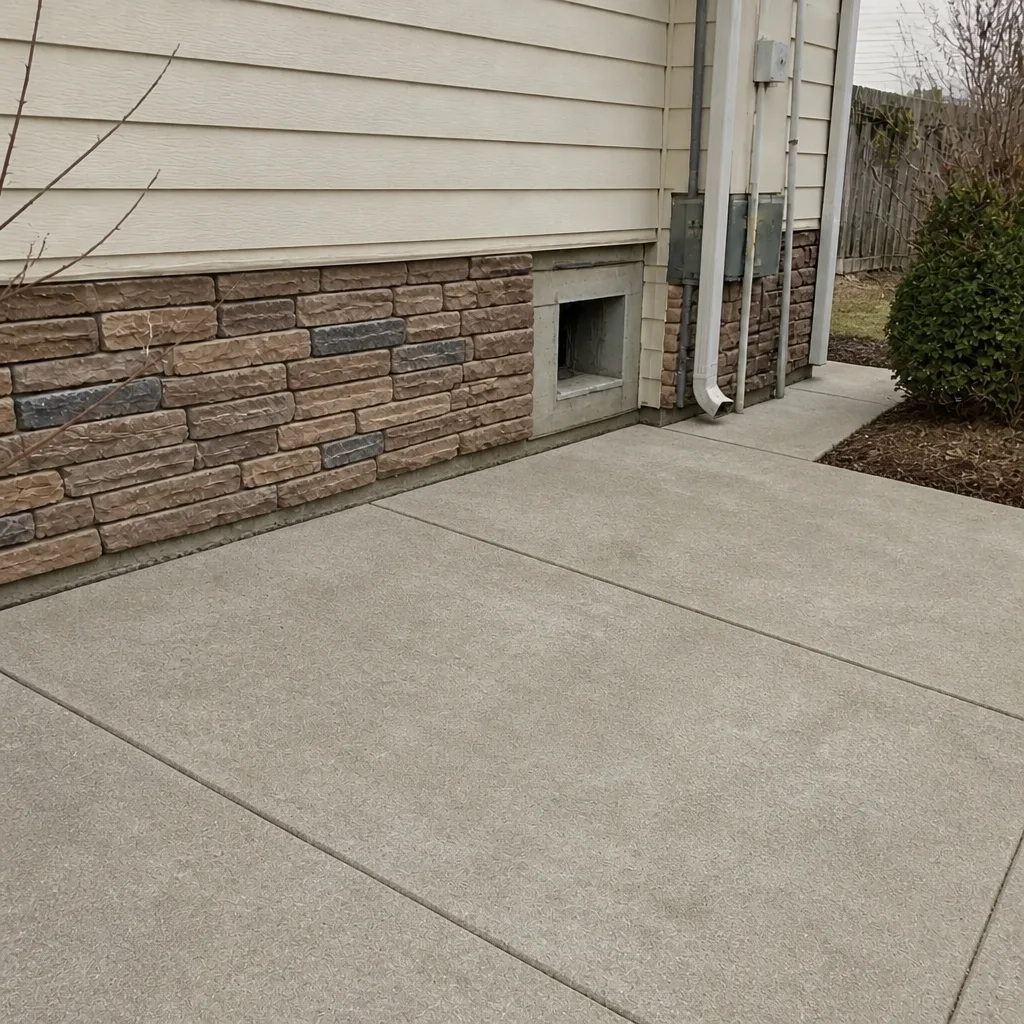
Whole-system duct and dryer vent check with before-and-after photos - you see exactly what came out of your vents
That "$99 whole-house special" is a bait ad - the real number appears once they are in your hallway, or the "clean" is a shop-vac at the register. We photograph the inside of your ducts before and after instead.
Air Duct Cleaning Maintenance Schedule: What to Do and When
The EPA’s oft-cited three-to-five-year cleaning window was never a universal prescription. It was a baseline for an average household, and it shares almost nothing with a Thornton home that runs the furnace most of the year, sheds from two dogs, and pulled drywall dust through every return during a 2023 remodel. The truth is that duct contamination runs on your household’s specific inputs, not a calendar someone else set. In this guide we’ll show you how to calculate your own real interval using pets, occupant count, HVAC runtime, and renovation history, then layer in the Front Range factors that push Thornton homes faster than the national average. You’ll finish knowing what to check yearly, what events override any schedule, and when to call in professional equipment.
Quick Answer
Most Thornton homes should have their air ducts professionally cleaned every two to four years, with homes running heavy HVAC hours, multiple pets, or recent renovation landing on the shorter end. A well-maintained MERV-13 filter extends that interval, while a neglected low-MERV filter collapses it. Annual self-inspection between cleanings catches problems before they compound, and certain events like flooding or a coil replacement reset the clock regardless of schedule.
Styles & brands we work with
- Whole-home duct cleaning
- Dryer vent cleaning
- Camera inspection
- Sanitizing & deodorizing
Table of Contents
- Why “Every 3-5 Years” Misses the Mark
- How to Calculate Your Household’s Real Cleaning Interval
- Front Range Factors That Accelerate Duct Loading
- Filter Maintenance: The Schedule Multiplier
- What to Inspect Annually Between Cleanings
- Post-Event Triggers That Override Any Calendar
- When to Bring In Professional Equipment
- Common Mistakes to Avoid
- When to Call a Professional
Why “Every 3-5 Years” Misses the Mark
Duct contamination is a rate, not a fixed deadline. Two homes on the same street can accumulate wildly different debris loads over the same period because five variables drive the rate far more than elapsed time. Treat any universal number as a starting guess, then adjust it against your actual household conditions.
Here are the variables that matter most:
- Occupant count and activity level. More people means more shed skin cells, more tracked-in dirt, and more hours per day the HVAC system circulates that material through the returns.
- Pets, and how many. A single short-haired cat adds measurable load. Two large shedding dogs can cut your interval in half compared to a pet-free home.
- HVAC runtime hours. Every hour the blower moves air, it moves whatever is suspended in that air across the filter and into the supply runs. A system that runs nine months of the year loads faster than one that coasts through a mild climate.
- Renovation history. Drywall dust, sawdust, insulation fibers, and paint overspray all get pulled into returns during construction unless the system is sealed off. A major remodel essentially resets your contamination clock to zero – and pushes you toward the front of the line.
- Filter discipline. A well-maintained higher-MERV filter removes far more particulate before it ever reaches the ducts. A neglected low-MERV filter lets nearly everything through.
In our experience across Thornton, the household that reads the manufacturer’s baseline and stops there is the one calling us two years too late. The household that tracks these five variables calls at the right time, saves a visit, and gets a more targeted cleaning when it does happen. The good news is that all five are things you can assess yourself in ten minutes with a notepad.
How to Calculate Your Household’s Real Cleaning Interval
You can build a working interval in about ten minutes. This isn’t a diagnostic test – it’s an honest scheduling tool. Start with a four-year baseline, then adjust up or down against the factors below and see where your household actually lands.
- Start with a four-year base. That’s a reasonable center point for a typical single-family home with average dust load and a maintained filter.
- Subtract for pets. Take one year off per shedding pet. One dog brings you to three years. Two dogs brings you to two.
- Subtract for heavy HVAC runtime. If your system runs nearly year-round – heating most of the winter and cooling most of the summer – remove another six months.
- Subtract for recent renovation. Any major interior work in the past two years? Remove a full year, and consider scheduling a cleaning now rather than waiting for the interval to hit.
- Subtract for a large household. Four or more occupants living full-time in the home justifies another six-month trim.
- Add for strong filter discipline. A properly maintained MERV-13 filter can legitimately extend your interval by six to twelve months. Note the word “maintained” – a good filter left to clog is worse than a fresh cheap one.
- Read the result. Two-year intervals mean you’re a heavy-load household and should treat cleaning as routine maintenance. Four years means a lighter load and you can be more relaxed about it.
Run this calculation honestly. In Thornton, altitude and long heating season push most homes toward the shorter end of the range. If you land on a two- or three-year interval, that’s not aggressive – it’s accurate for this climate. And if the result surprises you because your ducts have never been cleaned since you bought the house, treat that as a signal to book an inspection rather than argue with the math.
Front Range Factors That Accelerate Duct Loading
Thornton sits on the Front Range, which means outdoor particulate levels here are not the national average. Spring wind events lift loose soil and dust across the plains and drive fine particulate into every intake on the house. Wildfire smoke seasons deliver their own load, sometimes for weeks at a stretch. Filtration catches most of it, but filtration has a limit, and everything the filter misses ends up in the same ductwork that then distributes conditioned air back into your rooms.
Here’s how those factors translate to the schedule:
- Spring wind events. When you see sustained wind and visible dust haze, expect the filter to load fast. Check it two weeks after the event rather than waiting for the calendar change.
- Wildfire smoke weeks. During smoke events, homeowners naturally close windows and run HVAC fans longer, pulling outdoor particulate through the intake at a higher rate. That’s the right move for air quality indoors, but it accelerates duct loading.
- Altitude and runtime. Thornton homes work the HVAC system hard. Higher altitude means heat output drops on gas-fired equipment, so systems run longer to hit setpoint than they would at sea level. Every extra runtime hour is more air moved across the filter and through the ducts.
- Dry seasons and dust. Colorado’s low humidity in winter makes airborne dust easier to travel and harder to settle. Surfaces dry out, dust gets lighter, and the blower picks up more of it.
Stack these against a national baseline designed for a mild climate and you can see the problem. A three-to-five-year recommendation doesn’t account for a Thornton system running nine months of the year while wind and smoke events push extra load through it. If you want a city-level view of what cleaning involves in this market, our Duct Cleaning Thornton page outlines the standard scope. The front-range variables are precisely why we build cleaning intervals around the household instead of the calendar.
Filter Maintenance: The Schedule Multiplier
Filter choice and filter discipline are the single biggest controllable inputs in your cleaning interval. Two homes with identical construction and identical occupancy can load their ducts at very different rates based solely on what’s in the return grille and how often it’s changed.
Here’s how the filter math works in practice:
- A maintained MERV-13 filter captures a much higher fraction of the fine particulate that would otherwise settle in the ductwork. Changed on schedule, it can legitimately extend your cleaning interval by six months to a year.
- A neglected MERV-8 filter starts letting material through the moment it loads with dust. That said nothing gets past a completely blind filter, so the failure mode is a filter that’s clogged on the surface but bypassing air around a collapsed media or a warped frame.
- A missing filter – yes, we see it – removes the only barrier between your return air and the blower assembly. Duct contamination accelerates immediately, and the blower and coil take the hit as well.
The right pattern is a monthly filter check, not a quarterly one. Pull it out, hold it to a window, and look through. If you can’t see daylight, it’s due for replacement regardless of what the calendar says. During spring wind events and smoke weeks, check every two weeks. That single habit will do more for your duct interval than any other action.
For homeowners running premium air-quality systems like Honeywell or Aprilaire, the filter discipline requirement is tighter still. Those systems are designed around a specific pressure drop, and a filter running past its service window throws off the balance and forces the blower to work harder. Your Honeywell or Aprilaire system deserves a compatible crew that understands the airflow relationship – not one that just vacuums out the duct and leaves the filter configuration alone.
What to Inspect Annually Between Cleanings
Professional cleanings are the reset points, but the year between them deserves a light annual inspection so nothing compounds quietly. You don’t need specialized tools for any of what follows. Twenty minutes with a flashlight and a step stool covers it.
- Look into the registers. Remove one or two supply grilles and shine a light into the duct. A light dust film is normal. Visible clumps of debris, hair matted against the walls, or a dark coated surface all suggest the cleaning interval has been exceeded.
- Check return grilles for buildup. The return side pulls the heaviest load. A return grille with a visible dust mat on the back means the filter is failing to catch what it should, and the ductwork behind it is likely worse.
- Read filter condition, not filter age. Delta pressure – how much the filter drops airflow – is the real metric. If your home feels like it’s not heating or cooling as effectively as it used to, and the filter looks loaded, the filter is past due regardless of the calendar.
- Inspect accessible flex duct. Any flexible duct run you can reach in a basement or crawlspace should be checked for tears, kinks, disconnected joints, or crushed sections. A collapsed flex run is a repair issue, not a cleaning issue, and it will hurt airflow to that room permanently.
- Listen at the registers. A sudden increase in air noise at a register often means a joint has come apart somewhere upstream and the air is dumping into an unconditioned space instead of your room.
- Note any new stains or smells. Musty odors or rust marks near return boxes point to moisture intrusion that needs a repair visit, not just a cleaning.
Keep a small log of what you find each year. When your scheduled professional cleaning does come due, the technician gets a much clearer picture of what’s happened in the system. Our air duct cleaning process covers inspection, containment, and cleaning, but a homeowner’s notes up front make both the cleaning and any needed repair more targeted.
Post-Event Triggers That Override Any Calendar
Some events reset your cleaning clock regardless of where you sit in the interval. If any of the following has happened since your last cleaning, schedule a professional visit now rather than waiting for the calendar to catch up.
- Basement flooding or water intrusion. Water in the ducts or in unconditioned space near ducts creates a moisture problem that can feed biological growth. This is a containment-and-repair situation, not a routine cleaning.
- HVAC coil replacement or major system work. Coil work disturbs collected debris and often leaves metal shavings, insulation fibers, and loose material behind. A cleaning after the repair closes the loop.
- Rodent evidence. Droppings, gnaw marks, or nesting material anywhere near the ductwork means professional containment, cleaning, and often duct repair. A shop-vac and a promise is not enough for this job.
- Major interior renovation. Drywall dust and construction debris are drawn into returns continuously during a remodel. Even with plastic sheeting and careful sealing, a post-renovation cleaning is effectively mandatory.
- New home purchase with unknown history. If you can’t confirm when the ducts were last cleaned, assume the answer is “not recently” and schedule an inspection during the first months in the home.
- A severe smoke or wind event followed by persistent smells. When odors linger well past the event, the particulate load has likely moved into the ductwork and will keep circulating until the system is cleaned.
These triggers are exactly why we don’t treat cleaning as a purely calendar-driven service. When we send a technician out after a trigger event, we use Abatement Technologies containment equipment and Nikro HEPA-rated vacuum systems for a reason: event-driven cleans handle heavier and more varied contamination loads, and the containment discipline that restoration crews use needs to come along with it.
When to Bring In Professional Equipment
There’s a wide gap between what a homeowner can inspect and what a professional cleaning actually removes. What matters is what gets dislodged and captured, not what gets wiped off the surface. Consumer-grade vacuums and shop-vacs move air but don’t contain the fine particulate they displace. That material ends up back in the room.
A professional cleaning is fundamentally different in three ways:
- Rotary-brush agitation from a rotational system. Consumer brushes scrub the visible surface. A Rotobrush system works brushes through the length of the run under controlled air, loosening material adhered to the walls that a surface pass would miss entirely.
- HEPA-rated capture. Nikro HEPA vacuum systems actively pull displaced debris out of the air stream rather than recirculating it. Containment equipment from Abatement Technologies keeps the work zone sealed so nothing drifts into the living space.
- Duct repair as part of the visit. When a technician finds a disconnected joint, a crushed flex run, or a failing seal during the cleaning, that repair can be addressed on the spot. No second contractor, no second appointment.
That last point matters more than most homeowners expect. A cleaning that reveals a broken duct joint and then leaves it broken is only half the job. We also handle dryer vent cleaning, which is a separate and equally serious fire-risk category – dryer vents are a fire risk, not a footnote, and a lint-clogged vent is worth addressing on the same visit as the ductwork.
Common Mistakes to Avoid
- Treating three-to-five years as a universal rule. Thornton households with pets and heavy heating runtime routinely load their ducts faster than a mild-climate baseline assumes. Build the interval from your own variables.
- Running an undersized filter for years. A cheap MERV-8 filter replaced late is worse than a MERV-13 replaced on schedule. Filter choice and discipline are the top two schedule multipliers you control.
- Skipping post-renovation cleaning. Drywall dust pulled into the returns during a remodel doesn’t settle out on its own. If you did a major build-out in the past two years and haven’t cleaned since, the schedule is already past due.
- Assuming a cheaper quote means a better deal. A low bid that shows up with a shop-vac moves surface dust but doesn’t contain the fine particulate it displaces. Ask what equipment the crew uses and what containment they bring.
- Ignoring flex-duct condition between cleanings. A crushed or disconnected run in a crawlspace stays crushed until someone looks. Check accessible flex runs each year, not just at cleaning time.
- Failing to write down when you last cleaned. Without a date on record, the next homeowner inherits an unknown history. Keep a simple note with the cleaning date each time.
- Waiting for visible debris to prompt a call. By the time debris is visible at the register, the contamination load behind it has been circulating for a while. Call on the interval, not on the symptom.
- Treating dryer vent cleaning as optional. Dryer vents clog silently and are a leading cause of residential house fires. Add them to the schedule alongside the ducts, not after them.
When to Call a Professional
You need a trained crew, not a homeowner inspection, when any of the following apply: visible debris or a heavy dust film inside the supply runs, a return grille with a matted back, musty odors that don’t clear, evidence of rodent activity, a basement that flooded near ductwork, a major renovation in the last two years, or a diagnosed duct defect such as a disconnected joint or crushed flex run. If any single item on your calculated interval has come due, that also qualifies – don’t wait for the system to force the issue. Duct Cleaning Thornton offers free estimates in Thornton with a written price agreed before work begins. Call (888) 495-2236. We answer 24/7. Fast dispatch from 7am to 7pm, Sunday through Friday.
Frequently Asked Questions
Most Thornton homes should schedule a professional cleaning every two to four years, with homes running pets, heavy HVAC hours, or a recent renovation landing on the shorter end of that range. The three-to-five-year national baseline doesn’t account for the altitude-driven runtime and Front Range particulate load that shape Thornton households specifically. Calculate your interval from your own variables, then call (888) 495-2236 for a free estimate.
Cost depends on the number of systems, the number of supplies and returns, and the level of contamination found at inspection. We don’t quote a per-vent figure or a teaser coupon price, because those rarely reflect what the job actually takes. The written estimate sets the final price, and we agree that price before any work begins. Call (888) 495-2236 for an exact quote – estimates are free.
A low bid usually reflects what’s missing from the crew: professional rotary-brush equipment, HEPA-rated containment, and a repair scope. A shop-vac with a promise moves dust but displaces fine particulate back into the room. Our crews run Rotobrush systems, Nikro HEPA vacuums, and Abatement Technologies containment because capture, not surface cleaning, is what actually resets a system. Call (888) 495-2236 to talk through the real scope.
You should see the equipment, see the containment in place, and see before-and-after photos of your own ducts. A credible crew documents what they found and what they removed. Ours does, because capture is the whole point of the visit. If the quote is by phone and the bill is by surprise, that’s a sign to call someone else. Call (888) 495-2236 to book an estimate.
Yes – a properly maintained MERV-13 filter can legitimately extend your duct cleaning interval by six months to a year because it removes a much higher fraction of fine particulate before that material reaches the ductwork. The word “maintained” matters: a loaded MERV-13 left in service is worse than a fresh lower-MERV filter. Check monthly, more often during spring wind and smoke events. Call (888) 495-2236 if you want help reading your current filter setup.
Yes. Duct repair is a named service at Duct Cleaning Thornton, so a disconnected joint, a crushed flex run, or a failing seam found during cleaning can be addressed on the same visit. That saves you a second contractor and a second appointment. Call (888) 495-2236 to schedule. We answer 24/7. Fast dispatch from 7am to 7pm, Sunday through Friday.
The Bottom Line
Your duct cleaning interval is a product of your household, not a number someone else printed in a brochure. Count the pets, count the occupants, estimate HVAC runtime honestly, and factor in any renovation in the last few years. Layer in the Front Range wind and smoke events, then discipline your filter routine so a maintained MERV-13 pulls its weight. Check the registers and accessible flex duct every year. Treat flooding, coil work, rodent evidence, and major remodels as reset triggers that override any interval you’ve set. When the math says it’s time, bring in professional equipment – Rotobrush rotary agitation, Nikro HEPA capture, and Abatement Technologies containment – and let the crew also repair anything they find while they’re in there. That’s the whole schedule. The rest is routine.
Written by the team at Duct Cleaning Thornton.
See the difference
 Before
 After
 Before
 After
 Before
 After