
Last updated November 15, 2026
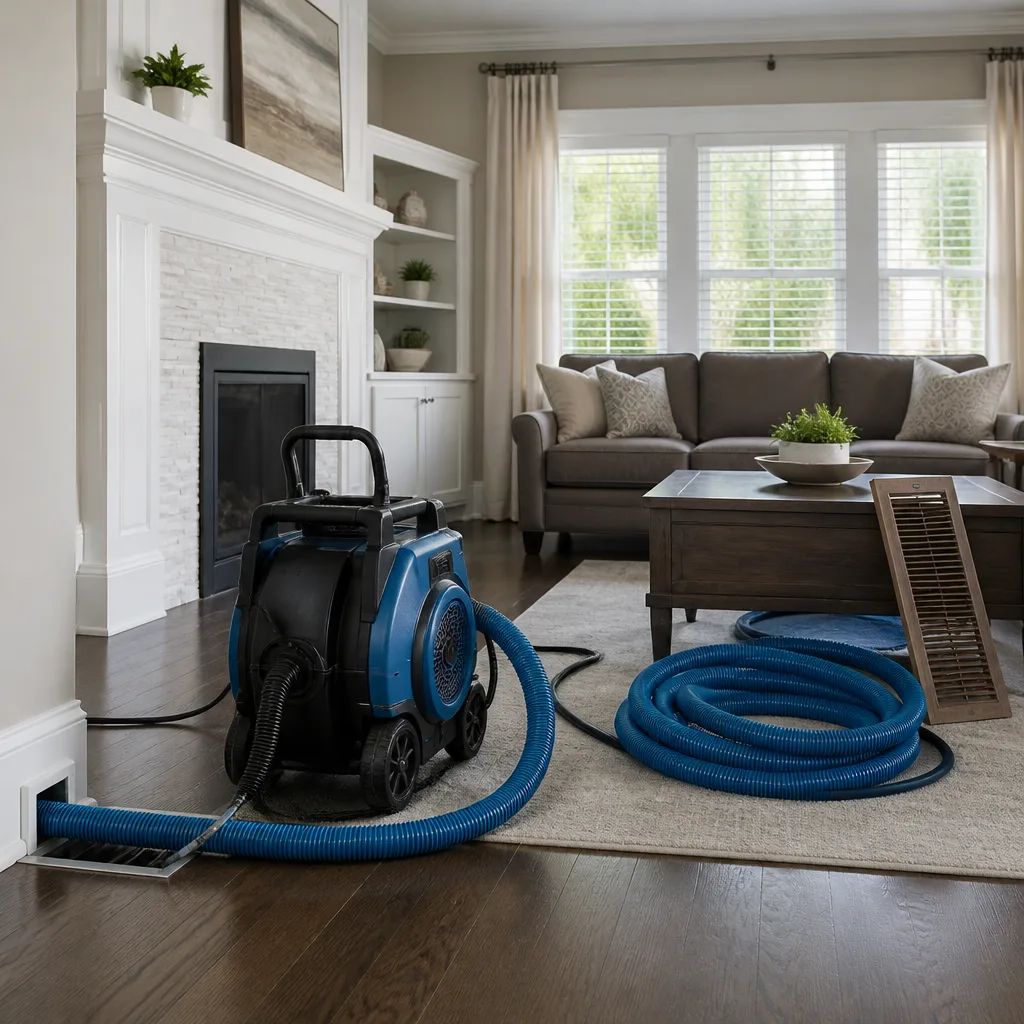 Whole-home duct cleaning
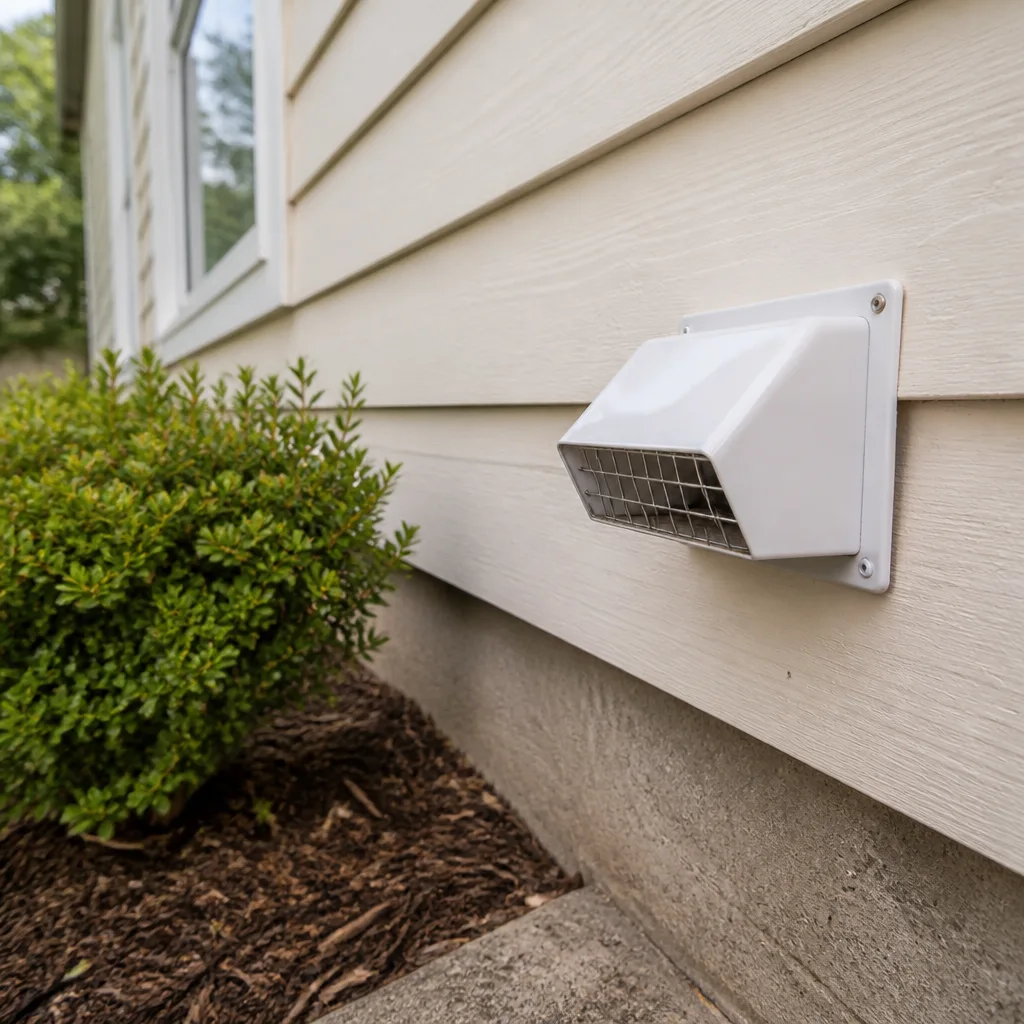 Dryer vent cleaning
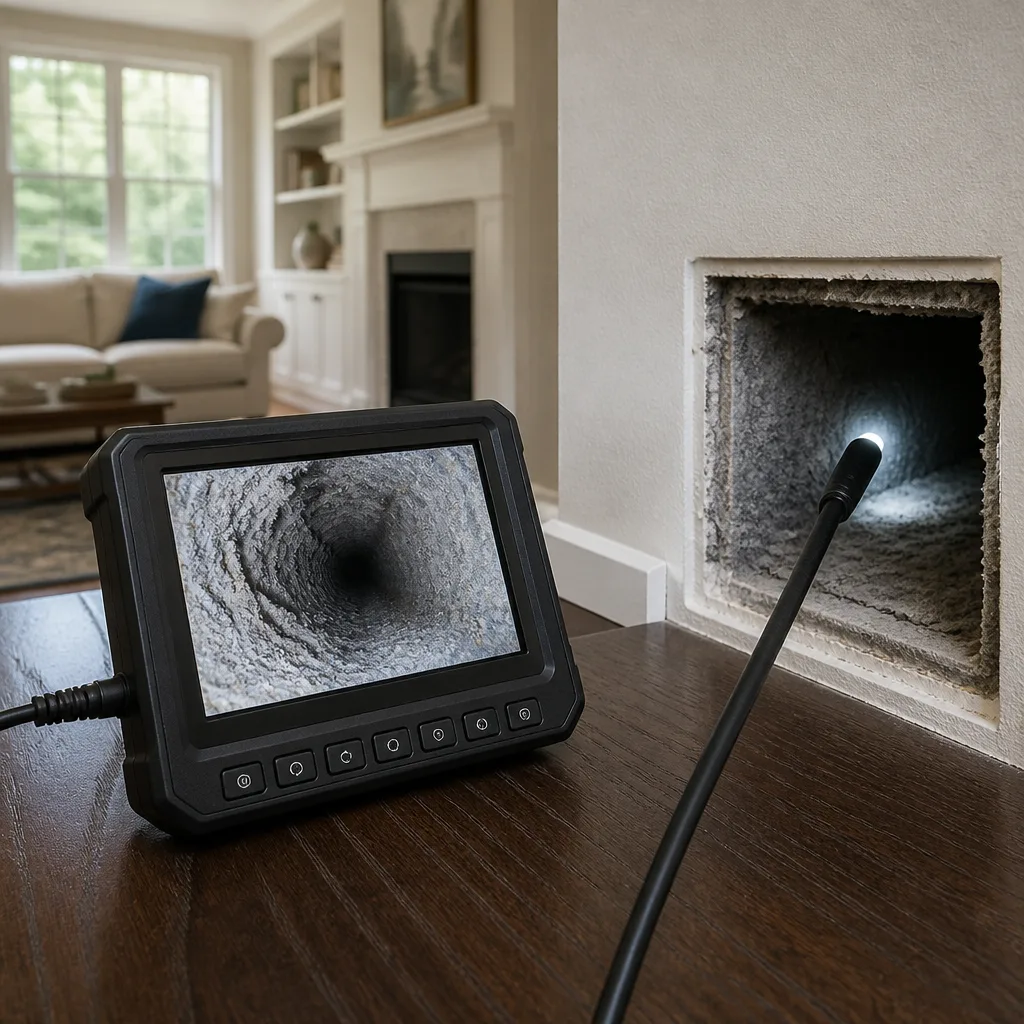 Camera inspection
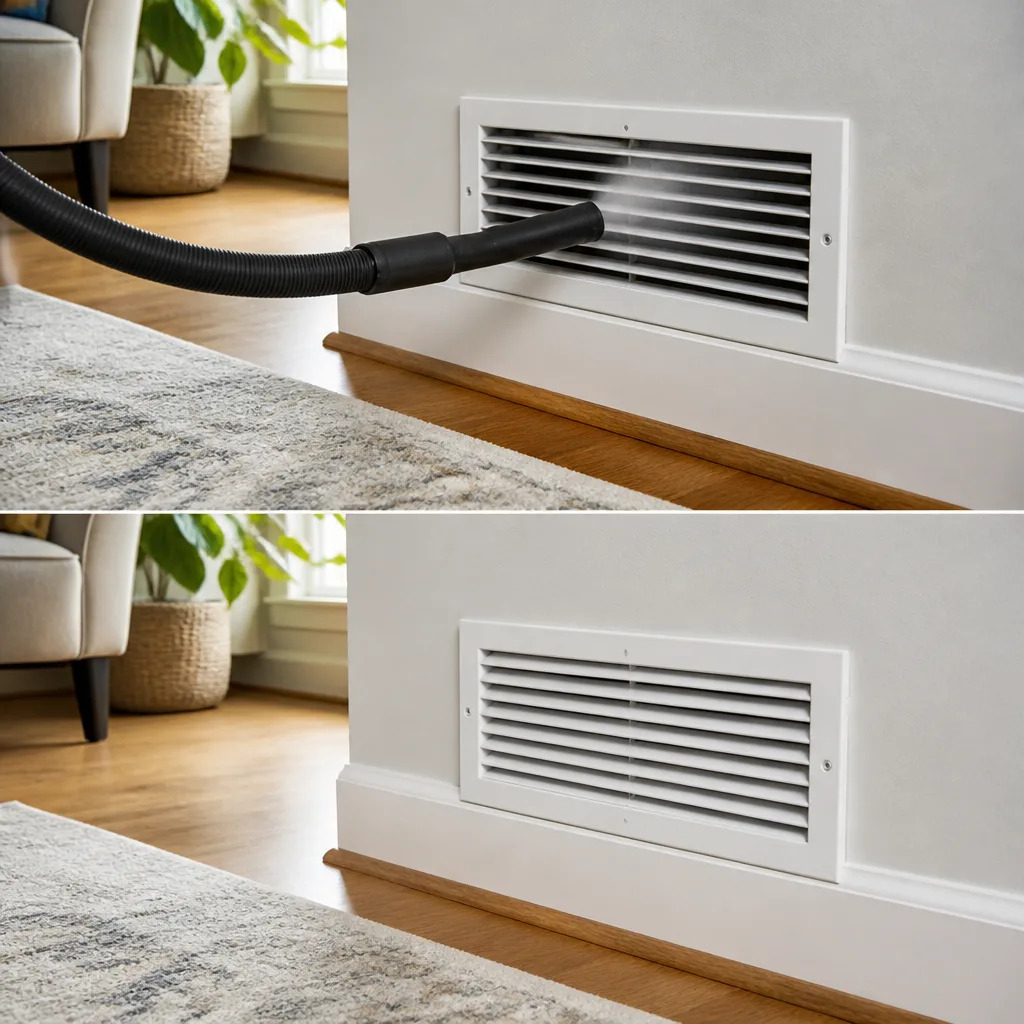 Sanitizing & deodorizing
Whole-system duct and dryer vent check with before-and-after photos - you see exactly what came out of your vents
That "$99 whole-house special" is a bait ad - the real number appears once they are in your hallway, or the "clean" is a shop-vac at the register. We photograph the inside of your ducts before and after instead.
Air Duct Cleaning Troubleshooting in Thornton: Common Problems and How to Fix Them
If your ducts were “just cleaned” six months ago and the registers are dusty again, the problem probably isn’t your ducts. It’s what the last crew left behind. Short-cycle equipment, a skipped branch line, or a flex joint that came loose years ago will all produce the same complaint: dust that keeps coming back no matter how many times someone runs a vacuum. In Thornton, where new-build homes often have long flex runs through unconditioned attics and older homes have decades of accumulated debris in the trunk, those weaknesses show up fast. This guide treats each symptom as a diagnostic clue, not a reason to book another cleaning. You’ll learn how to tell a dirty-duct problem from a duct-breach problem, why odors return, and when the answer is repair, not another visit.
Quick Answer
Most recurring duct problems in Thornton are caused by one of three things: incomplete cleaning that never reached the branch lines, a physical breach like disconnected or collapsed flex duct, or a source of moisture or contamination the last crew didn’t address. Before scheduling another cleaning, test your system for airflow asymmetry and visible gaps at joints. If you find either, the fix is repair, not re-cleaning.
Styles & brands we work with
- Whole-home duct cleaning
- Dryer vent cleaning
- Camera inspection
- Sanitizing & deodorizing
Table of Contents
- Is It a Dirty Duct Problem or a Duct Breach Problem?
- The Airflow Asymmetry Test: A Five-Minute Diagnostic
- Why Do Musty Odors Come Back After a Cleaning?
- Why Is One Room Always Dustier Than the Others?
- Rotobrush and Nikro vs. a Portable Vacuum: How to Tell What You Got
- When Duct Repair Beats Re-Cleaning
- The Dryer Vent Problem Homeowners Overlook
- Honeywell and Aprilaire Systems: Compatibility Matters
Is It a Dirty Duct Problem or a Duct Breach Problem?
The words “dirty ducts” and “broken ducts” describe two different failures with two different fixes, and homeowners usually confuse them. Dirty ducts hold debris but the system is physically sound. A breach is a gap, a disconnect, or a collapsed section that lets attic air, insulation fibers, or unconditioned air enter the airstream. Cleaning a breached system is wasted money because the contamination source stays open. Around Thornton, where a lot of housing stock was built with flex duct run through hot attics, the flex joints are the first thing to inspect. Sun and heat degrade the outer jacket over time, and a joint that has pulled apart won’t announce itself with a loud noise. It just quietly leaks.
Here’s the difference in practical terms:
- Dirty duct symptoms: dust on registers that builds up evenly across the home, a slight musty smell that fades after cleaning, visible debris in the return grille.
- Breach symptoms: one or two rooms with weak or no airflow, dust concentrated in specific rooms, attic smells in the living space, whistling at seams, or a flex run you can see sagging in the attic.
If you have any of the breach symptoms, the sequence is repair first, then clean. We also repair what we find, which matters here because a cleaning crew that can’t fix a disconnected flex run will hand you a clean system that starts leaking again the same week. For a full picture of what a proper cleaning covers, see our air duct cleaning page. And if you’re just starting research, our Duct Cleaning Thornton overview explains the whole scope in one place.
The Airflow Asymmetry Test: A Five-Minute Diagnostic
You can narrow down most duct problems yourself in about five minutes with your hand and a flashlight. The test looks for airflow asymmetry, meaning one part of the system moves noticeably less air than another. Here’s how it goes:
- Turn the system fan to “on” from the thermostat so air moves without heating or cooling cycling on and off.
- Walk to each supply register and hold your palm flat a few inches away. Note the strength as strong, medium, or weak.
- Compare rooms. Small differences are normal. A register that feels like half the airflow of the next room is a signal.
- Check each return grille the same way. A return that barely pulls is often the cause of a starved system.
- Look at the joints you can reach in the attic, basement, or mechanical closet. Use a flashlight and look for daylight, separated flex duct tape, or a run sagging off its support.
Two patterns matter. If one register is weak and the others are strong, suspect a branch line that was never cleaned or a flex run that disconnected. If every register is weak, suspect the main trunk, the blower, or a filter so loaded the system can’t breathe. Either way, a weak register is a clue, not a chore to clean around. When we run this test on homes in Thornton, the answer is often a branch line the previous crew never touched. The main trunk gets all the attention, and the branches get skipped.
Why Do Musty Odors Come Back After a Cleaning?
A musty smell that returns within weeks of a cleaning almost always means one of two things: contaminated material was disturbed but not removed, or a moisture source upstream was never addressed. Professional cleaning relies on negative-pressure containment, which means the vacuum holds the duct system under negative pressure so displaced debris travels into the HEPA filter instead of drifting into your living room. When that containment is weak, dust settles back inside the duct walls and the smell returns as soon as the system cycles. Abatement Technologies negative-air and HEPA-filtration equipment is the standard we use for that reason. It’s remediation-grade containment applied to a residential cleaning, which is the difference between removing a problem and stirring it up.
The second cause is moisture. Ducts in Thornton homes see real seasonal swings: dry winters, wet spring snowmelt, and summer humidity that can condense on cold duct surfaces in an unconditioned space. Where moisture sits, biological growth can follow, especially on duct board or insulated flex. Cleaning removes surface material but doesn’t fix a wet surface that keeps feeding the problem. That’s why a good inspection before cleaning matters more than the cleaning itself. If a crew clean only and never looked for a moisture source, the smell will come back and you’ll be back on the phone. Odor that returns despite cleaning is a signal to inspect, not to re-clean. A quick call to (888) 495-2236 can get a free estimate that includes a look at the moisture side of the problem.
Why Is One Room Always Dustier Than the Others?
One chronically dusty room in an otherwise clean home is a diagnostic signature, not bad luck. Three things explain it most of the time. First, register placement: a supply register aimed at the floor or blocked by furniture dumps dust right where it settles. Second, return-air ratio: rooms with a supply but no return path, or doors that close and seal a room off, run at positive pressure and push dust into every crevice. Third, and most common after a cut-rate cleaning, the branch line to that room was never cleaned at all. A technician who only works the main trunk leaves every branch line untouched, and the room served by a skipped branch keeps blowing debris.
Here’s a short checklist for a dusty single room:
- Confirm the supply register is open and unobstructed by furniture, curtains, or rugs.
- Check whether the room has a return path. If the door seals the room and there’s no return grille, the room runs pressurized.
- Look at the branch line in the attic or crawlspace if you can see it, and check for a disconnected or crushed flex run.
- Ask the last crew whether they cleaned the branch lines or just the trunk. The answer usually explains it.
If the branch was the problem, the fix is a thorough cleaning that reaches it, and sometimes a repair if the branch is damaged. Our Thornton page covers how we scope a whole-house job so no branch gets skipped. If you’re dealing with a dusty room after a recent move, that’s common in resale homes where the HVAC history is a mystery.
Rotobrush and Nikro vs. a Portable Vacuum: How to Tell What You Got
The equipment behind a cleaning determines the result, and you can often tell from the before-and-after photos which kind of job you actually got. Portable vacuums and consumer-grade shop-vacs pull a fraction of the airflow a professional system does. They reach the trunk because that’s the easy run, then struggle or quit on branch lines and long flex runs. A Rotobrush rotary-brush system, paired with a Nikro HEPA-rated vacuum, agitates the duct walls while actively capturing displaced debris. That combination is the same equipment commercial and restoration contractors use, and it’s the reason a proper cleaning doesn’t leave a dust cloud on the way out.
How to read your before-and-after photos:
- Good sign: photos show the inside of branch lines and returns, not just the trunk. You can see the duct walls themselves, not the register grille from the living room.
- Good sign: debris is gone from corners and seams, and the photos are taken at the same angle before and after.
- Red flag: photos only show the register face or the outside of the duct. That’s a photo of a grille, not the interior.
- Red flag: the crew never set up containment equipment, and your home smelled like a dust storm for an hour afterward.
If you can’t tell from the photos, ask what equipment was used by name. A crew that can’t tell you is a crew that probably used a shop-vac and a coupon. The brands a serious operator will name are the ones that matter: Rotobrush, Nikro, Abatement Technologies. You can see the full picture of our equipment and process on our Thornton air duct cleaning page, or dig into the service details.
When Duct Repair Beats Re-Cleaning
There’s a point where the answer stops being “clean it again” and starts being “fix it.” That point has clear markers, and if you’ve ever sat on the fence about it, checking for these signs will settle the question:
- Daylight at a joint. Look at the joints in the attic or basement with a flashlight and the fan running. Visible daylight through tape or a seam means that joint is leaking air from outside the duct.
- The hand-to-register test. If the shortest run feels weak while a far run feels strong, the system has a pressure loss. Re-cleaning won’t restore airflow; repair might.
- Whistling at seams. Air escaping under pressure makes noise. A whistling seam is air leaving the duct, which means dust is also entering somewhere else.
- A sagging flex run. Flex duct that sags between supports collects dust and restricts airflow. Repair usually means re-routing or re-supporting the run.
- Insulation fibers or attic smells in the airstream. Both point to a breach. Cleaning a breached system can’t fix the source.
If you find daylight at a joint, you have a repair problem. We also repair what we find, so a cleaning visit that uncovers a disconnected flex run can close the loop on the spot, without a second contractor or a second appointment. Duct repair is a named part of our scope alongside cleaning and dryer vent work, and it exists precisely because so many “dirty duct” problems turn out to be physical ones. The best way to know which one you have is a look. Call (888) 495-2236 for a free estimate. We answer 24/7. Fast dispatch from 7am to 7pm, Sunday through Friday.
The Dryer Vent Problem Homeowners Overlook
Dryer vents are a fire risk, not a footnote. Lint is highly flammable, and a vent line that’s partially blocked does two things: it makes the dryer run hot and work harder, and it gives that lint a place to accumulate. Many of the homes we see around Thornton have dryer vents with a long, winding run or a corrugated flex section behind the dryer that traps lint in the ridges. If the dryer takes longer than it used to, or you can feel the vent exhaust is weak outside, or the clothes still feel damp after a full cycle, the line may be restricted. Those are signs to stop ignoring it.
Dryer vent cleaning is one of our three core services, and it belongs in the same conversation as duct cleaning because both are about the air paths in a home. A blocked dryer vent is different from a dirty supply duct in one important way: it can cause a fire, not just dust. If your dryer is taking two cycles to dry a load, check the exterior vent flap while the dryer is running. If it barely moves, the line needs clearing.
To be clear about scope: dryer vent cleaning runs the full length of the vent line from behind the dryer to the exterior termination, which is where most lint accumulates. It’s a scheduled job, not a quick wipe-down of the flexible connector. If the vent run has any crushed or disconnected section, that’s a repair question as much as a cleaning one. For details, see our dryer vent cleaning page. If you’re unsure whether the vent or the dryer is the problem, mention it when you call and we’ll point you at the right service.
Honeywell and Aprilaire Systems: Compatibility Matters
If your home has a Honeywell or Aprilaire whole-home air-quality system, the cleaning crew’s familiarity with it matters. These are premium accessories: media filters, humidifiers, and air purifiers that integrate directly with the duct system. A crew that doesn’t know how a Honeywell or Aprilaire component comes apart can damage it, bypass it, or reinstalled it wrong, and the result is a system that performs worse after the cleaning than before. In our experience, the right approach is to know the accessory, service around it, and confirm it’s re-installed correctly before closing up.
Your Honeywell or Aprilaire system deserves a compatible crew. That means one that recognizes the accessory, respects the manufacturer’s design, and treats the component as part of the system, not as an obstacle to work around. It also means checking the filter media and the humidifier pad at the same time as the cleaning, since those parts live inside the duct system and influence the same airflow you’re trying to improve. If you own one of these systems and your last cleaning was done by a crew that didn’t mention it once, that’s worth noting.
Common Mistakes to Avoid
- Re-cleaning a breached system. Cleaning a duct with a disconnected flex run leaves the contamination source open. The dust comes back, and you’ve paid twice for the same problem.
- Assuming dust is always a cleaning problem. Chronic dust in one room is often a branch line that was skipped or a return-air ratio problem. Cleaning won’t fix either one.
- Choosing the lowest quote without asking about equipment. A shop-vac and a coupon is not the same job as a Rotobrush and Nikro setup. The low price usually explains itself when you ask what equipment will be used.
- Ignoring the dryer vent. Homeowners in Thornton often focus on supply ducts and forget the dryer vent entirely. That’s the one with the fire risk.
- Skipping the returns. Return grilles and the return plenum collect debris too. A cleaning that only covers supply registers is a partial job.
- Not asking for before-and-after photos. Photos of the interior duct walls, before and after, are how you verify the work. Photos of the register face don’t tell you anything.
- Forgetting the accessory filter. Honeywell and Aprilaire media filters need replacement on their own schedule. A duct cleaning that ignores the filter leaves the biggest dust trap in place.
See the difference
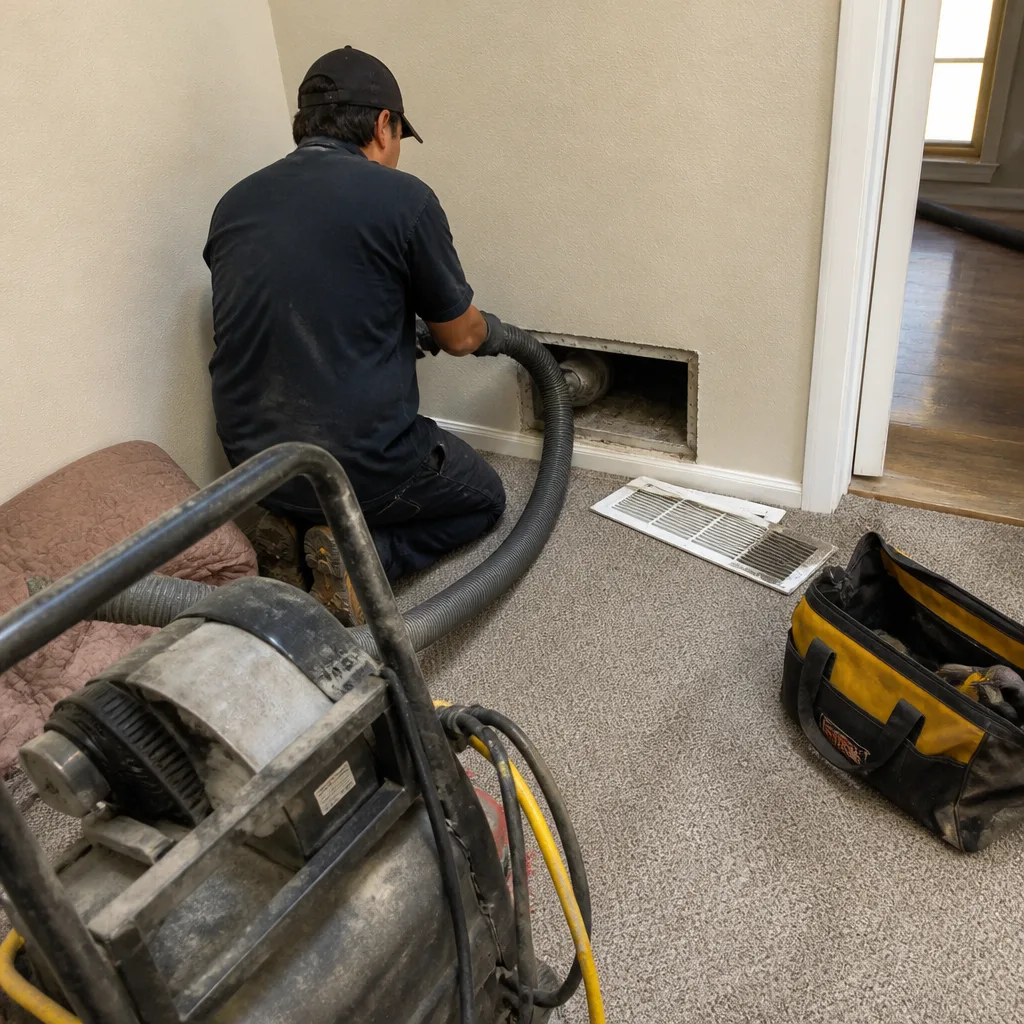 Before
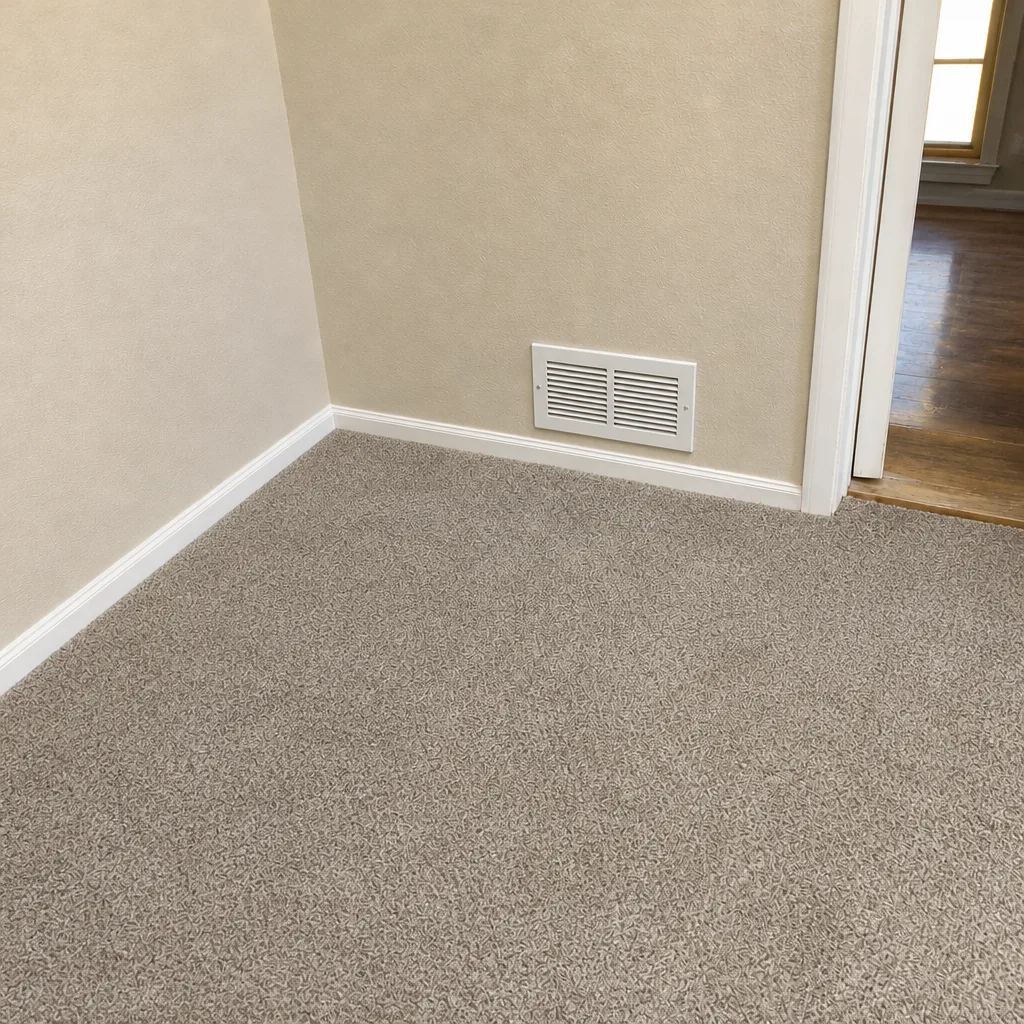 After
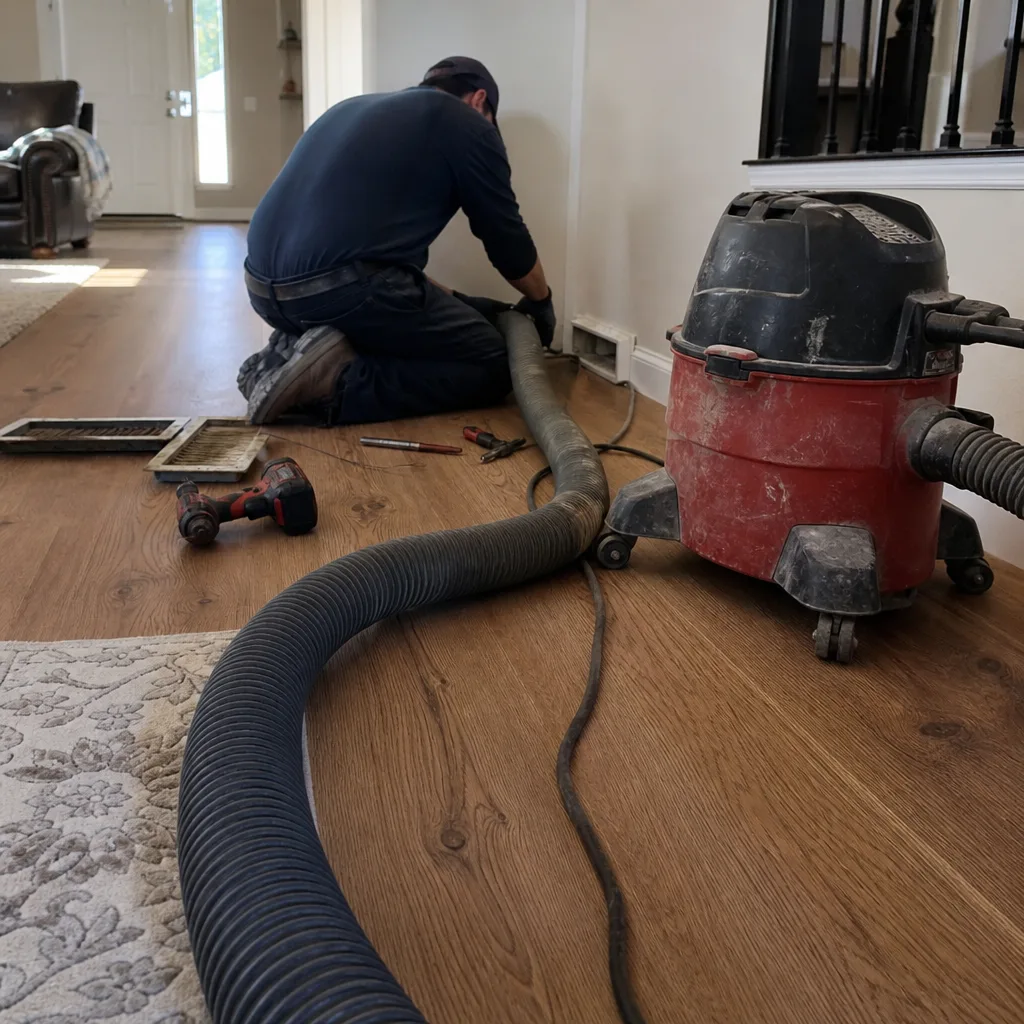 Before
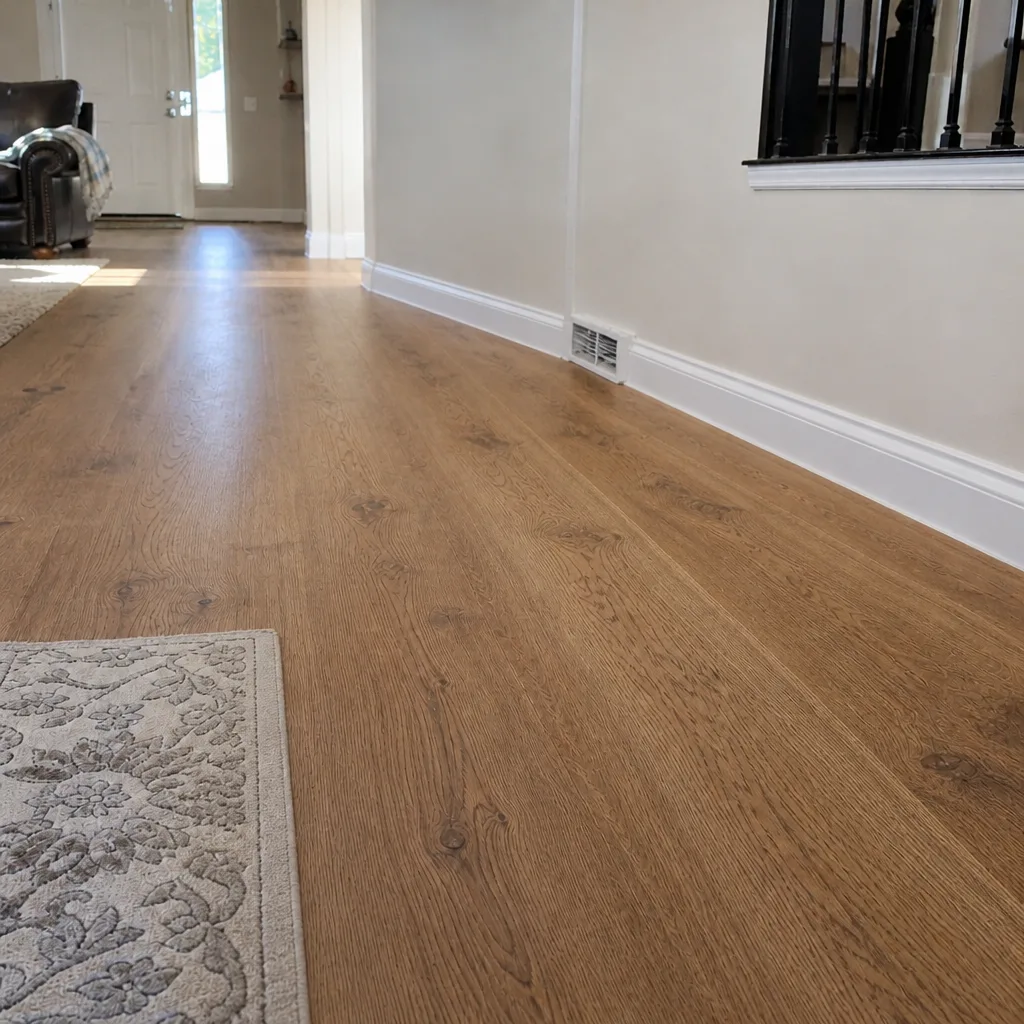 After
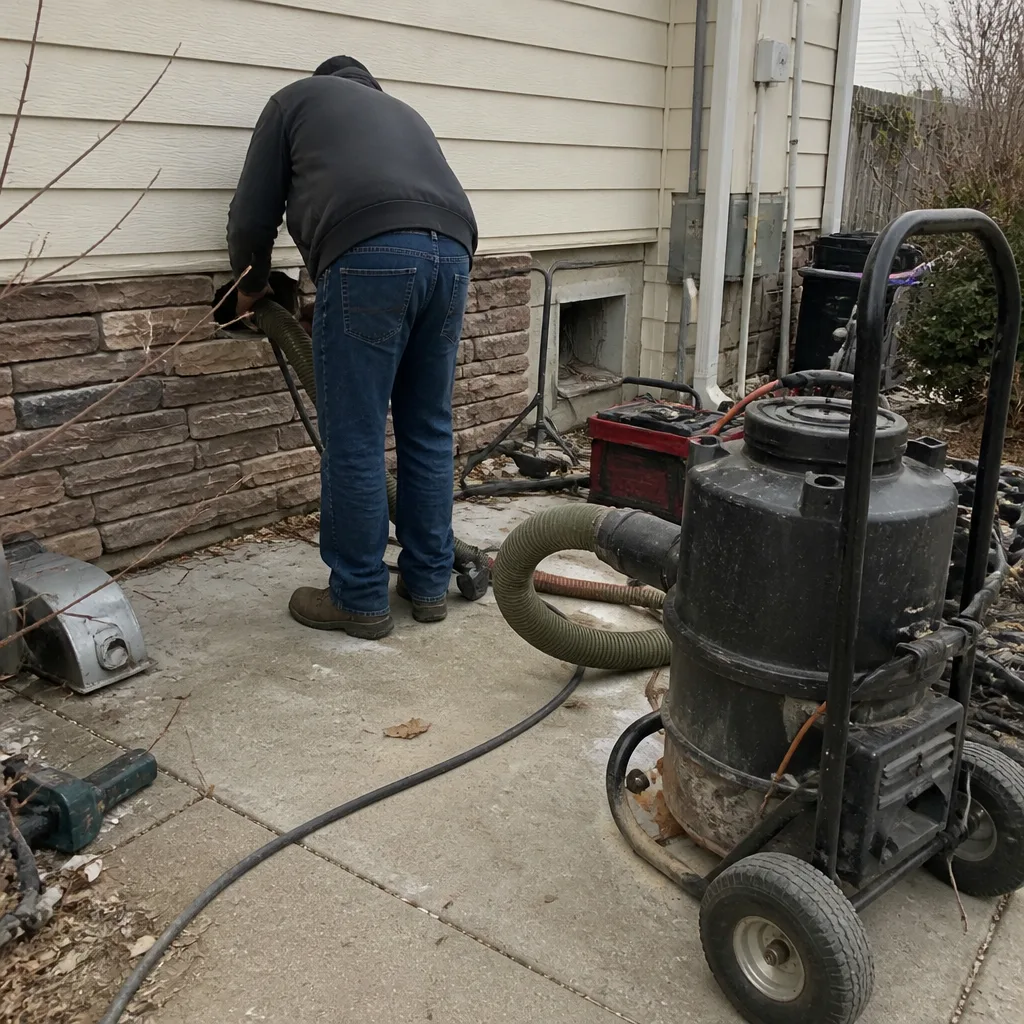 Before
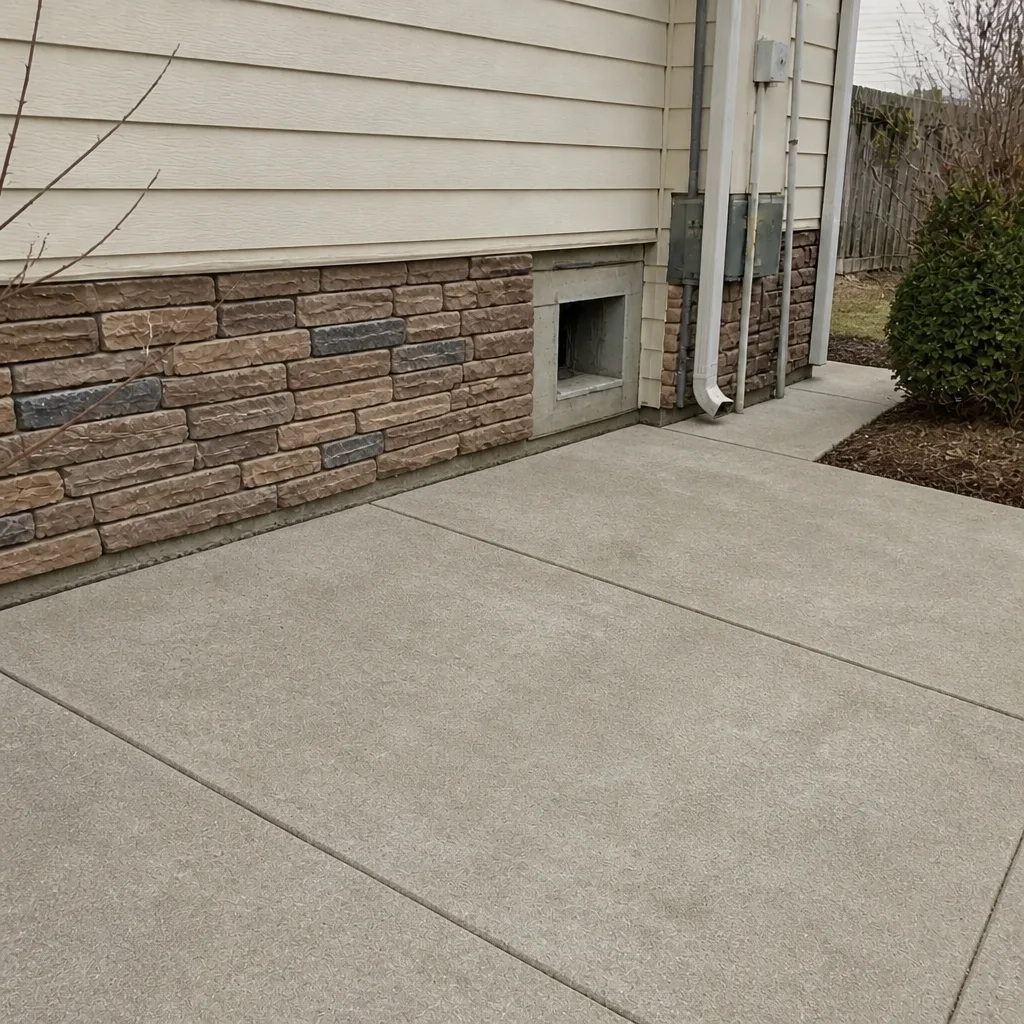 After
When to Call a Professional
Some duct problems are diagnostic questions you can answer yourself with a flashlight and your hand. Others need a trained eye on the system before more money gets spent. Call when one register is noticeably weaker than the others, when you see daylight or separated tape at a joint, when an attic smell is showing up in the living space, when the dryer takes longer than it used to, or when a previous cleaning didn’t solve the problem it was supposed to solve. Our technicians have up to 12 years of experience, and we scope the work per job with a written estimate before anything starts. Duct Cleaning Thornton offers free estimates in Thornton. Call (888) 495-2236. We answer 24/7. Fast dispatch from 7am to 7pm, Sunday through Friday.
Frequently Asked Questions
Air duct cleaning for a whole home is priced per job, not per vent, and the written estimate sets the final price before work starts. The cost depends on square footage, the number of registers and returns, and whether the system is a simple layout or a long flex run with multiple branches. You’ll get a flat price per system agreed up front, not a teaser number that changes once the technician is at the door. Call (888) 495-2236 for an exact quote. Estimates are free.
Cheap quotes usually reflect cheaper equipment and less time on the job. A portable vacuum or shop-vac can’t match the airflow of a Rotobrush rotary-brush system paired with a Nikro HEPA vacuum, and a crew working at that volume can’t spend the time on branch lines and returns that a proper job requires. The low number is real; it just doesn’t cover the same work. Ask what equipment will be used by name before you compare prices. Call (888) 495-2236 if you want that answer in plain terms.
Ask for before-and-after photos of the interior duct walls, taken at the same angle. Photos of the trunk, branch lines, and returns are the proof; photos of the register face aren’t. A crew that has the right equipment will have no trouble producing them. Call (888) 495-2236 and ask what the photos will show. Estimates are free.
Most homes don’t need an annual cleaning. The usual triggers are a recent renovation that sent drywall dust into the system, moving into a home with an unknown HVAC history, visible dust buildup on the registers, or someone in the household with allergy sensitivities that get worse indoors. Between cleanings, the dryer vent is the one to watch on a shorter cycle. If you can’t remember the last cleaning, call (888) 495-2236 for a free estimate and a look at the system.
The system likely has a breach, a skipped branch line, or a moisture source the last crew didn’t address. Run the hand-to-register test to check for airflow asymmetry, and look at the joints you can reach for daylight or separated tape. If you find either, the answer is repair, not another cleaning. Call (888) 495-2236 to get a trained eye on it. Estimates are free.
Yes, when the repair is one we find during the cleaning, like a disconnected flex run or a failed joint. Duct repair is a named part of our scope, so there’s no second contractor and no second appointment. Larger repairs may need their own visit, and the written estimate will tell you which one you’re looking at. Call (888) 495-2236 to talk it through.
The Bottom Line
Most duct complaints in Thornton are diagnostic problems, not cleaning problems. Dust that comes back, one room that stays dusty, a musty smell that lingers after a cleaning: each one is a clue pointing at a skipped branch, a breach, or a moisture source the last crew missed. The fix follows the clue. Test airflow with your hand, look at the joints with a flashlight, ask what equipment was used, and ask for interior photos. If the signs point to a breach, repair first. If it points to an incomplete job, do the cleaning with equipment that can actually reach every branch. Cleaning, repair, and dryer vent service can happen in a single visit, and the written estimate sets the price before anything starts. Call (888) 495-2236 for a free estimate.
Written by the team at Duct Cleaning Thornton.